T-Mobile Home Internet vs. Breezeline 2026
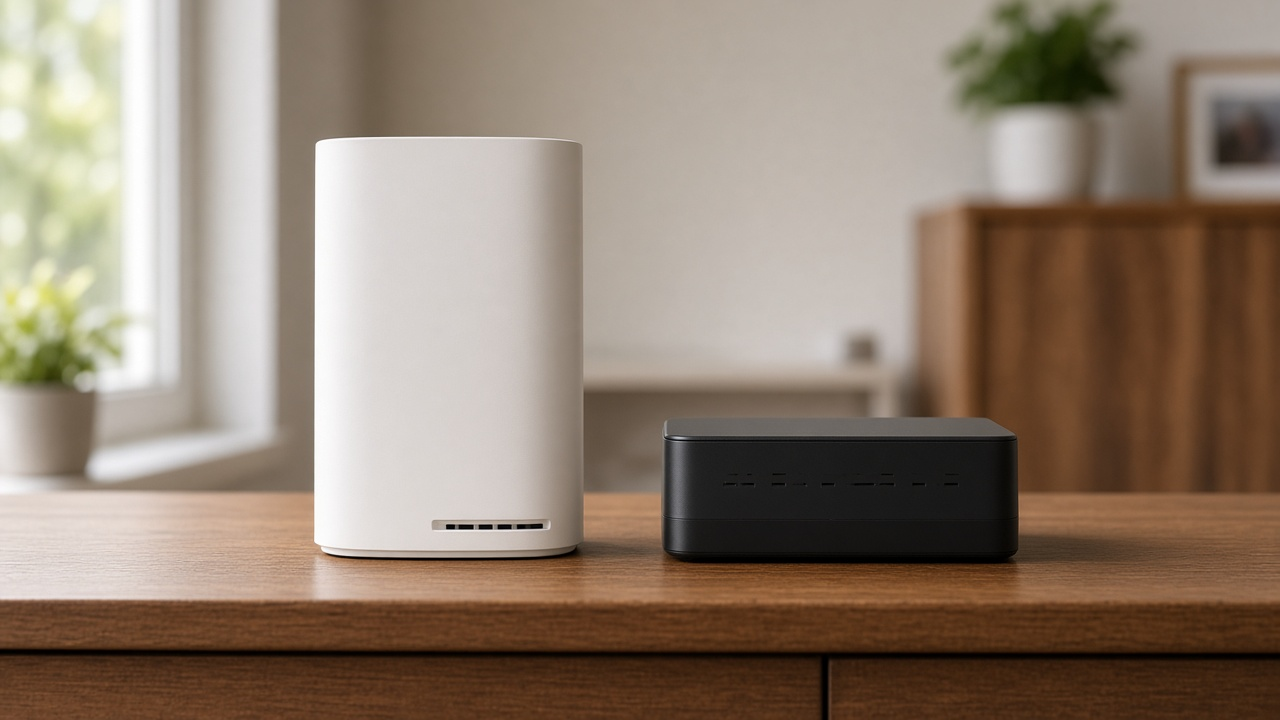
With more Americans working remotely, streaming content in 4K, and running smart devices throughout their homes, the demand for fast, reliable internet continues to climb. The market has responded with a wave of competitive options, including T-Mobile Home Internet and Breezeline—two providers offering distinct technologies and service models.
T-Mobile Home Internet operates on a fixed wireless platform, using 4G LTE and 5G mobile signals to deliver broadband speeds without relying on traditional cables. Breezeline, on the other hand, brings internet through established cable and fiber infrastructure, offering the kind of wired stability many households have come to depend on.
Choosing between them involves more than just comparing advertised speeds. Pricing structure, network reliability, regional availability, and the quality of customer support all play into the overall experience. In this breakdown, we’ll examine T-Mobile and Breezeline across four key metrics:
- Speed performance — real-world download/upload benchmarks and latency
- Pricing & fees — monthly rates, hidden costs, and contract terms
- Coverage — network reach and regional accessibility
- Customer service — satisfaction scores, support accessibility, and user experience
Ready to see how they stack up?
Evaluating Internet Speed and Performance: T-Mobile vs. Breezeline
T-Mobile Home Internet
T-Mobile Home Internet leverages its nationwide 5G and fallback 4G LTE networks to deliver broadband speeds wirelessly. In real-world scenarios, users report download speeds ranging from 33 Mbps to 182 Mbps. This variability stems from multiple factors: proximity to cell towers, device compatibility, network congestion, and building materials can all influence performance.
During off-peak hours in urban areas with strong 5G service, speeds frequently surpass 100 Mbps, supporting HD streaming, video conferencing, and cloud-based workflows. However, in suburban or rural locations where 5G coverage is limited or network saturation occurs, speeds can drop below 50 Mbps.
Breezeline Internet
Breezeline delivers internet through a mix of cable (DOCSIS) and fiber-optic infrastructure. In fiber-connected zones, subscribers can access symmetrical speeds up to 1 Gbps. The cable plans vary but commonly offer 100 Mbps, 200 Mbps, or 500 Mbps options, depending on local infrastructure.
Fiber customers benefit from consistent speed and ultra-low latency, especially during peak evening hours when cable networks might experience performance dips. Even on cable, Breezeline maintains solid bandwidth stability due to dedicated neighborhood nodes and advanced traffic management.
Performance Scenarios: Which One Delivers Better Speed?
- Streaming video: Breezeline’s higher-speed plans enable 4K content streaming on multiple devices simultaneously without buffering. T-Mobile users may encounter interruptions if network congestion reduces speeds below 25 Mbps.
- Remote work and video conferencing: When reliability is non-negotiable, Breezeline’s fiber or high-speed cable provides consistent upload speeds and minimal latency. T-Mobile may suffice in well-covered 5G zones but struggles under higher demand in shared households.
- Large downloads and cloud backups: Downloading gigabyte-sized files or syncing backups favors Breezeline fiber due to superior throughput. T-Mobile’s wireless design introduces greater fluctuation at scale.
In locations with dense and stable 5G coverage, T-Mobile can rival mid-tier cable speeds. But where fiber is available, Breezeline maintains a significant edge, especially for households with demanding or simultaneous online activities.
Pricing and Plans: How T-Mobile and Breezeline Stack Up
T-Mobile Home Internet: One Price, No Surprises
T-Mobile offers a straightforward pricing structure with a flat monthly rate of $50 with AutoPay. There are no added fees, no long-term contracts, and no equipment charges. Subscribers pay the same rate month after month—no temporary discounts or pricing cliffs.
That consistency eliminates ambiguity. The absence of promotional pricing means the bill remains the same even after a year of service. Consumers know exactly what to expect, and budgeting becomes easier.
Breezeline: Tiered Options with Promotional Offers
Breezeline’s pricing varies by speed tier. Entry-level plans start around $19.99 to $29.99 per month during the introductory period, which typically lasts 12 months. After the promotion expires, regular rates apply and can increase substantially—often into the $60–$100 per month range depending on speed.
The company offers several speed-based options, including 100 Mbps, 200 Mbps, 500 Mbps, and 1 Gbps. This structure gives customers a degree of flexibility, but also adds complexity. Monthly rates differ by location and may include separate fees for equipment or installation.
Comparison: Predictability vs. Flexibility
- Transparency: T-Mobile’s single-rate model removes uncertainty, while Breezeline introduces price variability after the first year.
- Affordability: Breezeline’s introductory rates appeal to budget-conscious subscribers in the short term, but long-term costs usually trend higher.
- Plan Variety: Breezeline offers multiple speed tiers to accommodate different bandwidth needs. T-Mobile uses one standard plan based on availability.
Do you prefer a single, predictable bill? T-Mobile delivers that. Need a budget option now—but don’t mind rate hikes later? Breezeline may offer a cheaper first-year entry point.
Unlimited Data Access: T-Mobile vs. Breezeline
T-Mobile Home Internet: No Caps, No Throttling
T-Mobile delivers a truly unlimited data experience—no strings attached. Subscribers can stream ultra-high-definition video content, game online for hours, or participate in heavy file transfers without crossing a data threshold. The service does not impose hard caps or throttle speeds based on monthly usage, regardless of how much bandwidth a household consumes.
Whether running constant background updates or syncing multiple smart home devices, the data flow remains consistent. This setup supports users who rely on dependable, high-throughput connections every day, especially in homes where multiple users stay connected simultaneously.
Breezeline: Generally Unlimited, Regionally Variable
Breezeline advertises unlimited data with most of its residential plans. However, regional practices vary. In certain service areas, customers have reported encountering soft data thresholds. Once those are exceeded, the provider may initiate usage monitoring or intervene through speed adjustments during peak hours.
Officially, Breezeline does not list firm data caps across their main packages, but it maintains the ability to track usage and manage network performance when congestion arises. Although most users never feel the effect, power users in specific ZIP codes might experience deviations.
Heavy Users: Who Takes the Advantage?
For users consuming significant data—4K streaming households, competitive gamers, remote workers moving massive files, or anyone running a Plex server—T-Mobile’s model provides higher bandwidth freedom without the ambiguity of thresholds. Its lack of throttling ensures performance doesn’t dip, even during times of intensive consumption.
Comparatively, Breezeline may suffice for average internet usage, especially in markets where their policies trend toward true unlimited access. But for households pushing the upper limits of consumption week after week, the predictability and openness of T-Mobile’s data policy removes guesswork.
- T-Mobile: Always-unlimited with no throttling based on usage
- Breezeline: Generally unlimited; area-specific policies may apply
Installation and Equipment: Setup Simplicity vs. Added Costs
T-Mobile: Fast Setup, No Extra Charges
T-Mobile Home Internet uses a 5G gateway device that functions as both a modem and router. This hardware arrives ready for action—just plug it in, follow a few in-app steps, and you're online within minutes. No technician appointments or drilling needed, which removes the need to schedule or wait for service visits.
T-Mobile does not charge for installation, nor does it impose rental fees for its equipment. The gateway is included in the service at no extra cost, which means no added monthly payments hidden behind fine print. Customers control their own timeline and set up at their own pace.
Breezeline: More Traditional, More Variables
Breezeline takes a hybrid approach, offering professional installation for those who need it, along with self-installation kits in select areas. The availability of the DIY option, however, depends entirely on location and local infrastructure support.
Customers who opt not to purchase their own modem and router pay a rental fee—typically $14.99 per month as of 2024. Over a year, that adds up to an extra $180, a cost that isn't always clear upfront when reviewing plan pricing.
Installation Experience: Head-to-Head
- Ease of Setup: T-Mobile’s gateway is engineered for simplicity. Breezeline’s setup can be quick, but hinges on equipment compatibility and whether the customer qualifies for self-installation.
- Equipment Fees: T-Mobile includes its hardware at no cost. Breezeline charges monthly for modem rental unless the customer supplies their own unit.
- Installation Options: Breezeline provides the flexibility of professional support, yet often requires it; T-Mobile eliminates that step entirely.
Consider the trade-off: Does the convenience of professional installation outweigh the recurring rental fee? Or does a plug-and-play setup without added costs align better with your priorities?
Coverage and Availability: Urban Reach vs Rural Expansion
T-Mobile’s Wireless Footprint
T-Mobile Home Internet runs on the provider’s expansive 5G and 4G LTE mobile network. This enables immediate national coverage across most of the continental U.S., reaching both metro areas and increasingly, remote zones. The company reported coverage of over 300 million people with its 5G network as of early 2024, and its Home Internet service is available to more than 50 million households.
Unlike providers reliant on cable lines or fiber optics, T-Mobile’s wireless model bypasses traditional infrastructure constraints. The result? Accessibility in places where DSL, cable, or fiber haven't reached — including many rural and suburban communities. Network expansion continues, particularly in underserved regions, through initiatives like its 5G expansion plan tied to its Sprint acquisition deal.
Breezeline’s Regional Infrastructure
Breezeline operates over physical infrastructure such as coaxial cable and fiber-optic lines, concentrating its availability in the Eastern United States. With current service in 13 states including Ohio, Pennsylvania, Maryland, and South Carolina, Breezeline’s coverage area remains comparatively limited.
Its fixed-line footprint restricts reach, especially in rural areas where laying new infrastructure involves high costs and lengthy deployment timelines. Although Breezeline has continued to announce expansion into new neighborhoods, most of its footprint remains clustered around urban and suburban corridors.
Which One Works Where You Live?
Choosing between T-Mobile Home Internet and Breezeline often comes down to location and building type. Do you live in a densely populated East Coast city? Breezeline could be an option. But if you’re in a less connected rural township or a newly built area without hardwired service, T-Mobile’s wireless model opens access with minimal setup required.
- Apartment complexes and urban homes: Likely within Breezeline’s infrastructure grid.
- Suburbs, townships, and areas lacking cable: More likely to have access to T-Mobile’s signal-based service.
- Mobile or temporary housing: T-Mobile provides greater flexibility with no need for hardwired connections.
Ask yourself: Does my address fall within Breezeline’s state-based footprint, or am I better served by a wireless solution? That answer will shape not just what’s available but how easily you can get connected.
Customer Service and Support: How T-Mobile and Breezeline Stack Up
T-Mobile Delivers Streamlined, Round-the-Clock Assistance
T-Mobile Home Internet customers gain access to 24/7 support channels, including chat in the T-Mobile app, web-based assistance, and traditional phone support. This multichannel approach eliminates bottlenecks and allows customers to choose how they engage with the support team.
Consumer feedback on T-Mobile's support experience consistently highlights fast setup assistance and easy troubleshooting. Reviews often praise short wait times and knowledgeable agents, especially during the initial hardware configuration stage.
Breezeline Support: Regional Inconsistencies Shape the Experience
Breezeline offers help through centralized call centers and an online chat system. Support hours vary slightly, with most telephone support teams operating between 8 AM and 6 PM across weekdays. In some regions, customer satisfaction correlates directly with how quick and responsive local teams are—support quality can fluctuate sharply depending on location.
Reviews of Breezeline’s customer care paint a mixed picture. Some users report efficient service resolution, while others cite delays in ticketing and inconsistent technician scheduling. These discrepancies often emerge in rural markets or areas that have recently transitioned from legacy providers like Atlantic Broadband.
Support Quality Side by Side
- Availability: T-Mobile’s round-the-clock availability edges out Breezeline’s traditional business-hour model.
- Channel Access: Both providers support phone and online chat, but T-Mobile integrates support more tightly within its mobile and desktop platforms.
- Customer Satisfaction: T-Mobile generally maintains higher average ratings in support experience. Breezeline’s performance varies more by geography.
Looking purely at speed of response and service consistency, T-Mobile leads. Breezeline’s support structure still relies heavily on regional operations, which introduces more variability in how issues get resolved.
Contract Requirements and Flexibility: Which Provider Gives You More Room to Move?
T-Mobile Home Internet: Month-to-Month, No Commitment Barrier
T-Mobile structures its home internet service with full flexibility at the forefront. There are no annual service contracts—subscriptions operate on a month-to-month basis. Users can cancel at any time without incurring penalties or fees.
New customers benefit from a 15-day risk-free trial. Within that window, if the service doesn’t meet expectations, it can be returned with a full refund. This frictionless entry and exit make T-Mobile particularly attractive to people in transitional phases—students, renters, or those in short-term housing situations.
Breezeline: Traditional Contracts, With Some Leeway
Breezeline generally ties its internet plans to a 12-month service agreement. Early termination fees (ETFs) apply when a customer cancels before the contract ends. These fees are tiered based on the remaining months of service, which can lead to potentially high exit costs.
However, there is some built-in flexibility. Customers who choose a self-installation option or opt out of promotional pricing may qualify for no-contract plans. These alternatives reduce commitment but often come at a higher monthly rate, as discounts are tied to term agreements.
Contract Flexibility: Tailored to Lifestyle and Mobility
For users who prioritize freedom and short-term adaptability—especially students, remote workers, or renters—T-Mobile surpasses Breezeline in contract flexibility. Its pay-as-you-go model and no-penalty exit allow users to start or stop service without consequence.
Breezeline’s structure, in contrast, favors long-term residents seeking rate stability through promotional pricing. Although contract-free pathways exist, they’re not the default and usually come with trade-offs in cost or speed tiers. The model works well for households planning to stay put for extended periods.
Reliability and Uptime: Fixed-Line Stability vs. Wireless Flexibility
T-Mobile Home Internet: Wireless Convenience, Variable Conditions
T-Mobile Home Internet runs on the company’s 5G and 4G LTE wireless infrastructure. This setup allows for broad and often easy-to-access service; however, signal reliability is directly tied to external elements. Users may notice fluctuations due to network congestion in densely populated areas or during peak usage hours. Weather patterns—such as storms, heavy snowfall, or even high winds—can also interfere with signal consistency.
Since the service isn't run through physical cables, there’s increased susceptibility to environmental and systemic interruptions. Users depending on uninterrupted access for activities like video conferencing or server hosting may experience inconsistent performance over longer periods.
Breezeline: Wired Backbone, Consistently Stable
Breezeline operates primarily on a hybrid fiber-coaxial (HFC) or full-fiber network, depending on location. This physical infrastructure grants it heightened signal reliability and a vastly reduced sensitivity to weather or interference. Uptime typically exceeds 99.9% monthly, aligning it with industry-leading benchmarks for residential broadband.
For users managing mission-critical workloads—such as remote professionals, small office operations, or households reliant on smart home ecosystems—Breezeline offers a more stable base of operations. Service interruptions are rare and usually linked to scheduled maintenance or localized outages.
How Do They Compare?
- Infrastructure: T-Mobile’s wireless network offers mobility and ease of deployment, yet trades off consistent stability. Breezeline’s wired architecture delivers tighter control and resistance to disruption.
- Uptime Guarantees: Breezeline meets commercial-grade standards with minimal downtime, while T-Mobile’s performance varies considerably based on location and traffic.
- Use Case Suitability: For casual browsing and streaming, both providers suffice; however, only Breezeline maintains the rigor needed for round-the-clock reliability.
Want reliability without compromise? Consider how you use the internet across your day—every Zoom call, cloud backup, or connected device depends on a stable signal. Which type of infrastructure better supports your routine?
Streaming and Gaming Experience: T-Mobile vs. Breezeline
T-Mobile Home Internet
T-Mobile Home Internet delivers download speeds typically ranging from 72 to 245 Mbps, making it fully capable of supporting HD and even 4K streaming on services like Netflix, Disney+, and YouTube. Users with moderate streaming habits won’t encounter buffering under normal network conditions. However, latency presents a different picture.
Average latency on T-Mobile’s 5G service hovers around 30–50 ms under optimal conditions, but it can spike higher depending on network congestion and signal strength. For casual gaming or solo sessions on cloud platforms like Xbox Cloud Gaming or NVIDIA GeForce Now, the experience remains acceptable. But in latency-sensitive scenarios—especially multiplayer competitive games like Valorant, Apex Legends, or Call of Duty Warzone—these fluctuations affect performance. Quick response times and low ping are less consistent, which can frustrate dedicated gamers.
Breezeline
Breezeline’s cable and fiber connections generate a markedly different entertainment experience. With download speeds available up to 1 Gbps and upload speeds far higher than a mobile solution, multi-device households experience smooth streaming across multiple 4K screens simultaneously.
Even with multiple streams, video calls, and online games running concurrently, Breezeline maintains stable throughput. More notably, its latency metrics average between 10–25 ms—ideal for online gaming, particularly in first-person shooters or real-time strategy games. Households with gamers and binge-watchers using several devices at once will notice fewer interruptions and lower input lag compared to mobile-based ISPs.
Which Service Performs Better for Entertainment?
For households where streaming movies and shows takes center stage, both services meet the baseline. T-Mobile’s fixed wireless access supports UHD content, and for light gamers or solo streamers, it will be enough. But as the number of devices increases and demands grow, it starts to lose ground.
Breezeline edges ahead with consistent bandwidth across peak hours, more stable upload speeds, and latency optimized for real-time applications. For competitive gamers, households with multiple screens running simultaneously, or users relying on cloud gaming platforms, Breezeline delivers a superior overall experience.
- Streaming performance: Both services handle 4K, but Breezeline allows multiple simultaneous streams effortlessly.
- Gaming performance: Breezeline offers lower latency, which ensures smoother gameplay and quicker response times.
- Household usage: Breezeline outperforms in environments with heavy usage and numerous connected devices.
Think about how many people stream or game in your home at once. Picture your typical Friday night—are several TVs on at the same time while someone else is fighting for survival in an online game? If the answer is yes, Breezeline has the network muscle to keep everything running smoothly without compromise.
Choosing Between T-Mobile Home Internet and Breezeline: Match the Service to Your Lifestyle
Evaluating T-Mobile Home Internet vs. Breezeline comes down to one question: how do you use the internet? Both services cater to distinct user types, and each delivers unique advantages depending on your priorities.
Key Differences That Matter
- T-Mobile delivers fixed wireless access that’s easy to install, designed to be mobile-friendly, and doesn’t require a technician or cable infrastructure. Monthly pricing remains flat, with no contracts, no hidden fees, and a nationwide footprint.
- Breezeline delivers coaxial and fiber-based wired internet with higher potential speeds and lower latency, tailored to bandwidth-heavy scenarios like multi-device households, UHD streaming, or competitive online gaming sessions.
Which Scenarios Fit Each Provider Best?
- T-Mobile suits smaller households where a few connected devices run typical applications—web browsing, HD streaming, and video calls. Renters and rural residents benefit from its no-install requirement, and the portability of service allows users to take it with them during a move.
- Breezeline supports large families juggling 4K streaming, cloud-based gaming, and remote work video conferencing simultaneously. Professionals working from home or gamers requiring sub-30ms latency will find Breezeline’s infrastructure more reliable for consistently high performance.
Make the Decision That Fits Your Context
Look at your current usage. Do you stream high-resolution content on multiple screens? Are you uploading large files daily? Is low latency for online gaming a top priority? Then Breezeline’s wired connection delivers the technical headroom for that digital lifestyle.
On the other hand, if you value simplicity, mobility, and cost control—with moderate usage habits—T-Mobile Home Internet offers an easy win. Especially where traditional broadband is unavailable or limited, it fills the connectivity gap effectively.
Budget, geography, and usage habits form the decision matrix. Stack your needs against the attributes of each provider, and the better choice will be obvious.