Starlink Internet Wisconsin 2026
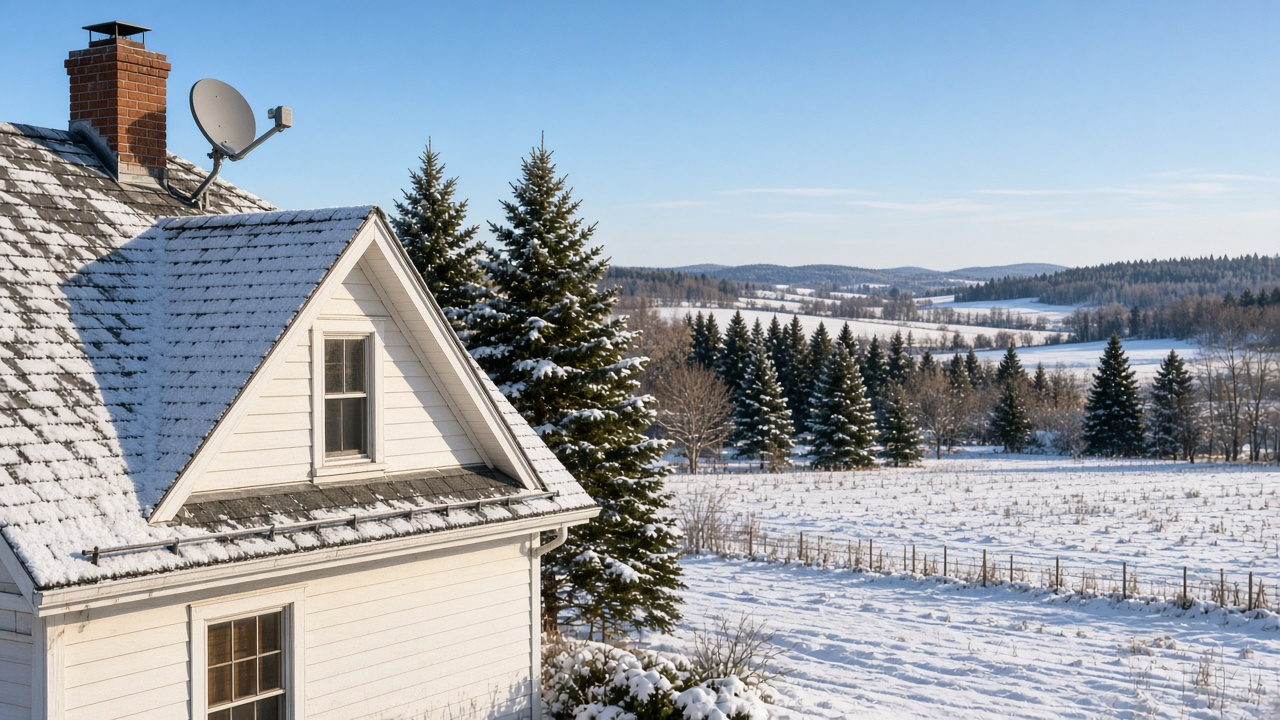
Across Wisconsin, from the rolling hills of Driftless Area to the remote forests of the Northwoods, demand for fast, reliable internet access continues to grow. Shifts in remote work, online education, precision agriculture, and digital healthcare have made consistent high-speed internet more than a convenience—it’s essential to daily life and economic stability.
Starlink, the satellite internet project developed by SpaceX, offers a new way forward. Unlike traditional satellite providers that rely on a few high-orbit satellites, Starlink operates using a dense network of Low Earth Orbit (LEO) satellites. This approach significantly reduces latency and increases broadband speeds, even in areas where fiber and cable have yet to reach.
Wisconsin’s mixed terrain—marked by dense forests, glacial landforms, rural farmland, and lakeshores—can disrupt line-of-sight requirements for terrestrial internet services. That’s where Starlink’s skyward infrastructure steps in, bypassing ground limitations with an expanding constellation engineered to deliver high-speed coverage statewide.
Starlink Availability Across Wisconsin in 2026
Where Starlink Is Currently Available
As of 2024, Starlink provides active coverage across most of Wisconsin, with service accessible in all 72 counties. Residents in cities like Milwaukee, Madison, Green Bay, and Kenosha report consistent connections, while rollout continues in more remote areas. High-demand zones such as Waukesha and Eau Claire reached full service status in mid-2023, and since then, availability has expanded monthly to neighboring regions.
According to SpaceX’s latest coverage update, all major urban centers in the state are within Starlink's active footprint. Bordering rural municipalities, including parts of Trempealeau, Iron, and Lafayette counties, shifted from “waitlist only” to “available” status in Q1 2024.
Expanding Beyond Wisconsin’s Urban Hubs
Initially centered around larger metropolitan clusters, Starlink's phased deployment strategy in Wisconsin moved methodically toward more rural and forested zones. As satellite density increased overhead — particularly after SpaceX’s Group 4 and Group 5 constellation launches — latency improved, allowing wider service qualification in areas previously designated as limited or pending. Townships in the northern forests and Driftless Area now report connectivity where fiber and cable infrastructure never reached.
Coverage stats published by the FCC Fixed Broadband Deployment Map show a marked increase in high-speed satellite coverage options in census blocks across Price, Bayfield, and Forest counties as of Q2 2024.
Interactive Availability Map for Wisconsin
Residents can check their specific eligibility using the official Starlink Availability Map. The map displays real-time service availability by ZIP code and offers registration for areas currently under network build-out. Each pin on the map updates dynamically based on satellite density, ground terminal backhaul readiness, and user capacity in each cell.
Users in densely populated areas will generally find immediate order capability, while those in remaining low-priority zones may receive estimated in-service dates or conditional pre-order options, depending on local coverage saturation.
How Starlink Determines Service Readiness
Starlink assesses service availability using geospatial location data tied to each service address. When a potential customer enters their location, the system evaluates satellite line-of-sight, demand load balancing, and infrastructure backlog to confirm availability. This process relies on data from SpaceX-operated satellites in low Earth orbit, which transfer bandwidth through proprietary inter-satellite laser links and ground stations located both in and out of the state.
- Addresses in clear, open-sky areas receive priority readiness due to unobstructed dish alignment.
- Waitlisted zones typically fall within cells where user thresholds have been temporarily capped.
- Network congestion near urban-rural boundaries may delay immediate activation in fringe localities.
As the satellite constellation expands, additional ground terminals and increased backhaul capacity allow faster service onboarding across Wisconsin zip codes by month’s end.
How Fast Is Starlink Internet in Wisconsin? A Close Look at Speed and Reliability
Typical Download and Upload Speeds in Wisconsin
Based on user data and recent speed tests, Starlink in Wisconsin delivers average download speeds ranging from 50 Mbps to 150 Mbps, with upload speeds typically between 10 Mbps and 20 Mbps. Ookla’s Q3 2023 report for the United States shows Starlink reaching median download speeds of 66.99 Mbps and upload speeds of 8.19 Mbps across rural counties, although some Wisconsin users in less obstructed areas have consistently reported speeds closer to 120 Mbps on clear days.
Factors That Influence Speed Performance
- Weather Conditions: Heavy snow, thunderstorms, and dense cloud cover can degrade signal quality since the network relies on a direct connection between the dish and low-Earth orbit satellites.
- Physical Obstructions: Trees, buildings, and hills can interrupt the line-of-sight needed for optimal performance. Speeds drop sharply when the dish experiences frequent signal interruptions.
- Network Congestion: During high-demand periods—especially evenings—latency can increase, and speeds may fluctuate as bandwidth is distributed across active users in the area.
How Starlink Compares to DSL, Cable, and Fiber in Wisconsin
DSL connections in rural Wisconsin generally max out around 10–25 Mbps downstream, often dipping far below that during peak hours. Cable providers like Spectrum may deliver speeds of 200–400 Mbps in suburban and urban zones, but their footprint in rural communities remains limited. Fiber services, such as those from AT&T or TDS, offer 1 Gbps symmetrical speeds but only in select municipalities and business districts. Starlink, with speeds over 100 Mbps in many rural zip codes, outperforms DSL and fixed wireless by a wide margin, and serves as the only high-speed alternative where cable or fiber aren’t available.
Documented Performance Benchmarks from Users and Third Parties
Data from Speedtest Intelligence (Ookla) and independent crowd-sourced tests from Wisconsin Starlink users in cities like Eau Claire, Wausau, and Monroe indicate median performance levels of:
- Download: 90–130 Mbps
- Upload: 12–19 Mbps
- Latency: 30–60 ms
Users in wide-open agricultural areas report the highest consistency, while those in forested northern counties like Vilas or Iron often experience intermittent drops unless using Starlink’s mesh network configurations. Detailed discussions on platforms such as Reddit’s r/Starlink and regional Facebook groups echo this performance range, backing up benchmark trends with first-hand feedback.
Starlink Internet Brings High-Speed Access to Rural Wisconsin
Connectivity Challenges Across Farmland, Forests, and Remote Zones
Large portions of Wisconsin remain underserved by traditional broadband providers. Dense woodlands in the north, sprawling dairy farms in the central region, and sparsely populated stretches in the southwest create a fractured infrastructure landscape. Fixed-line connections—fiber or cable—struggle in these regions due to high installation costs per mile and low customer density. Many rural households still rely on DSL or satellite systems plagued by latency and throttled speeds.
Even fixed wireless has limits. Trees, hills, and distance to the nearest tower cause signal degradation. In these isolated zones, cellular signals drop out, and last-mile connectivity seldom reaches beyond main highways. Residents in townships without municipal broadband options often contend with upload speeds below 5 Mbps and unpredictable disconnections.
How Starlink Solves Terrain and Distance Barriers
Starlink uses a constellation of low Earth orbit (LEO) satellites positioned approximately 550 kilometers above the ground. Unlike geostationary satellites hovering 35,786 kilometers away, LEO satellites provide stronger signal strength with reduced latency. Because the service does not rely on ground-based infrastructure, hills, dense pine canopies, and lakes do not hinder performance. This bypasses the repeated need for tower clearance, line-of-sight, or costly trenching projects.
Installations can be completed on barns, cabins in the woods, or hilltop homes—anywhere with a clear view of the sky. The ability to deliver broadband access without waiting for fiber rollouts or tolerating oversubscribed LTE networks transforms the digital accessibility of remote areas.
User Reports from Wisconsin’s Rural Counties
Residents in Vilas County report dramatic improvements. In Conover, where cell coverage flickers between one and two bars, Starlink users consistently log download speeds exceeding 90 Mbps. According to data shared in the Starlink user community, upload speeds in rural Iron County average between 15 and 20 Mbps, even in winter months.
In Lafayette County, where traditional broadband penetration remains below 55% according to FCC 477 data (Q3 2023), Starlink installations have expanded rapidly. Several farms near Darlington have transitioned away from satellite dish networks like Viasat due to consistent buffering and outages. Users now experience streaming in 4K without buffering and reliable VPN connections for telework.
- Vilas County: Forested zones with low tower density show reliable performance with Starlink.
- Iron County: Households report sub-50ms latency in remote towns like Pence and Upson.
- Lafayette County: Agriculture-heavy regions with limited DSL coverage experience full-service Starlink functionality.
Each of these counties demonstrates not hypothetical potential—but reliable, high-bandwidth connectivity already in use by families, farmers, and remote workers. When local ISPs tap out, Starlink steps in with service that reaches where fiber and fixed wireless won’t go.
Setting Up Starlink Internet in Wisconsin: Equipment and Installation Insight
What Comes in the Starlink Kit
Starlink ships a comprehensive starter kit that includes everything required to set up a functioning satellite internet connection. This kit contains:
- Dish (also known as Dishy McFlatface): A phased-array antenna that automatically aligns with Starlink's satellite constellation.
- Wi-Fi Router: A compact unit designed to broadcast the signal throughout your home or workspace.
- Power Supply: Integrated into the system, it powers both the dish and router through a single cable.
- Cables: A 75-foot or 100-foot proprietary Starlink cable connects the dish to the router, while a standard cord powers the system.
Everything arrives pre-configured. Unboxing and connecting the components requires no specialized skills or extra hardware from other vendors.
DIY Installation vs. Professional Help
Starlink is designed for self-installation, and most users in Wisconsin complete the process within 30 to 60 minutes. The Starlink mobile app, available for iOS and Android, provides real-time guidance through each installation step, including satellite finding through an augmented reality feature.
Quality of service, however, hinges on optimal dish placement. Homeowners uncomfortable with mounting hardware on a roof or drilling through external walls often turn to professional installation. Local third-party contractors typically offer mounting and cable-routing services, especially in northern regions where rooftop snow loads complicate access.
Maximizing Signal: Where to Place the Dish
Starlink requires an unobstructed view of the sky between 25 and 90 degrees above the horizon. Trees, chimneys, and nearby buildings can cause signal drops and brief service interruptions.
In practice, elevated areas such as rooftops, poles, or open yard spaces away from tree lines perform best. The app's "check for obstructions" feature calibrates this by drawing a 100-degree cone toward the northern sky, signaling any potential interference.
How Dish Orientation Aligns with Satellite Orbits
The placement of the Starlink dish isn’t arbitrary. It automatically points toward the northern sky in Wisconsin to align with satellites traveling in low Earth orbit (LEO) between 340 km and 550 km in altitude. These satellites move in a polar orbit pattern, passing over the same location multiple times per day.
Because of this orbital configuration, the dish must constantly track multiple satellites within range. The software-controlled motor inside the dish makes micro-adjustments throughout the day, ensuring persistent connectivity. Proper placement directly impacts its ability to establish these satellite handoffs, keeping signal latency and downtime to a minimum.
Starlink vs Traditional Internet Providers in Wisconsin
How Do Legacy ISPs Measure Up?
Wisconsin residents rely heavily on a blend of providers, including industry heavyweights like Comcast Xfinity, Spectrum, and Frontier Communications. Smaller regional players such as Baldwin LightStream and Reedsburg Utility Commission also serve select regions—primarily urban and suburban cores.
Each of these providers has established ground infrastructure, predominantly fiber-optic, coaxial, or DSL networks. In contrast, Starlink, operated by SpaceX, delivers service via a constellation of low-earth orbit satellites, bypassing cable infrastructure completely.
Speed, Reliability, and Cost Comparison
Pros and Cons: Satellite vs Cable/Fiber
No two internet technologies behave the same. Each offers real-world strengths and trade-offs, especially apparent across Wisconsin's diverse terrain.
Thinking about daily usage? A suburban resident within Spectrum coverage will hit higher speeds than Starlink offers. But five miles outside a town near the Driftless Area, those cable speeds drop to zero—and Starlink becomes the only real choice.
Breaking Down Starlink Internet Costs and Subscription Plans in Wisconsin
Current Pricing Tiers Tailored for Different Users
Starlink offers three distinct service plans in Wisconsin, each designed to serve a specific user group. As of early 2024, the Residential plan costs $120 per month, providing unlimited data with no throttling. This plan supports consistent internet access suitable for home use, including streaming, video conferencing, and smart devices.
For those constantly on the move, the Roam (formerly RV) plan is available at $150 per month. This option allows users to take their Starlink dish anywhere there’s coverage, though performance may vary based on network congestion and location.
Businesses operating in remote or underserved regions can subscribe to Starlink’s Business tier, priced at $250 monthly. This premium plan offers higher performance and priority network access, along with speeds reaching up to 220 Mbps and contention ratios lower than those of the residential plan.
Equipment and One-Time Costs
Regardless of the plan, customers must purchase the Starlink hardware upfront. The standard kit—which includes the phased-array dish, mounting tripod, and Wi-Fi router—comes with a one-time fee of $599 for residential and Roam users. Business customers require a high-performance dish, and this upgraded hardware costs $2,500.
Shipping and taxes add additional charges, typically around $50–$70 in Wisconsin locations. Professional installation is not mandatory, but those who prefer it can expect to pay an extra $150–$250, depending on local service provider fees.
Participation in Subsidy Programs
Some Wisconsin residents may qualify for the Affordable Connectivity Program (ACP), a federal initiative providing a monthly discount of up to $30 on internet bills. Eligible Starlink users can apply the ACP discount to reduce their monthly cost substantially, lowering the residential plan fee from $120 to $90.
Eligibility depends on income level or participation in other federal programs such as SNAP, Medicaid, or the National School Lunch Program. Starlink fully supports ACP enrollment and provides guidance through the application process.
Cost Implications for Emerging Service Areas
As Starlink expands into more remote and currently underserved areas of Wisconsin, pricing is expected to remain within the current tiers. However, in zones with higher infrastructure costs or limited satellite density, plan availability may be phased in gradually. New Starlink users in these areas may encounter a brief waitlist or conditional access labeled as “Best Effort,” with the same $120/month rate but variable performance depending on capacity.
Cost predictability remains one of Starlink’s strengths. No hidden overage fees exist, and all taxes and fees are disclosed upfront during checkout.
Starlink Internet vs. Wisconsin Winters: What to Expect
Snow, Ice, and Wind: Do They Disrupt Starlink Service?
Heavy snowfall, freezing rain, and strong lake-effect winds are part of life in Wisconsin from November through March. These elements can impact satellite internet, but Starlink has developed hardware and software solutions to minimize disruption. Direct snow accumulation on the dish can degrade service, but light snowfall or cloudy skies typically don’t reduce speed or connectivity. Wind, unless it physically shifts the dish alignment, has no measurable effect on signal quality.
Starlink’s network operates on low Earth orbit satellites, which sit at altitudes around 550 km, far beneath geostationary satellites (~35,786 km). This shorter distance reduces signal delay and limits the likelihood of weather-induced attenuation at the atmospheric level.
Heated Dishes and Autonomous Weather Adaptation
Starlink dishes shipped since early 2021 come with a phased-array antenna and integrated snow-melting capabilities. The surface includes built-in heating, which activates automatically when sensors detect snow accumulation or low temperatures. Users can also enable the “snow melt” feature manually in the Starlink app.
This frost and snow-melting system effectively prevents ice buildup that could block signals. Tests conducted by users in Iron County and Vilas County show uninterrupted service even during back-to-back snowstorms exceeding 12 inches of accumulation over a 48-hour period.
Uptime Reports from Wisconsin Users During Winter Months
- Green Bay: A December–February user log from east De Pere showed sustained average speeds of 90 Mbps with less than 2% downtime over 90 days, mainly related to snow directly covering the dish before melting initiated.
- Rice Lake: Users in Barron County documented over 95% uptime during January 2024 despite subzero temperatures and blizzard conditions.
- Driftless Area:Feedback from rural households in Vernon County highlighted short outages during ice storms, averaging 5–7 minutes, typically when moisture froze on the dish faster than the heater could respond.
Weatherproofing Tips and LEO Satellite Reliability
Proper mounting and dish placement drastically improve winter reliability. Positioning the dish away from roof edges or near trees reduces both snow slide interference and blocked lines of sight. Some Wisconsin users elevate their dishes 4–6 feet off the ground using heated poles or install covers such as synthetic mesh domes, which still allow clear sky access.
Unlike traditional geostationary satellites, Starlink’s satellites move constantly across the sky. This dynamic network involves thousands of small satellites working in orchestration, supported by mesh routing protocols that allow instant rerouting if a node underperforms due to interference. The constellation's redundancy ensures Wisconsin users experience minimal disruption during regional storms or localized outages.
What Wisconsin Users Really Think About Starlink Internet
Firsthand Experiences from Every Corner of the State
Feedback from Starlink users across Wisconsin paints a mixed, but informative picture. Online platforms like Reddit, local Wisconsin Facebook groups, r/Starlink, and Google reviews host countless firsthand accounts that detail lived experience—from setup through daily usage. These reviews help clarify how well the service meets expectations in diverse environments, from the rolling fields of Green County to the heavily forested stretches of Vilas County.
What Users Appreciate Most
- Low Latency: Gamers and video call users repeatedly mention latency improvements. Average latency hovers around 25–50 ms in Wisconsin, which outperforms many DSL options in rural zip codes.
- Quick and Intuitive Setup: Setup from unboxing to activation often takes less than 30 minutes. “It was like plug-and-play—no technician required,” wrote one user near Wausau.
- Remote Access: Multiple reviews from users in Forest, Oneida, and Ashland counties highlight newfound ability to work from home or stream content without relying on cellular tethering or slow DSL.
Common Complaints and Frustrations
- Network Congestion: Review threads from southern Wisconsin, especially suburbs of Madison and Milwaukee, mention slower speeds during peak hours. Downward speed fluctuations—from 200 Mbps midday to under 30 Mbps in the evening—surface frequently in densely populated pockets.
- Momentary Buffering: Streamers and YouTubers describe momentary buffering episodes, especially when weather disrupts line of sight or snow covers the dish.
- Customer Support Delays: Several users cite long wait times for tech support. “Took over a week to get a response when my dish lost calibration,” posted a reviewer from Door County.
What Remote Workers and Gamers Are Saying
Jeremy H., a software engineer telecommuting from Washburn, reported reliable 170 Mbps download speeds and steady video conferencing performance on Zoom and Microsoft Teams. “Before Starlink, I drove to a library parking lot to upload builds,” he wrote.
In Appleton, Twitch streamer Laura M. shared that although Starlink supported her weekday streams, weekend performance occasionally forced her to downgrade resolution. “Still better than my old 10 Mbps cable line,” she noted.
Notable Differences in Regional Satisfaction
Users in northern Wisconsin, particularly those living beyond the reach of cable or fiber internet, typically rate the service more favorably. In Price County, customers consistently report 100–200 Mbps with minimal disruptions, even in snowy conditions.
Southern Wisconsin users express more mixed opinions. With existing access to high-speed cable and fiber, expectations are higher. Suburban users do experience congestion during primetime hours—particularly in rapidly growing areas like Fitchburg and Sun Prairie.
Still, households transitioning from satellite providers like HughesNet or Viasat echo the same sentiment: “It’s a night-and-day difference.”
Empowering Remote Work and Education with Starlink Internet in Wisconsin
Opening Remote Work Opportunities in Underserved Regions
In rural areas of Wisconsin like Vernon County and Iron County, Starlink has flipped the script on employment prospects. Access to stable, high-speed internet has enabled residents to participate in remote jobs they were previously excluded from. Roles in software development, telemedicine support, customer service, and marketing no longer require relocation to urban hubs. Companies hiring remote workers across the nation now include individuals living in towns that once had sub-10 Mbps download speeds. With Starlink, download speeds typically ranging from 50 to 200 Mbps and upload speeds averaging 10 to 20 Mbps, tasks like large file transfers, high-definition video conferencing, and real-time collaboration move from impossible to seamless.
Enhancing Online Learning for Wisconsin’s Students
Students in school districts spanning from Bayfield to Richland are logging onto virtual classrooms without disruptions. Starlink’s low-latency satellite network—often delivering ping times between 20 and 40 milliseconds—enables real-time engagement with instructors and peers. Video sessions on platforms like Zoom and Google Meet run without pixelation or lag. Assignments previously inaccessible due to poor connectivity—such as streaming educational content, accessing cloud services like Google Classroom, or running simulation software—can now be completed from home without compromise.
Reducing the Digital Divide in Rural Communities
In counties like Lafayette and Forest, Starlink has narrowed the internet disparity between urban and rural households. This improved connectivity reduces economic exclusion by supporting small remote businesses, facilitating adult education programs, and enabling teleconsultations in healthcare—all previously hindered by bandwidth constraints. With consistent access, residents engage in job training sessions, enroll in online degree programs, or operate e-commerce storefronts from locations once sidelined in the digital economy.
Seamless Integration with High-Bandwidth Collaboration Tools
Whether you’re joining a 20-person Zoom strategy call, hosting a live webinar, or working on shared files in real-time via Google Drive, Starlink handles bandwidth-heavy tasks consistently. Rural professionals in Wisconsin using Microsoft Teams, Slack video calls, and browser-based platforms like Figma and Miro report fluid communication and instant loading times. The network stability eliminates the need to drive into town for basic connectivity, enabling uninterrupted careers and coursework from any corner of the state.
Is Starlink the Right Fit for Internet Users in Wisconsin?
Evaluating the Tradeoffs
Starlink delivers a strong mix of high-speed connectivity and broad coverage across Wisconsin, particularly in rural and underserved areas. Users in remote counties like Burnett, Iron, and Forest see significant gains in speed and reliability compared to DSL or fixed wireless. Speeds routinely range between 50 to 250 Mbps down, depending on network congestion and satellite positioning, with upload speeds between 10 to 20 Mbps. Latency stays around 30 to 50 milliseconds — not fiber-fast, but usable for video conferencing and online gaming.
However, interruptions during severe snowstorms and higher monthly costs compared to local cable providers can’t be overlooked. The upfront equipment price, currently priced at $599 as of 2024 for residential kits, may deter light users or price-conscious households. Urban and suburban users with access to fiber or cable may not find Starlink cost-effective.
Who Benefits Most?
- Farmers and Rural Households: In regions with no reliable cable infrastructure, Starlink bridges the digital divide. Large farms benefit from streaming ag-tech platforms, drone mapping, and more dependable access to online marketplaces.
- Remote Workers and Digital Nomads: Stable upload speeds and usable latency make Starlink a practical choice for Zoom calls, client uploads, and cloud connectivity without tethering to a phone hotspot.
- Gamers: Competitive multi-player titles may reveal some latency variance, but casual and mid-tier gaming performs well during off-peak hours.
- Families in Connectivity Gaps: For homeschooling, streaming on multiple devices, or tracking assignments on school portals, Starlink supports simultaneous use when properly placed and configured.
When to Sign Up?
Starlink capacity in Wisconsin toggles between 'Available' and 'Waitlist' depending on the constellation's overhead density. According to the Starlink availability map (official as of June 2024), counties like Sawyer, Washburn, and Waushara remain in active expansion targets. The best time to secure a spot falls shortly after network launches or public capacity increases — typically reflected in quarterly SN9 and SN10 satellite batch deployments.
Take Action
- Check Your Coverage: Use the Starlink availability checker to confirm service in your ZIP code.
- Get Local Updates: Subscribe to our newsletter and stay informed on broadband trends and new Starlink zones in Wisconsin.
- Join the Conversation: Scroll down and leave a comment — how’s your Starlink performance? Your insight helps neighbors decide.