Starlink Internet Vermont 2026

Tucked amidst the Green Mountains, many rural Vermont communities still navigate the frustrations of limited broadband access. The state's mountainous terrain and low population density create logistical and financial obstacles for traditional internet providers, leaving residents with sluggish speeds or no connection at all. For families, businesses, and students alike, the inability to access fast, reliable internet disrupts daily life, from remote work and online education to telehealth services and digital commerce.

Starlink, the satellite internet initiative launched by SpaceX, enters this picture with a game-changing promise: to deliver high-speed, low-latency internet directly from orbit, bypassing the need for ground-based infrastructure. With thousands of satellites operating in low Earth orbit, Starlink aims to connect even the most isolated regions of Vermont to the digital world. How well does it deliver on that promise? And what does it mean for communities long overlooked by legacy providers?

Expanding Horizons: Satellite Internet Coverage in Vermont

How Starlink’s Low-Earth Orbit Satellites Operate

Starlink's satellite network uses low-Earth orbit (LEO) satellites, unlike traditional geostationary satellites that orbit at about 35,786 km above Earth. Starlink satellites orbit at altitudes between 340 km and 1,200 km. This proximity reduces latency significantly—dropping it from the typical 600 milliseconds of traditional satellite internet down to 20–40 milliseconds, often outperforming DSL in rural zones.

The system relies on a dense mesh of satellites linked together via laser communication. As of Q2 2024, SpaceX has launched over 5,000 Starlink satellites, with continuous additions every month. Each satellite serves as a node, automatically routing data packets through the fastest available path. This design ensures fast response times and higher data throughput, which are pivotal for real-time applications like video conferencing, gaming, and cloud-based services.

Current Starlink Coverage in Vermont

Vermont’s coverage has expanded steadily since Starlink began beta testing in late 2020. Based on the Starlink Availability Map as of June 2024, full service covers nearly all of Vermont’s counties, including:

Use Starlink’s service map to identify real-time deployment by ZIP code. The map updates monthly and reflects recent satellite launches and new beam activations.

Underserved and Developing Areas

Not every pocket of Vermont enjoys robust connectivity just yet. Heavily forested regions in Essex County and isolated homesteads near the Canadian border occasionally experience reliability fluctuations. These gaps stem from natural obstructions and slower dish activation due to line-of-sight limitations, especially in deep valleys.

However, the constellation's adaptive routing and the introduction of next-gen phased array terminals are beginning to close these coverage gaps. SpaceX targets full saturation of all Vermont households—including the most inaccessible locations—by end of Q1 2025.

Still waiting for activation in your region? Check your service transfer status or pre-order priority using your Starlink account and verify ground station calibration schedules near Northern Vermont.

Starlink Internet in Vermont: Who Can Get It and When?

Regional Availability Across Vermont

Starlink coverage in Vermont varies significantly depending on geography. In the northern counties—such as Franklin, Orleans, and Essex—availability remains largely open, especially in rural zones. Towns like Richford and Island Pond fall under active service areas, and new sign-ups there typically get kits shipped within two to four weeks.

In contrast, southern Vermont tells a different story. Areas near Brattleboro, Bennington, and Manchester, particularly neighborhoods with higher population density, face limited availability due to beam congestion. As of Q2 2024, multiple zip codes in Windham and Bennington counties fall under the waitlist category.

Urban-adjacent towns like Montpelier and Barre show partial availability depending on specific coverage cells. Customers within active Starlink cells can order directly, while those on the fringes are placed in the reservation queue.

Understanding the Waitlist System

Starlink uses a beam-specific capacity model. Each satellite beam can service a finite number of users simultaneously. When capacity is reached in a given beam—often in high-demand zones like southern Vermont or suburban Burlington—new orders are diverted to a waitlist. These customers can't activate service until additional capacity becomes available via satellite expansion or user turnover.

Unlike traditional ISPs, this waitlist operates on a first-reserved, first-served basis, managed through Starlink’s website. No local retailers offer priority sign-up access. Waitlist status updates are communicated via email once timelines shift or availability changes. In some cases, availability opens earlier than projected due to network optimization or cancellations.

How to Reserve Starlink in a Waitlisted Zone

Interested residents can secure their place in line directly through the official Starlink website. The current reservation fee stands at $99, which is fully refundable. This deposit gives priority access once capacity opens in that service area.

Estimated wait times vary. In congested beams within southern Vermont, projected activation ranges from 6 to 12 months based on current network load and projected subscriber turnover. In contrast, customers in less congested rural zones typically receive hardware shipments within 2 to 6 weeks.

With ongoing satellite launches and network optimization, Starlink continues to open up new capacity each quarter. Prospective users in Vermont’s restricted areas are already seeing availability shift in real time as network expansion proceeds into 2024.

Starlink Internet Speeds and Performance in Vermont

Typical Download, Upload, and Latency Metrics in Vermont

Starlink delivers variable speeds in Vermont, depending on factors like network congestion, positioning of the dish, and environmental conditions. Data collected from Ookla’s Speedtest Intelligence in Q4 2023 reports average download speeds in Vermont between 53 Mbps and 137 Mbps. Upload speeds generally fall within the 9 Mbps to 18 Mbps range.

Latency, a key metric for gamers and video callers, has remained relatively stable. Most users report latency between 30 ms and 70 ms, with averages rarely climbing higher except during peak usage windows. While this doesn’t match the performance of fiber-optic infrastructure, it’s a significant leap ahead of many legacy systems in Vermont’s hinterlands.

Comparison to Rural DSL and LTE Alternatives

Across many parts of rural Vermont, DSL remains the default service. However, its performance continues to lag. According to the FCC’s Fixed Broadband Deployment data, average DSL download speeds in Vermont hover around 10 Mbps to 25 Mbps, often with upload speeds under 2 Mbps. Latency typically exceeds 100 ms, especially in older copper line systems.

LTE-based home internet, primarily offered by Verizon or T-Mobile in rural zip codes, presents slightly better speeds—typically in the range of 25 Mbps to 50 Mbps download. However, it often comes with data caps and throttling. Latency can fluctuate widely, often around 50 ms to 150 ms.

User Expectations vs. Real-World Performance

Starlink advertises download speeds up to 220 Mbps, with users across the U.S. sometimes hitting that upper limit. In practice, Vermont users typically see lower—not disappointing—results. Several forum reports from residents in Caledonia and Windham counties have cited consistent performance in the 80–120 Mbps range, even with light rain or snowfall.

However, users expecting fiber-like performance during peak hours may need to adjust their expectations. Network slowdowns occur between 6 PM and 10 PM, when traffic spikes. Still, even at lower speed ranges, Starlink supports HD streaming, multiple device usage, and video conferencing without significant buffering.

Want to hear how your neighbors in Rutland or Lamoille County are performing with Starlink? Online communities have started benchmarking weekly results to compare setups—dish location, height, upgrades—and find realistic optimization strategies tailored for Vermont’s terrain.

Installing Starlink in Rural Vermont

Step-by-Step Overview of the Starlink Installation Process

Setting up Starlink in Vermont's rural towns doesn't require a professional technician. Most customers complete the installation themselves in under a day. Here's what the process looks like:

Required Satellite Equipment

Each Starlink kit comes pre-packaged with the core components needed for installation:

Tips for Optimal Self-Installation

Vermont's mix of dense forests, mountains, and variable weather poses challenges. However, thoughtful planning yields strong, stable connections:

Once installed and aligned correctly, the system will handle the rest. Users in Windsor County and Addison County have reported stable uptime after careful consideration of placement.

Starlink vs. Traditional Vermont ISPs: Which Delivers Better Results?

Performance Comparison: Speed, Uptime, and Latency

Analyzing performance metrics reveals clear distinctions between Starlink and legacy providers in Vermont. Starlink users have reported download speeds ranging from 25 Mbps to over 220 Mbps, depending on network congestion and satellite coverage. According to Ookla's Q4 2023 Fixed Broadband Performance report, Starlink’s median download speed in the United States stood at 97.38 Mbps, with median upload speeds of 11.32 Mbps and latency averaging 62 ms.

In contrast, DSL services from providers like Consolidated Communications typically offer 1 to 15 Mbps depending on proximity to the central office. Cable providers such as Xfinity or Spectrum can match or exceed Starlink’s speeds in urban centers, but their reach in mountainous towns like Gilman or Granville is limited. Fiber, where available from EC Fiber and VTel, delivers symmetrical speeds up to 1 Gbps with latency under 10 ms, but rural expansion remains slow and labor-intensive.

Customer Support and Installation Experience

Traditional ISPs follow a model of technician visits, scheduled installations, and tiered support services. While broadband companies like Xfinity regularly offer live chat and phone-line support, wait times during outages can stretch beyond an hour. Installation timeframes for DSL and cable vary from five to ten business days, and fiber deployments may take weeks or require pre-approval from local utilities.

Starlink follows a direct-to-consumer model. Once the kit arrives—typically within two to three weeks of order confirmation—setup takes under an hour. The mobile app automates dish alignment and signal optimization. For most users, support is handled through a ticket-based system within the app. While some users report improved turnaround times, others note delays resolving hardware faults, especially during peak onboarding periods.

Coverage and Reach into Remote Regions

Legacy ISPs’ infrastructure thins rapidly beyond Route 100 or up in the Northeast Kingdom. Fiber trenching is expensive in frost-prone soil and mountain terrain, and coaxial lines often degrade in reliability the farther a premise is from the node. For example, in Orleans County, fewer than 40% of households had access to internet speeds of 100 Mbps or higher as of 2022, based on FCC Form 477 data.

Starlink bypasses these limitations entirely. With low Earth orbit satellites and phased-array technology, it covers forest-lined ridgelines, ski valley homes, and dispersed farmsteads with no reliance on physical ground infrastructure. This universal reach makes it especially appealing for towns like Bloomfield or Topsham, where traditional rollouts face budget and logistical constraints.

When Starlink Outperforms: Practical Use Cases

In scenarios where resilience, portability, and reliable bandwidth are priorities and fiber remains years away, Starlink consistently demonstrates measurable advantages over legacy Vermont ISPs.

Starlink Internet Subscription and Pricing Plans in Vermont

Residential, Mobile, and Business Options

Starlink separates its offerings into three primary plans tailored to different use cases. In Vermont, each plan comes with distinct pricing tiers and service characteristics designed to match user needs, whether stationary or on the move.

One-Time Equipment Costs

All users must purchase the Starlink Kit, which includes a phased-array dish, Wi-Fi router, cables, and mounting hardware. The standard equipment cost across all plans is $599. For business customers, SpaceX offers a high-performance dish at $2,500, engineered to deliver greater reliability and weather resilience.

Comparing Starlink Pricing with Vermont ISPs

In Vermont, internet costs and quality vary significantly by availability and geography. Here's how Starlink's pricing aligns with traditional providers:

Starlink sits at the higher end of the pricing spectrum but delivers far greater coverage consistency in areas where wired or tower-based solutions fall short. Monthly fees remain flat, with no data caps or long-term contracts, positioning Starlink as a viable alternative in coverage-challenged parts of the state.

What You Need to Get Connected: Starlink Equipment and Setup in Vermont

Included in the Starlink Hardware Kit

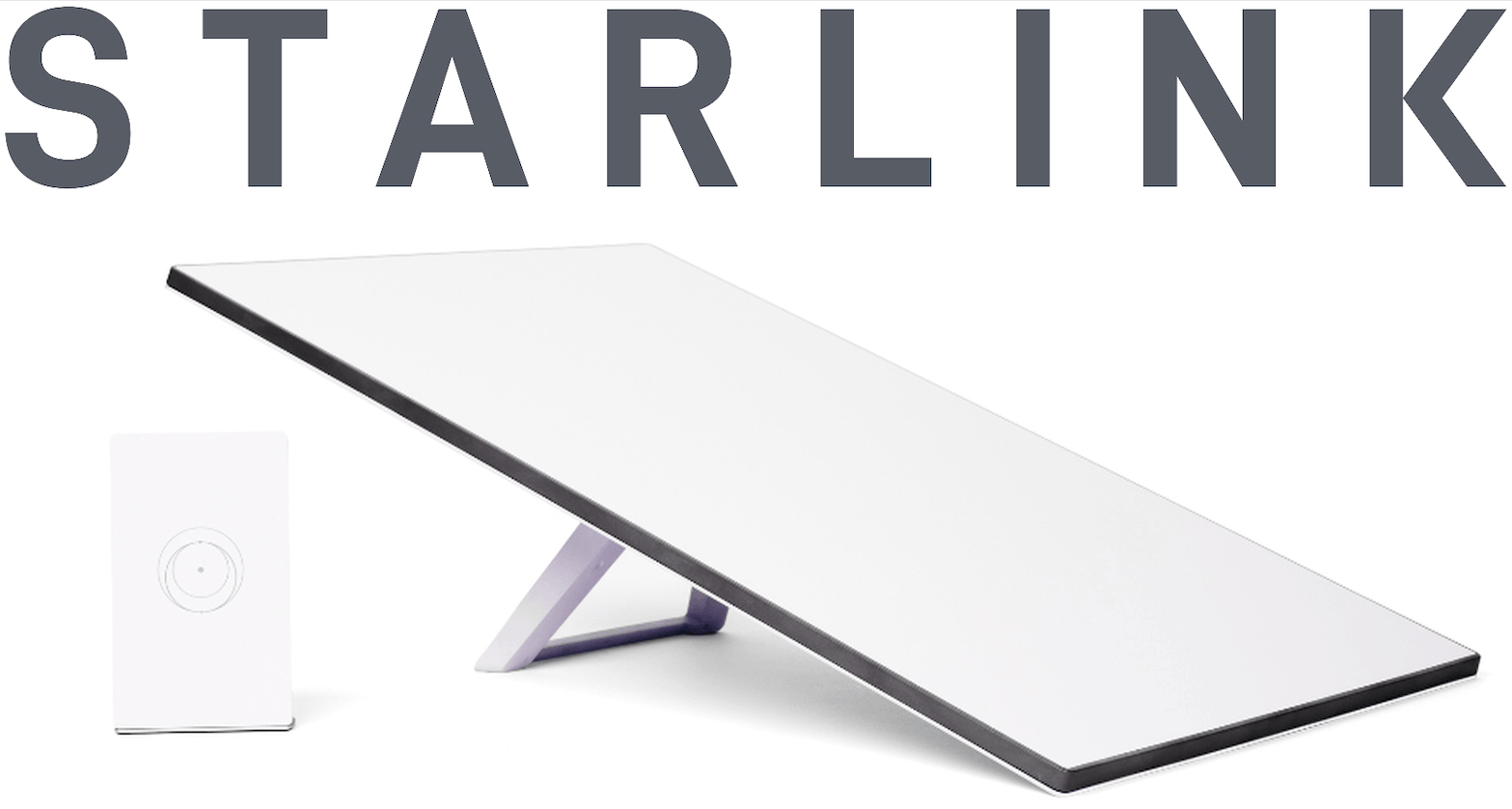
The Starlink standard kit arrives with everything needed for a basic residential installation. Each shipment contains the phased-array Starlink dish (known as "Dishy"), a mounting tripod, a Wi-Fi router, and a 75-foot cable to connect the dish to the router. In its current design iteration, the router supports dual-band 2.4GHz and 5GHz frequencies, enabling coverage across multi-level homes and larger structures.

The Dishy is motorized and comes pre-configured to automatically align with satellites overhead. Setup takes roughly 10 to 15 minutes from unboxing to connectivity, assuming an unobstructed view of the sky is available. All firmware updates are handled over-the-air, with no user intervention required.

Power and Mounting Requirements

This system requires a standard 100-240V AC power outlet. The combined power usage for the dish and router ranges between 50 to 100 watts during regular operation—comparable to a mid-sized LED television. Peak usage may occur during startup and alignment.

Starlink provides a basic ground mount, but Vermont installations often demand custom setups. The terrain and tree cover make roof mounts or pole installations much more effective. Optional accessories like the Volcano Mount or Pivot Mount improve elevation and stability. Cable extensions are available for distances beyond 75 feet between the dish and router, though each extension adds signal loss.

Pro Tips for Successful Setup in Homes, Cabins, or Barns

Privacy Policy Considerations: Data Handling and Transmission

Starlink transmits data via encrypted channels across licensed spectrum to orbiting satellites, then down to ground stations connected to the public internet. As of 2024, Starlink states all internet traffic is protected through HTTPS and VPN passthrough is fully supported. Starlink’s Privacy Policy affirms that user location, usage metrics, and device information may be collected to optimize service delivery and satellite operation.

Starlink routers do not support bridge mode by default, but advanced users can enable bypass mode to route traffic through third-party firewall appliances or privacy-controlled networks. For users managing guest networks or Smart Home integrations, the Starlink router supports WPA3 encryption and simple SSID customization via a mobile app interface. Data is not sold to third parties according to current policy filings, although diagnostic usage may be shared internally for service improvements.

Weather and Terrain: How Vermont Affects Starlink Connectivity

Vermont's Landscape: A Challenge for Signals

Satellite signals demand an unobstructed line of sight to the sky. Vermont’s landscape—characterized by densely wooded valleys and the Green Mountains—introduces consistent obstacles. Steep hills and tall canopy layers in rural areas often block or reflect Starlink's low Earth orbit signals, especially at lower elevation angles. This obstruction interrupts the data flow between the dish and the satellite constellation.

Signals don’t travel through heavy forestation easily. Dish placement in locations surrounded by mature hardwoods or evergreens decreases uptime and may trigger frequent disconnections. While Starlink's phased-array antenna technology dynamically tracks satellites, consistent signal quality still hinges on physical visibility of the sky from the dish's mounting point.

Winter Storms, Rain Clouds, and Vermont Snowfall

Precipitation impacts satellite internet more than traditional fiber or cable. However, in Vermont’s climate—where annual snowfall frequently exceeds 80 inches in areas like Jay Peak—Starlink performs above average for satellite solutions. The dish includes a built-in snow-melt feature that activates automatically in freezing temperatures, reducing accumulation that would otherwise autoshut the system.

Performance during snowstorms or heavy rain drops slightly. Latency may spike and speeds decline, especially in dense cloud cover. Measurements taken in 2023 during typical Vermont winter storms showed a reduction in download speed of approximately 8–15%, though without total service loss. Importantly, Starlink's low orbiting satellites recover faster after signal disruption compared to legacy geostationary providers, minimizing downtime after adverse weather clears.

Best Practices for Optimizing Signal in Rural Terrain

Setup strategies tailored to the local terrain make a measurable difference. When deployed thoughtfully, Starlink sustains strong throughput even in deep-winter Addison County or the narrow valleys of the Northeast Kingdom.

What Vermonters Are Saying: Starlink Internet User Reviews Across the State

Firsthand Experiences from Rural Communities

In regions like Caledonia County and the Northeast Kingdom, where wired broadband falls short, Starlink has drawn significant attention. Jim Caldwell, a homeowner in the remote town of Peacham, described his experience after switching from DSL: “I’ve gone from 4 Mbps on a good day to consistent 70-120 Mbps downloads. Streaming, Zoom calls, everything just works.”

Across Orange and Windsor Counties, homeowners in off-grid cabins and remote farms have echoed a similar sense of relief. Stephanie L., based outside of Royalton, posted on a local internet access forum: “I used to drive five miles to check email at the library. Starlink let me launch my Etsy shop from home.”

Speed, Reliability & Overall Satisfaction

Voices from Vermont on Reddit and YouTube

On r/Vermont and r/Starlink, dozens of users have documented installation tips and performance benchmarks. One Reddit thread by u/Midd_Mountains compiling speed tests from Addison County received over 80 replies, with several reporting marked improvements over Viasat and HughesNet.

YouTube creator Eric from Essex, VT, uploaded a month-long Starlink review showing raw data sets with daily speed fluctuations. His final verdict: “Even with some dips during peak hours, Starlink brought me freedom to work full-time from home without a single wired connection.”

From dairy farmers livestreaming veterinary consults in Franklin County to homesteaders in Bennington uploading drone footage, Starlink users continue to expand the boundaries of what remote internet in Vermont can deliver.

Government Support and FCC Policies Shaping Starlink Internet in Vermont

Vermont's State-Level Push for Rural Broadband Expansion

Vermont's government has identified internet access as infrastructure. Through the state’s Community Broadband Board (VCBB), created by Act 71 in 2021, local communications union districts (CUDs) have received more than $100 million in funding to develop high-speed internet networks across underserved regions. While the public dollars prioritize fiber deployments, satellite internet like Starlink plays a complementary role, especially in areas with difficult terrain and sparse population density. CUDs often rely on satellite providers to act as interim fixes while fiber networks remain under construction.

Federal Incentives Fueling Satellite Internet Adoption

The FCC’s Rural Digital Opportunity Fund (RDOF) auction in 2020 originally awarded Starlink over $885 million to expand broadband services in rural areas — including parts of Vermont. However, in 2022, the FCC rescinded that funding, citing concerns over Starlink’s capacity to meet long-term service requirements. Despite this decision, FCC subsidies such as the Affordable Connectivity Program (ACP) remain a channel through which eligible Vermont households can receive up to $30 per month in internet discounts, which can be applied toward Starlink service plans.

FCC Policies and the Regulatory Landscape for Starlink

Under the current FCC classification, Starlink operates as a fixed satellite service regulated under the Part 25 rules of the FCC. This status enables it to receive licensing for user terminals and satellite operations quickly, falling under streamlined applications thanks to its low-Earth orbit (LEO) model.

As of 2023, the FCC continues to evaluate technical parameters like latency thresholds, throughput guarantees, and real-world performance benchmarks. In doing so, it shapes the eligibility of Starlink for federal funding and impacts how it is compared against terrestrial broadband services in performance reports and digital inclusion strategies.

Regulators at both the state and federal levels continue to assess how satellite internet contributes to broadband access goals, especially in mountainous and forested regions of Vermont where fiber rollouts lag behind.