How To Get Low-Income Internet through Windstream
How To Get Low-Income Internet through Windstream
Experience Seamless Connectivity with Windstream's Affordable Internet Programs
If you're seeking reliable internet access without the burden of high monthly costs, Windstream demonstrates a commitment to inclusivity through a suite of low-income Internet programs. These tailored solutions cater to the needs of qualifying individuals and households, striving to ensure that economic constraints do not hinder access to the digital world. Eligible subscribers can navigate options designed to reduce monthly payments while maintaining quality service, aligning with Windstream's pledge to bridge the connectivity divide.
Navigating Eligibility for Windstream’s Lifeline Program
Gaining access to Windstream's Lifeline Program involves meeting specific eligibility requirements. Applicants must validate their status against a set of stipulated conditions primarily focused on income level and participation in federal assistance programs. Below, the necessary criteria are dissected to facilitate a reader's self-assessment and determination of their potential for program acceptance.
Qualification Criteria for Interested Applicants
Prospective enrollees must participate in at least one of the following federal assistance programs:
- Supplemental Nutrition Assistance Program (SNAP)
- Medicaid
- Supplemental Security Income (SSI)
- Federal Public Housing Assistance (FPHA)
- Veterans Pension and Survivors Benefit
- Tribal programs (and live on federally-recognized Tribal lands)
Inclusion in these programs presumes eligibility, but Windstream also permits qualification based on household income. The rule is straightforward: household income must not exceed 135% of the Federal Poverty Guidelines. With income thresholds adjusted for inflation, guidelines may shift annually. Therefore, applicants should verify the most current eligibility requirements directly through Windstream or official poverty guidelines documentation.
Specific Household Criteria
Household eligibility emphasizes the total number of household members. Understand that any additional members modify income limits accordingly. A household of four, for instance, has a different income threshold compared to a single individual. Windstderram provides a clear scaling method allowing applicants to easily determine the pertinent requirements for their specific household size.
In addition to the numerical size of the household, special emphasis is placed on the status of the residents. A valid household, in this context, constitutes individuals who share income and expenses, even if not related. Proof may be required to confirm the operational dynamics of the household as they relate to the Lifeline Program.
Income Thresholds to Consider
Understanding the income thresholds involves looking at both total household income and the number of occupants. Detailed tables and charts are available to directly correlate income with household size. For single households, the income cap may be significantly lower than for a household with multiple dependents or adults. These scales and guidelines align with federal directives and ensure a consistent, fair standard of qualification for Lifeline benefits.
Guide to Applying for Windstream Low-Income Internet Services
Acquiring low-income internet through Windstream begins with a simple visit to the company's website. Once there, locate the Lifeline Program section. This area provides detailed information on how to proceed with your application. A clear understanding of each step will streamline the process, making it more efficient and less time-consuming.
Navigate Windstream's Website
To initiate the application process, start by accessing Windstream's online portal. The Lifeline Program often features prominently on their website, specifically designed to assist qualifying participants. Information about the application process is readily available, making it easier for potential applicants to find what they need.
Application Submission Guide
A few straightforward actions are necessary to submit an application for Windstream's affordable internet services:
- Determine eligibility by reviewing the program guidelines to ensure you meet the criteria.
- Collect all necessary documentation that verifies your income level or participation in qualifying government assistance programs.
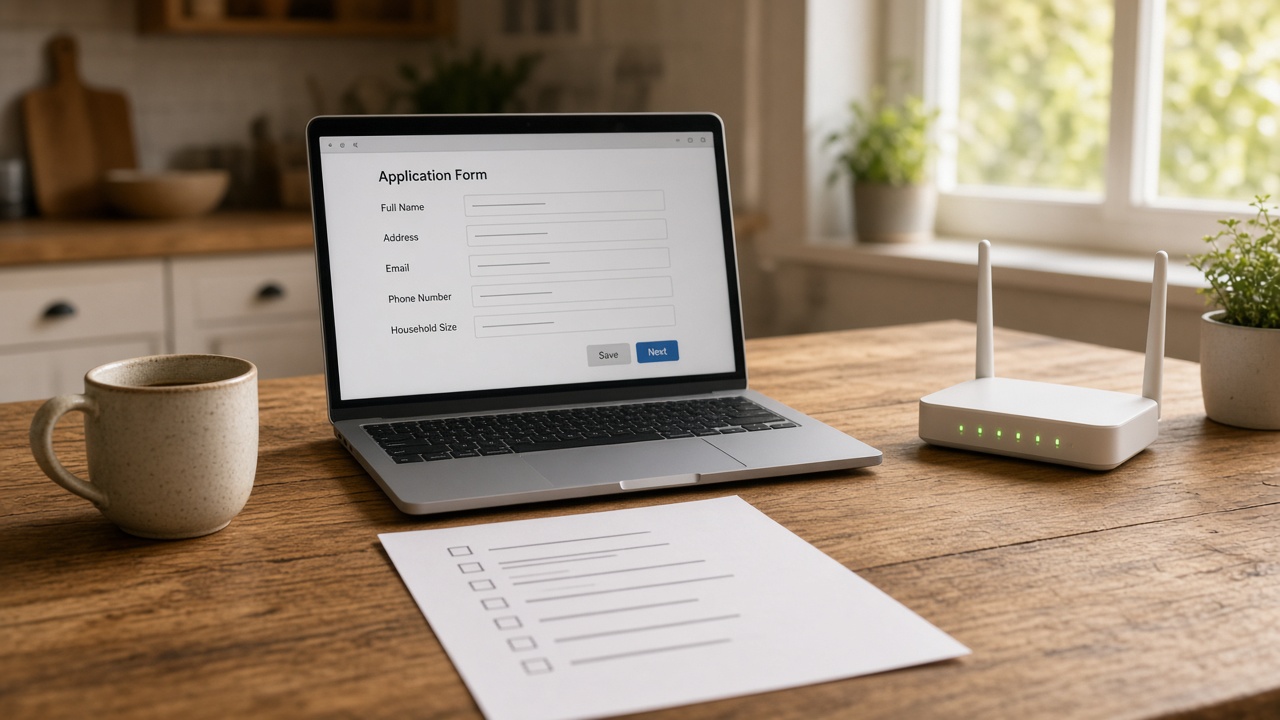
- Complete the online application form with accurate personal and financial information.
- Attach or upload copies of the required documentation to corroborate your eligibility.
- Submit the application and wait for confirmation. Windstream will review the submission and communicate their decision.
Throughout this process, Windstream provides assistance for any questions or concerns applicants may encounter.
Securing Low-Income Internet Access
Windstream understands the need for accessible internet services. Once the application is approved, eligible households can enjoy reduced internet costs, enabling them to stay connected with family, access educational resources, and seek employment opportunities online. By providing this essential service at a discounted rate, Windstream plays a crucial role in bridging the digital divide for low-income families.
From navigating the Windstream website to successfully submitting your application, each step brings you closer to reliable, affordable internet connectivity. Engage with the process and soon, a world of opportunities through Windstream's Lifeline Program will be just a click away.
The Benefits of Windstream's Affordable Connectivity
Affordable Internet transforms households by bridging the digital divide, granting access to essential online resources for education, employment, and healthcare. Windstream's offerings provide more than connectivity; customers gain entry to an enriched online experience, thanks to the company's dedication to service quality and network reliability. Together, these factors contribute exponentially to improving daily life.
Impact on Everyday Life
With Windstream's low-income Internet services, households connect to a world of opportunities. Virtual learning and remote work become accessible, enabling individuals and families to strive for their personal and professional goals without the burden of excessive costs.
High-Quality and Reliable Service
Subscribers to Windstream's affordable connectivity options receive an assurance of uninterrupted access and stellar customer support. Regular network maintenance and upgrades ensure that the service remains robust against a backdrop of ever-increasing online demands.
- Seamless online activities with minimal service disruptions
- Consistent Internet speeds that facilitate a variety of online tasks
- Customer care teams standing by to assist with any technical issues
Through these measures, Windstream not only delivers affordable Internet but also a commitment to quality that is often comparable with higher-priced alternatives.
Prepare Your Documentation for Windstream's Income-Based Internet Application
Securing low-income internet through Windstream necessitates an assembly of specific documents. Applicants must present evidence of income or program participation that aligns with the eligibility criteria.
Documents and Information Required
- Proof of income: Pay stubs, tax return, or a Social Security statement of benefits confirm earnings status.
- Program participation: Documents like a Medicaid card or SNAP benefit letter validate your involvement in qualifying government assistance programs.
- Identification: A valid government-issued photo ID, such as a driver's license or passport, confirms your identity.
- Additional residency proof: A utility bill or lease agreement demonstrates residency at the service address.
Guidelines for Gathering and Submitting Documentation
Begin by assembling your documents meticulously. Scan or take clear pictures of each to ensure legibility, adhering to Windstream's format requirements. Applicants typically submit these online or via mail, contingent on the submission options Windstream offers. Check the most current guidelines on Windstream's official website to ascertain the correct procedure and where to send or upload your documents.
Understanding the Pricing of Windstream's Low-Income Internet Plans
Subscribers need to be knowledgeable about the monthly expenses associated with Windstream's low-income internet offerings. A clear picture of the costs helps manage household budgets effectively. Windstream's low-income internet plans come at reduced prices, with variations depending on program eligibility and location.
While cost savings are a significant aspect of these programs, additional charges may apply. Subscribers may encounter installation fees, equipment rental costs, or other service-related fees. Each charge reflects on the monthly statement, and subscribers must review their billing details to keep track of these expenses.
Windstream's efforts to provide affordable internet come with the consideration of transparency in billing. Keeping unexpected costs to a minimum ensures that subscribers can rely on the consistency of their monthly internet expenses.
Exploring Windstream's Low-Income Internet Speeds and Data Limits
Windstream offers a variety of internet speeds aligned with the diverse requirements of modern households. Subscribers to Windstream's low-income programs have access to broadband services that facilitate essential online activities such as education, telecommuting, and access to government services. Naturally, speed selection impacts the user experience, with faster speeds supporting more simultaneous users and high-bandwidth applications.
Understanding the significance of providing sufficient data allowances, Windstream ensures its low-income internet plans come with data caps that accommodate the typical usage patterns of a household. Users can seamlessly engage in daily online tasks without the constant worry of exceeding monthly data limits.
- For standard web browsing, checking email, and light streaming, the lower-tiered options should suffice.
- Higher-speed plans are available, catering to households requiring robust connections for streaming high-definition content, engaging in video conferencing, or participating in online gaming.
- Windstream's offerings in these contexts aim to balance affordability with the practicality of a fully connected home.
The exact speeds and data caps available may vary based on geographic location and network availability. Subscribers can personalize their internet experience by selecting the plan that best corresponds to their actual data usage and the speed demands of their devices and applications. Such an approach allows for the alignment of plan features with user necessities, ensuring cost-effectiveness.
Explore Your Options: Windstream vs. Other Low-Income Internet Services
Choosing the right internet service provider (ISP) is no small feat, especially when budget constraints are top of mind. Gathering insights into how Windstream's offerings stack up against competitors can inform your decision. Let's delve into a comparison of low-income programs provided by Windstream and other ISPs including program benefits, speeds, and costs.
Comparing Service Benefits
While most ISPs offer discounted rates to low-income households, program specifics can vary significantly. Windstream's Lifeline Program provides a modest monthly discount on internet services. Comparable programs such as Comcast's Internet Essentials and AT&T Access also offer reduced prices but might include extras like free digital literacy training sessions. Spectrum’s Internet Assist program, for instance, offers high-speed internet at a reduced price without a contract, which can be a deciding factor for some.
Assessing Internet Speeds
Internet speed influences user experience substantially. Windstream's low-income internet services offer a range of speeds suitable for everyday tasks. In comparison, Cox’s Connect2Compete program boasts speeds up to 50 Mbps for eligible families, which suits larger households or heavier internet usage. Companies such as AT&T, on the other hand, might offer slower speeds but at a lower cost, striking a balance based on user needs.
Evaluating Costs Among Providers
Cost is often the primary consideration. Windstream's Lifeline Program discounts are consistent with the federal assistance standard, resulting in a significant reduction in monthly bills. Meanwhile, programs like CenturyLink’s Internet Basics and Spectrum’s Internet Assist might come with lower initial costs, but users should pay attention to any potential increases after promotional periods end. Furthermore, equipment fees and data caps could affect your long-term spending, making it essential to read the fine print.
- Examine the total cost of ownership, not just the monthly service charge, considering installation fees, equipment rentals, and any other miscellaneous fees.
- Consider whether you need additional services such as home phone or cable TV, which may be bundled at discounted rates by some providers.
- Investigate each ISP's coverage area to ensure service is available where you live, as some programs have geographic restrictions.
- Analyze the potential data caps, which can restrict or add costs to your internet use based on data consumption.
Through careful consideration of the benefits, speeds, and costs associated with each low-income internet service option, you empower yourself to make an informed choice that optimizes connectivity and value for your household.
Maintaining Your Eligibility for Windstream's Low-Income Internet Program
Securing access to Windstream's low-income internet program unlocks a valuable resource. To ensure an uninterrupted service, subscribers must adhere to program requirements and participate in the ongoing verification process. Here's a breakdown of steps to uphold eligibility:
Ongoing Verification Process
Each year, enrollees in the Lifeline program need to recertify their continued eligibility. This process involves submitting updated personal information and proof of income or participation in qualifying programs. Windstream will communicate the specific timeline and instructions for this recertification. Failure to complete this annual check will result in the loss of Lifeline benefits, including the low-income internet service.
Program Regulations for Continued Eligibility
Alongside annual recertification, guidelines require customers to use their Windstream internet service at least once a month. A lapse in usage could indicate to Windstream that the service is no longer needed, potentially leading to disqualification from the program. Additionally, if a household's income rises above the established eligibility threshold or if the subscriber no longer participates in a qualifying federal assistance program, they must inform Windstream. Communication about any changes to the subscriber's eligibility status helps prevent interruptions in service and ensures compliance with federal program rules.
Staying informed about Windstream's program policies plays a critical role in maintaining low-income internet access. Subscribers are responsible for reading updates that Windstream may send regarding any changes to the program. Engaging proactively with these communications and responding as necessary helps maintain uninterrupted internet service and compliance with the low-income program's regulations.
Escalations in eligibility status or challenges with the ongoing verification process are addressed directly through Windstream's support channels. Subscribers may contact customer service for assistance in navigating the verification process or for clarification on how to remain within the program's guidelines.
Explore Further: Windstream's Support Initiatives for Low-Income Households
Beyond the basic provision of low-income internet, Windstream extends additional avenues of support to subscribers in need. Beyond reduced rates on connectivity, the organization offers diverse programs tailored for financial easing and digital literacy advancements.
Understanding the barrier that equipment costs can pose, certain initiatives may include subsidized or complimentary hardware such as modems and routers. To enhance digital inclusion, Windstream also presents educational resources aimed at improving internet proficiency amongst its users.
These educational efforts underscore the acknowledgment that access alone is insufficient. Mastery in navigating digital spaces is equally beneficial, enabling individuals to leverage internet services for education, employment, and personal growth.
For a comprehensive overview of all the available support, one should visit Windstream's dedicated webpage. It houses an array of resources, including user guides, FAQs, and details about community outreach programs. The website stands as a hub for customers to gain insight not only into services offered but also into the skills necessary for optimizing their internet experience.
Tapping into such resources, households not only save on their internet bills but also enrich their digital literacy. This dual focus on connectivity and competency creates a foundation for sustained empowerment of low-income individuals within the digital economy.
Final Thoughts on Windstream's Commitment to Affordability and Digital Access
Windstream demonstrates a clear dedication to narrowing the digital divide with services designed to meet the needs of low-income households. By offering Affordable Internet options, Windstream delivers more than just connectivity; they offer a lifeline to essential digital resources, fostering opportunities for education, employment, and personal growth.
Every household eligible for Windstream's Low-Income program stands to benefit from improved service quality and responsive customer support. These benefits are not merely luxuries but are a foundation for participating in today's increasingly digital world. Speed and reliability feature prominently in Windstream's service, ensuring that practical daily Internet use remains uninterrupted.
For households on the cusp of digital inclusion, this program serves as a gateway to indispensable online resources. The program structure considers the nuanced needs of Low-Income clients, ensuring that the benefits of the digital age are not reserved for the financially privileged.
When compared to other ISPs, Windstream's offering underscores the company's competitive advantage. Potential improvements within a household post-adoption of Windstream's low-cost Internet can be significant, impacting multiple facets of daily life.
Take the Next Step with Windstream
For those households that find themselves eligible for Windstream’s low-income Internet service, seizing this opportunity could lead to substantial positive change. With access to educational programs, employment opportunities, and critical health information, connectivity becomes a tool for transformation.
Readers are encouraged to verify their eligibility and learn more about the specifics of this enriching program. By visiting the Windstream website, households can access the necessary applications and resources to join the Windstream community. Families and individuals can start enjoying the benefits of reliable, high-speed Internet at an affordable cost without delay. Windstream's commitment to enhancing quality of life through digital inclusion is evident, and actioning on this chance is a step towards embracing the full potential of the digital era.