How to get Internet service while Homeless (2026)?
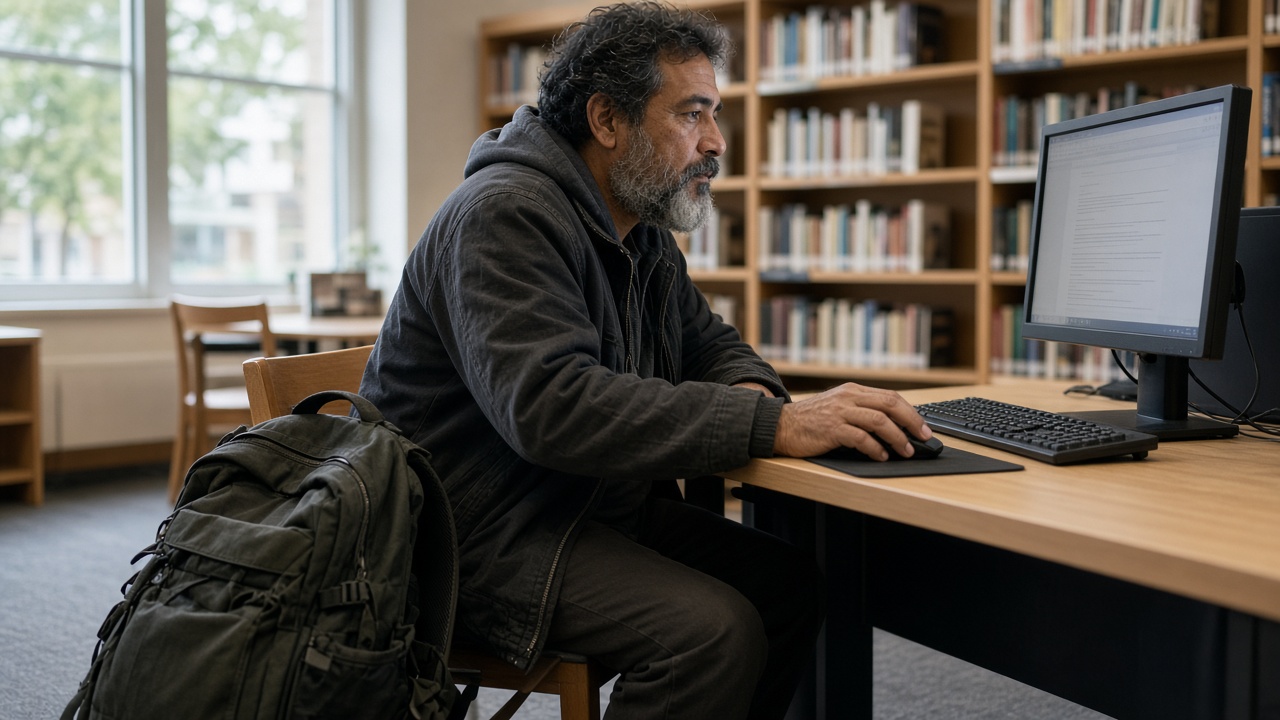
Access to the internet emerges as a pivotal bridge for individuals experiencing homelessness, connecting them with family, unlocking doors to job opportunities, and providing vital access to indispensable services. As communities saturate with digital processes, maintaining a digital presence is not merely beneficial but often mandatory to access health resources and medical information. Amid the coronavirus pandemic, connectivity transcends convenience, becoming a gateway to critical updates on health protocols and public services essential for navigating these unprecedented times.
Connecting to the World Through Public Wi-Fi
With the digital landscape expanding, Wi-Fi has become a ubiquitous utility, akin to water and electricity. Homeless individuals seeking to connect to the internet can often turn to public Wi-Fi access points found in parks, public squares, and other open areas. These hotspots provide a crucial connection, allowing users to seek employment, find shelter, or access government services. Although most commonly found in city centers, a disparity exists for rural homeless populations where such resources are scarcer.
For those utilizing public Wi-Fi spots, the issue of safety arises. Safe use involves engaging with trusted network providers; typically, city-operated networks or those provided by well-known organizations are a safe bet. When a connection requires no registration, verification, or terms of engagement, users should proceed with caution to avoid data compromise.
In urban environments, maps highlighting the locations of public Wi-Fi spots can be found online or at social service agencies, helping to pinpoint access points. However, in less densely populated areas, such resources are less prevalent. Without access in these regions, the digital divide widens as the benefits of internet connectivity stay out of reach for some homeless populations.
- Visit city websites or community bulletin boards to discover available public Wi-Fi spots.
- Check for signage in parks and public buildings indicating free internet access.
- Ask local businesses such as coffee shops or bookstores about guest Wi-Fi options.
- Look for places like transit stations, which increasingly offer Wi-Fi for travelers.
Searching for a stable internet connection should never mean compromising safety, especially personal or data safety. Public Wi-Fi users must stay vigilant against cyber threats by avoiding sensitive activities such as online banking or private conversations. Using VPNs (Virtual Private Networks) can help protect one's data from prying eyes.
Despite challenges, public Wi-Fi remains a beacon for those without a home to stay informed, connected, and poised to take steps toward stability. From job searching to completing educational tasks, these connections serve as lifelines out of homelessness.
Free Internet Services at Public Libraries
Persistent access to the internet can often be a gateway to resources, offering connections to employment, housing opportunities, and social services. Public libraries stand as critical access points to these resources. Within their walls, the homeless find not only internet connectivity but also an environment of safety and inclusivity.
While this service is of undeniable value, users typically encounter a set of regulations. Most libraries operate on a schedule, which includes specific hours for internet use. This access can be further limited by time restraints on individual sessions to accommodate the demand from multiple patrons.
Another potential impediment includes the prerequisite of identification for library card registration. Yet, numerous libraries acknowledge the unique circumstances faced by the homeless community and offer alternatives to standard ID requirements. These might include accepting non-traditional forms of identification or providing temporary guest passes for computer use.
Libraries also offer auxiliary support by way of staff assistance with digital literacy and research guidance, reinforcing their role as a cornerstone for outreach and empowerment. The pervasiveness of libraries throughout urban and rural areas magnifies their significance as a consistent resource for those in need.
- Libraries provide critical tools and resources for personal development and job searching.
- Staff can assist in overcoming hurdles related to digital literacy or general research.
- Avenues for obtaining a library card without a fixed address exist to support the needs of the homeless populace.
By recognizing these provisions, individuals facing homelessness can utilize public libraries not merely as internet hubs, but as beacons of hope and transformation in their journey toward stability.
Connecting Through Community: Internet Access at Centers and Shelters
Community centers and shelters often serve as lifelines, providing not only basic necessities but also access to communication tools. They recognize that staying connected can significantly aid in job searches, maintaining relationships, and accessing essential services. As a result, many offer internet access to those who seek refuge or assistance within their walls. This provision varies widely in availability and scope, reflecting the resources and policies of each institution.
Internet Provision in Community Centers
Whether for job applications or staying in touch with family, internet at community centers can be a game-changer. However, users may encounter limitations on usage time to accommodate the needs of numerous clients. Centers often operate on specific schedules, limiting availability to their operating hours, which typically span the daylight and early evening periods.
Shelters and Connectivity
Shelters prioritize residents' needs, including internet connectivity as a tool for empowerment and transition to stability. Access periods in shelters may extend beyond those found in standard community centers, recognizing the different patterns of resident movement and needs. Even so, availability might be subject to certain hours to ensure fair distribution of access and maintain orderly environments.
The world of digital connection meets the complex landscape of shelters and community centers, resulting in diverse offerings and policies. To navigate these waters, those in need of internet services should inquire directly at local shelters and community centers regarding the specifics of internet access, including any necessary documentation, expected usage limits, and detailed hours of operation.
- Ask about internet access upon registration or intake at the shelter or center.
- Stay informed about any changes in policy or hours that might affect connectivity.
Government Assistance Programs for Internet Service
Navigating the landscape of government assistance programs reveals opportunities for internet service for those in need. Programs at both national and local levels open doors for low-income individuals, potentially including the homeless, for better connectivity.
National Programs and Eligibility
The Lifeline program stands as a prominent national initiative, providing qualifying applicants with a discount on wireless or broadband services. Eligibility largely orbits around federal poverty guidelines or participation in programs like SNAP, Medicaid, or Supplemental Security Income. Interested individuals may apply through a nominated Lifeline provider or via the official Lifeline Support website, furnishing supporting documents to verify their eligibility.
State and Local Initiatives
Local administrations often craft unique programs tailored to constituents' needs, supplementing national efforts. Applicants usually engage with local social service agencies to access these programs, providing evidence of their residency and financial standing. State-specific initiatives frequently collaborate with non-profit organizations to amplify their reach and effectiveness.
Comprehensive awareness and navigation of these assistance programs can markedly diminish the hurdle of internet access scarcity among the homeless population.
Discover Affordable Internet Service Providers for Low-Income Households
Several Internet Service Providers (ISPs) cater to the economic constraints of low-income individuals, potentially including those experiencing homelessness. These providers commonly offer plans at reduced rates and often participate in government subsidy programs that can further decrease costs.
For instance, the Lifeline program, administered by the Federal Communications Commission (FCC), offers a monthly discount on broadband services for eligible low-income subscribers. Qualified participants could obtain this benefit by presenting documentation of their income level or participation in other federal assistance programs like SNAP or Medicaid. Homeless individuals can usually provide proof of their income status through assistance from a homeless shelter or a social service agency.
- Every large telecommunication company has a version of a low-cost internet plan. Many require enrollment in public assistance programs or verification of low-income status.
- Smaller, local ISPs may also have low-cost options; contacting them directly could yield personalized solutions based on an individual's circumstances.
- Nonprofit organizations sometimes partner with ISPs to provide affordable connectivity for underserved communities.
Despite the eligibility requirements, the process for enrollment can be streamlined with assistance from social service agencies that often have dedicated personnel to help with such applications. Moreover, organizations that aid the homeless can act as a bridge, ensuring those without a permanent address still secure these essential services. Furthermore, these ISPs may offer programs that do not necessitate lengthy contracts or credit checks, aligning with the transient nature of homelessness.
Searching for these opportunities requires diligence, as offerings and eligibility may change. Engage with community advocates or visit the websites of major ISPs to find the latest information on low-cost programs.
Mobile Hotspots and Prepaid Internet Plans
Mobile hotspots allow internet access through a portable device that connects to cellular networks. Users can carry these devices and gain online entry from virtually any location with cellular coverage. Many libraries and shelters realize the necessity of connectivity and offer hotspot borrowing programs for temporary internet access. The convenience permits users to maintain communication, apply for jobs, and access essential services.
Prepaid internet plans present an alternative, enabling control over expenses with no long-term commitment. Providers offer various plans with a range of data allowances to suit different needs and budgets. These plans can be activated on compatible phones or mobile hotspot devices, providing flexibility and control over monthly spending.
Several carriers have options tailored for limited budgets, ensuring that cost does not serve as a barrier to crucial online engagement. To obtain these services, individuals can approach mobile phone stores or explore options on provider websites, keeping an eye out for promotions and special plans for low-income users. Deliberate consideration of plan details ensures users find a match for their specific internet requirements without excessive cost.
- Research different carriers for the most affordable prepaid plans.
- Ensure device compatibility before selecting a plan.
- Seek out hotspot lending programs at local libraries and community shelters.
- Monitor data usage to avoid unexpected fees or service interruptions.
Engaging with Social Service Agencies for Internet Connectivity
Social service agencies provide crucial platforms for individuals experiencing homelessness to connect to the internet. These organizations, including those tailored to the needs of families and children, not only offer direct assistance but also function as facilitators for internet access. By partnering with local internet service providers and technology companies, agencies are often able to secure no-cost or reduced-cost internet services for their clients.
Such agencies are not mere points of contact for the homeless. They represent proactive facilitators in narrowing the digital divide. Through educational programs, access to computers, and guidance, social service agencies aim to empower the homeless with digital literacy—a skillset that is indispensable in today's society for tasks such as job hunting, accessing educational materials, and staying connected with support networks.
- Agencies specifically catering to families and children might provide dedicated computer labs for schoolwork and job searches.
- Many organizations collaborate with educational institutions to ensure children experiencing homelessness receive the necessary resources for online learning.
- Case managers in these agencies can also assist adults in utilizing the internet for job applications, government services, and accessing health-related information.
While collaborating with these agencies, individuals gain hands-on assistance from staff trained to guide through the often complex processes of securing internet access and learning how to use it effectively. For instance, a case worker can assist a client in setting up an email account or filling out online forms for assistance programs. This one-on-one support ensures that even those without prior experience with technology can benefit from the opportunities the internet provides.
Partnerships and Outreach
Partnerships between social service agencies and tech industry initiatives broaden the scope of internet access. Organizations might distribute donated devices, or benefit from corporate social responsibility programs designed to offer technology and training. Outreach programs may also bring mobile internet access points to areas frequented by homeless populations, reducing the barrier to entry for those without transportation.
Engagement with social service agencies emerges as a foundational step for the homeless to acquire reliable internet access. By harnessing the resources and support offered through these channels, a pathway toward digital inclusion becomes more accessible.
Smartphone Access and Affordable Data Plans
Those without a permanent address can obtain affordable smartphones and accompanying data plans tailored to low-income situations. Various carriers and programs offer discounted rates, allowing for sustained connectivity that is crucial for seeking employment, housing, and other services. One approach is to investigate Lifeline, a federal program that provides discounted phone and internet services to eligible low-income consumers. Enrolling in this program may result in significant savings on mobile services.
In addition to federal programs, several non-profit organizations extend a lifeline to those in need by distributing donated smartphones. These charitable efforts can dramatically reduce the barrier to entry for internet access via a mobile device. By contacting local shelters or national charities focused on technology access, individuals may find programs actively distributing devices in their area.
Moreover, exploring prepaid plans can offer flexibility and control over monthly expenses. Prepaid data plans do not typically require a credit check or a long-term contract, which aligns well with the transient nature of homelessness. By comparing plans from different carriers, the most cost-effective option for one's specific needs becomes evident.
Many carriers have also introduced low-cost plans targeting those with economic constraints. Seeking out these specific plans can lead to discovering monthly packages that provide adequate data, talk, and text without overextending financially. In certain cases, carriers offer tailored plans that become more advantageous with each additional month of service, thus reinforcing continuous access to the internet.
- Locate low-income or prepaid plans offered by multiple carriers.
- Research eligibility for federal programs such as Lifeline for discounted services.
- Reach out to non-profit organizations that provide donated smartphones.
- Seek out special deals or discounts for individuals facing financial hardships.
Finding the right mobile device and plan can serve as a pivotal step towards stability and opportunity. Regular internet access via a smartphone equips individuals with the tools to break through barriers, whether they be social, economic, or geographical.
Advocacy Groups and Resources for the Homeless Population
Multiple organizations are dedicated to bridging the digital divide for those experiencing homelessness. These groups recognize that connectivity fosters education, employment opportunities, health services, and the building of support networks.
The National Coalition for the Homeless offers varied resources that tackle aspects of homelessness, including providing information on internet access. Their work underscores the nexus between having a stable connection and securing vital life foundations.
Seeking support from local shelters can also open avenues for internet access; many shelters have relationships with advocacy groups or direct programs to facilitate connectivity for their residents. Initiatives may vary from place to place, thus direct contact for up-to-date information is recommended.
Communication with local churches and nonprofit organizations frequently yields resources or referrals to services tailored for the homeless, including those providing internet access.
Visits to Department of Social Services in one's locality may present additional internet service opportunities, as they often have extensive knowledge of government programs and community collaborations targeted at the homeless demographic.
By contacting these organizations and exploring their offered services, individuals facing homelessness can find vital support in accessing the internet, a tool that can be instrumental in improving their circumstances.
Navigating Internet Access While Unhoused: A Recap and Community Call to Action
The pathways to obtaining internet service for those experiencing homelessness are diverse, ranging from public Wi-Fi hotspots and the digital havens of public libraries to community centers and shelters. Mobile hotspots, prepaid internet plans, and smartphone access also provide critical connectivity. Government assistance programs and low-cost internet service providers are tailored for low-income individuals, while social service agencies often facilitate digital access. Furthermore, advocacy groups stand as sentinels, elevating the discussion around digital inclusivity.
Connectivity for those living on the streets transcends mere access to technology; it equips individuals with vital tools for improving their circumstances. Whether it's for job searching, housing resources, connecting with loved ones, or furthering education, internet access can dramatically reshape one's future. Support from the surrounding community plays a definitive role in transforming these opportunities from limited privileges to widespread staples for the unhoused.
Municipalities, organizations, and individuals can drive collective efforts towards better internet accessibility. When communities embrace empathy and advocate for widespread digital inclusion, societal barriers begin to crumble, paving the way for empowerment and positive change.
- For additional guidance, consult government assistance programs.
- Local charities specifically focused on digital inclusion can offer more immediate solutions.
- In-depth articles explore the nuances of internet access for unhoused individuals further.
Contribute to the momentum by volunteering your expertise, donating devices or funds, or reinforcing the advocacy for equitable internet access. Share this resource to spotlight the necessity of internet connectivity for those without a home. Your involvement can catalyze pivotal advancements within your community and beyond.