How do I Lower my Monthly Bill with Cox?
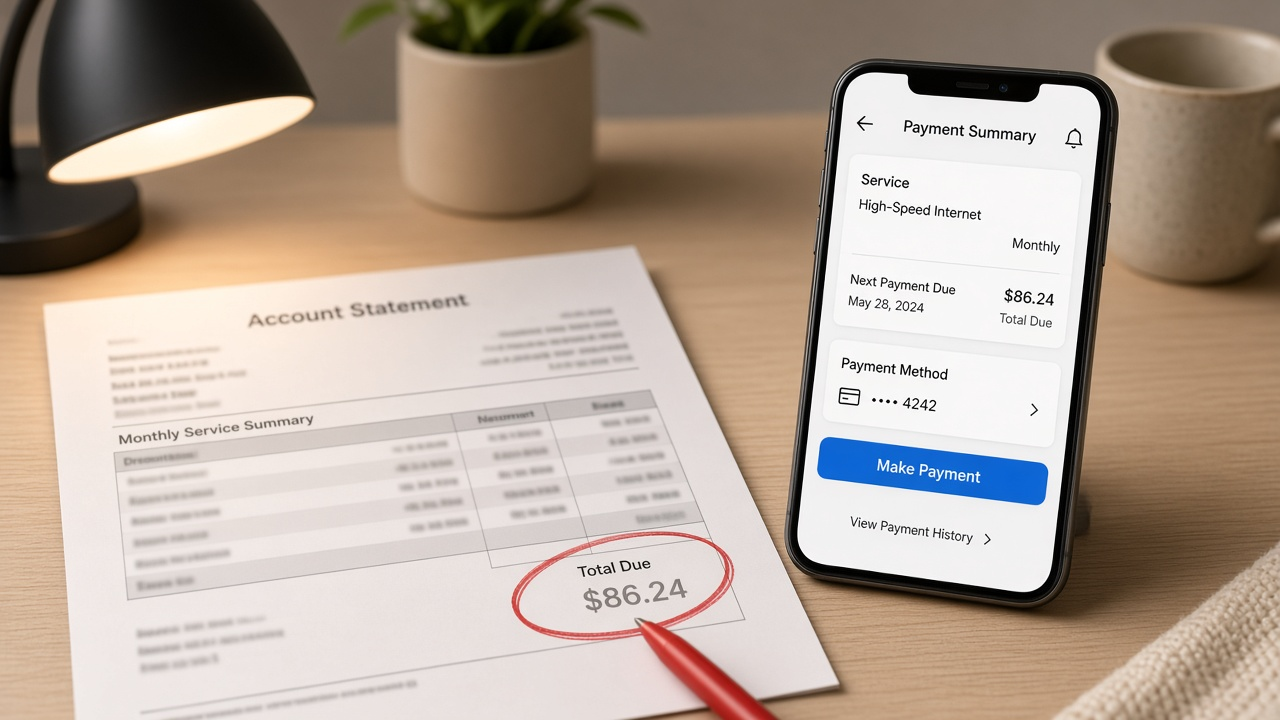
Over the past five years, Americans have seen broadband and cable bills steadily climb. According to the Bureau of Labor Statistics, internet service pricing increased nearly 19% between 2018 and 2023—outpacing inflation and putting more pressure on household budgets. Add to that frequent fees, promotional rate expirations, and bundled service traps, and the total cost of staying connected keeps inching higher.
This guide walks you through practical, data-backed ways to cut your monthly bill with Cox Communications. Whether you're a long-time customer or new to their services, you’ll find proven methods to negotiate better rates, eliminate unnecessary extras, and optimize your current plan.
As the third-largest cable and internet provider in the U.S., Cox serves millions of households. That scale gives them flexibility—with the right approach, your bill doesn’t have to come with hidden costs or legacy pricing that no longer reflects your needs.
Take Control By Understanding Your Cox Plan and Bill
Break Down the Monthly Invoice: Know What You're Paying For
Cox structures monthly bills into several distinct categories. To identify potential savings, start with the basics:
- Internet: Charges depend on your current plan's download and upload speeds. Gigablast, for example, comes with a higher monthly rate compared to Go Fast or Go Even Faster.
- Television: Expect separate line items for base TV packages, premium channels like HBO or STARZ, and any regional sports surcharges.
- Phone Services: Cox Voice packages include features like unlimited nationwide calling, and may carry line rental charges or taxes.
- Equipment: Monthly equipment fees typically include modem/router rental, DVR service, or set-top box leasing. Each box or gateway adds a fixed fee per unit.
Scrutinize Fees and Spot Overcharges
Random charges often go unnoticed in recurring billing cycles. Pay attention to:
- Broadcast Surcharges: This fee offsets the cost of carrying local networks. It's not optional but knowing its amount helps you evaluate the real cost of TV service.
- Unexplained Add-ons: Are there protection plans, paid streaming services, or service visits listed that you didn’t approve? Cross-reference those with your actual usage.
- Tax and Regulatory Fees: These aren't negotiable, but their breakdown can help distinguish between required payments and avoidable subscriptions.
Access Full Billing Details in Your Cox Online Account
The most direct way to review your charges is through the Cox website. Here’s how to find everything in one place:
- Sign in at www.cox.com using your Cox ID.
- Click on “My Bill” from the account dashboard.
- Select “View Details” or download a full PDF invoice to see item-by-item charges each month.
- Use the “Billing History” section to track recurring trends or sudden increases.
Logging in regularly gives an accurate picture of which services you truly use—and which ones inflate your total without value in return.
Compare Cox Internet and Cable Plans: Are You Paying for More Than You Use?
Review all available Cox internet and cable packages
Cox offers a range of internet and cable plans, each structured to meet varying household demands. Start by reviewing the full lineup of available packages in your area. As of 2024, Cox provides five primary internet tiers:
- Go Fast – Up to 100 Mbps
- Go Faster – Up to 250 Mbps
- Go Even Faster – Up to 500 Mbps
- Go Super Fast – Up to 1 Gbps
- Go Beyond Fast – Up to 2 Gbps
For cable TV, Cox divides its offerings into tiers like:
- TV Starter – Around 75+ channels
- Contour TV – More than 140 channels
- Contour TV Ultimate – Over 250 channels
Every plan scales up in both features and cost, so higher speeds and additional channels come with higher monthly rates. Knowing the full menu of options allows for accurate evaluation of what's just right—and what might be unnecessary.
Determine if you’re paying for more speed or channels than you need
Few households actually need gigabit internet. According to the FCC's 2022 broadband speed guide, most users consume less than 25 Mbps per stream for HD video and around 5 Mbps for general web browsing. If no one in your home is gaming heavily or streaming multiple 4K videos simultaneously, a 100–250 Mbps plan can cover several devices comfortably.
Apply a similar lens to your TV plan. Are you regularly watching all 250+ channels included in your package? Or do you only tune in to major networks and premium add-ons? Usage audits reveal where your monthly bill inflates without delivering additional value.
Consider switching to a lower-tier broadband package
Scaling down internet speed can trim $20 to $40 per month. For example, if you're subscribed to the Go Super Fast (1 Gbps) plan but rarely push your bandwidth, switching to Go Faster (250 Mbps) can meet daily needs while cutting costs. Cox allows changes mid-contract without penalty in many cases, especially when upgrading or downgrading between established plan tiers.
Affordable internet service options for casual or budget users
Cox offers a budget-friendly option tailored for light users: Connect2Compete. This plan delivers 100 Mbps starting at $9.95 per month for qualifying families with school-age children. Seniors and low-income households can also explore the FCC-backed Affordable Connectivity Program, which offers a $30 monthly discount on broadband service, including Cox plans.
Not everyone needs deluxe service. For casual streamers, solo users, or small households, lowering your package tier can unlock real monthly savings—without sacrificing performance.
Rework Your Cox Plan: Downgrade or Change Without Adding Costs
Changing your Cox service package can trim costs significantly—without breaching your agreement. Customers across the country report reductions of $20 to $60 per month after restructuring their bundle. The key lies in timing, transparency, and knowing your actual usage needs.
Adjust Your Cox Bundle Strategically
Cox promotional pricing typically applies during the first 12 to 24 months. Once expired, standard rates kick in—often raising monthly charges quietly over time. Start by logging into your Cox account and checking:
- Agreement status: Are you still within a contract term?
- Promotional end date: Are you on standard pricing?
- Early termination fee (ETF): Check if one applies and the amount.
If you're out of contract or near the end of a promo, you're in a strong position to modify or downgrade without paying an ETF. Cox allows plan modifications mid-contract, especially if you’re moving to another eligible bundle or keeping basic internet and TV. Just keep the total number of services unchanged—or switch to an approved replacement tier—to remain eligible.
Consider Lower-Tier Plans That Match Real Use
Do you really need Gigablast internet for working from home, streaming, and Zoom calls? Many households overpay for speeds or channels they never use. Here's what works in practice:
- Internet Essential 100: Offers 100 Mbps download speeds, which supports HD streaming, web conferencing, and browsing for multiple users at once. Ideal for remote workers or small households.
- Contour TV Starter: Includes local channels and select cable networks for those who mainly stream content but want live news or sports occasionally.
To get an honest, ground-level sense of what others are doing, turn to Reddit. Subreddits like r/CoxCommunications provide firsthand case studies, including bill negotiation scripts, recent downgrade experiences, and plan optimization tricks that worked.
How Reddit Users Restructure Their Packages
Reddit users regularly post real billing outcomes after downgrading. One user in Arizona reported switching from the Preferred 250 plan to Internet Essential, shaving off $30/month with no equipment changes. Another dropped Contour TV Preferred in favor of a streaming device and base internet, avoiding the rising “Broadcast Surcharge” fee entirely. These anecdotes offer more than tips—they serve as tested paths to lower monthly payments.
The takeaway: Cox doesn’t always advertise its lower-tier options prominently, but they exist, and they work. Downgrading your plan doesn’t mean downgrading your lifestyle—just aligning services with what you actually need.
Cut Monthly Costs by Ditching Cox Equipment Fees
Monthly Charges You’re Probably Paying
Cox charges monthly fees for renting core equipment. As of 2024, here’s what most customers pay:
- Panoramic Wi-Fi Gateway (modem/router combo): $14 per month
- DVR Service (Contour Record 2, 6 or 24): Ranging from $10 to $30 per month depending on storage and simultaneous streams
- Additional TV receivers or Contour boxes: $7.50 to $10 per device
Over a year, a single Panoramic Wi-Fi rental adds up to $168, while renting a mid-tier DVR like the Contour Record 6 can tack on another $240. Layer in extra set-top boxes, and you're easily paying over $400 annually in hardware fees alone.
Buy Compatible Equipment and Stop Paying Rentals
You can eliminate these recurring charges by purchasing your own gear. Cox maintains a list of approved DOCSIS 3.1 modems and compatible routers, ensuring your setup will function on their network without issue. Reliable options include:
- Netgear CM500 or CM700: Affordable and certified for Cox plans under 500 Mbps
- ARRIS SURFboard SB6183 or SB8200: High-performance models supporting Gigablast internet
- Separate Wi-Fi routers like TP-Link Archer AX20: Allow better coverage and control
Buying a modem/router combo upfront at $120–$180 pays for itself in 9 to 12 months. Plus, owning hardware gives you freedom to upgrade or switch providers without new rental agreements.
Returning Cox Equipment the Right Way
To stop equipment fees, Cox must receive your rented devices in proper working condition. Here's how:
- Initiate a return: Log into your Cox account, go to “My Equipment” and select “Return Equipment.”
- Choose your return method: Drop off at a Cox store or ship using a prepaid label.
- Track the return: Always keep the tracking number or in-store receipt until the charge disappears from your bill.
If you don’t return the equipment promptly after cancelling or replacing services, Cox may charge unreturned device fees—often between $60 and $300 per item depending on the hardware.
How much are you potentially wasting every year just on what sits on your shelf? Cross-reference your bill. Own your device, send back theirs, and keep that extra $30 or more in your pocket each month.
Unlock Hidden Savings: Use Cox Discounts and Promotions to Lower Your Bill
Explore Current Promotions for New and Existing Customers
Cox frequently rolls out time-limited promotions designed to attract new customers—but existing subscribers can benefit too. These offers often include discounted rates for the first 12 months, free upgrades on internet speed tiers, or cable packages bundled with premium channels at no extra cost.
To access these deals, check the “Deals” or “Offers” section on the official Cox website. Promotions change regularly, and rates can vary by region, so enter your ZIP code for accurate information. Customer service representatives also have access to unpublished retention offers. Ask directly about current loyalty or retention deals when calling the support line.
Loyalty Discounts: A Reward for Staying
Once a promotional agreement period ends, your monthly bill will increase, sometimes substantially. However, Cox offers retention-based loyalty discounts to keep longtime customers from switching providers. These aren't advertised publicly, but account representatives can apply them at their discretion—especially if there's competitor activity in your area.
Call after your introductory period ends and request a rate review. If you've been a customer for over a year, ask directly for a loyalty or retention discount. Most representatives will pull up any available rates or credits that apply to your account tier.
Qualify for Student, Veteran, or Senior Discounts
Cox provides additional discounts to households that meet specific eligibility criteria. While not widely advertised, these group-based offers are available in select markets and can reduce your bill every month.
- Students: During back-to-school season, Cox often partners with colleges and universities to offer discounts on high-speed internet packages. Use your ".edu" email address to check partnership eligibility.
- Veterans and active-duty military: Cox occasionally runs promotions or offers exclusive pricing tiers to show appreciation for military service. Call customer service to inquire, and have proof of military ID ready.
- Senior citizens: In some areas, individuals over 60 or 65 may qualify for discounted internet access, particularly through partnerships with local agencies on aging.
Where to Find Unadvertised Cox Promo Codes and Offers
Looking for savings beyond the Cox website? Several third-party platforms share active promo codes, package upgrades, or exclusive deals not listed publicly. Start with trusted deal aggregators like RetailMeNot, Slickdeals, and Offers.com—filter by ZIP code or browse Cox-specific threads.
In addition, Reddit forums like r/CoxCommunications often feature first-hand reports of customer results with retention reps or unpublished promotions. Users regularly post screenshots or PM codes that you can use when negotiating your own package.
Another overlooked tactic—sign up for Cox email updates and marketing notices. They occasionally send subscribers private deals or exclusive limited-time rate reductions not available to the general public.
Pair and Save: How Cox Bundles Can Cut Your Monthly Bill
Weighing the Pros and Cons of Bundling Cox Services
Bundling services—combining Cox Internet with TV, phone, or even home automation—can reduce your monthly bill significantly. But savings depend on your usage patterns and which services you actually need. Here's how it breaks down:
- Pro: Reduced pricing through bundle discounts. Cox commonly offers $10 to $30 off per month when you combine two or more services into a single plan.
- Pro: Simplified billing. One provider, one bill—this makes expense tracking easier and reduces administrative hassle.
- Pro: Promotional perks. Bundle deals often include free equipment upgrades, premium channels for a trial period, or waived installation fees.
- Con: Locked-in contracts. Many bundled deals require a one- or two-year commitment, which increases your risk if your needs change.
- Con: Higher base price after promo ends. Introductory deals eventually expire. When they do, your bill can jump significantly.
- Con: Paying for unused services. Including phone or TV in a bundle adds cost if you're streaming most content or don’t use a landline.
How Cox Bundles Impact Your Bill
The most recognizable bundle from Cox is the Contour TV + Internet Essential package. As of 2024 rates, this combo starts at $102.99/month, compared to $49.99 for standalone internet or $61 for standalone basic TV. That’s a $9 savings compared to subscribing to each separately.
When you add Cox Voice (landline phone), the triple play package often starts around $124.99/month with typical promotional pricing. Each service in the bundle is billed at a reduced rate, but only during the promotional period—usually 12 months. After that, prices revert to standard rates unless you renegotiate or switch plans.
If you're already paying for Cox Internet and TV individually, bundling could shave $10–$25 off your monthly bill. But for customers only using one service, adding others just for a bundle discount usually inflates the total cost.
Knowing When Bundling Saves You Money
Bundling produces a real discount when:
- You already plan to use two or more Cox services.
- You’re within the first 12 months of service and qualifying for the promotional rate.
- Your current standalone rates are higher than the bundle’s combined cost.
- You strategically use Cox's online-only bundle offers, which often include exclusive discounts.
To make a smart bundling decision, compare your current monthly charges with the bundled promo rate. Call Cox support or use the online savings estimator on their website to validate the difference. If you don’t need TV or voice service, bundling won’t lower your bill—it will simply add unused services to it.
Negotiate With Cox Customer Service and Reduce Your Bill
Lay the Groundwork Before You Call
Approach your negotiation with solid information. Start by conducting a competitive analysis—compare Cox's current promotions with what other major providers like AT&T, Spectrum, or Xfinity are offering in your area. Use tools like BroadbandNow, WhistleOut, or the provider’s own websites to verify accuracy.
Look for:
- Introductory deals from competitors offering the same speed or channel lineup.
- Limited-time discounts Cox may be running for new customers (these are sometimes available to existing customers who ask).
- Package options that bundle internet and cable or phone, often yielding better rates.
Keep all this information in front of you. Having exact speeds, prices, and terms gives you leverage when you're speaking with the representative.
Use a Proven Script to Ask for Lower Rates
Start the call by being direct, polite, and clear about what you want. Here's a basic structure that has worked for many:
“Hello, I’ve been a Cox customer for [X] years. My monthly bill has increased to [$Amount], and I’m seeing similar services from other providers for far less. I’d like to continue with Cox, but I need help lowering my bill. Are there any promotions or loyalty discounts available to me right now?”
Be ready to pause. Let the representative respond. If they say there's nothing available, continue:
“I’ve seen that new customers in my area are receiving [Offer Details], and I’d appreciate it if Cox could match or come close to that. I’m happy to adjust my package if needed.”
Strategies Shared by Real Users
Multiple Reddit threads and broadband forums contain real-world strategies that have triggered bill reductions. Here are some techniques shared by users who negotiated successfully:
- Call near the end of your bill cycle: Some users report better success when negotiating right before a billing cycle ends, which may align with internal retention targets.
- Use competitor quotes: Several posts confirm that quoting specific packages from AT&T or Spectrum led reps to apply promotional pricing or extend existing deals.
- Ask for a supervisor or a different department: If the frontline agent can't help, escalate.
Reddit user feedback consistently shows that staying calm and respectful boosts your odds. Aggressive tactics typically lead to dead ends.
Ask for the Retention Department
Frontline agents typically follow a limited script. If you're not getting results, ask this simple question:
"Can you transfer me to the customer retention team?"
The retention (or loyalty) department has more authority to offer meaningful discounts, apply promo codes, or restructure your package creatively. Cox, like most providers, invests in keeping long-term customers, and the retention team has the tools to make that happen. Mentioning that you're comparing prices may trigger access to better deals, especially if you're out of contract.
Unlock Savings Through Cox Low-Income Assistance Programs
Cox Connect2Compete: Affordable Internet for Eligible Households
Cox offers a dedicated low-income assistance initiative called Connect2Compete, designed to provide affordable internet access to qualifying families. This program reduces the monthly broadband bill for eligible participants to just $9.95 per month for internet service. There are no annual contracts, no installation fees, and no deposits.
Through this program, households receive internet at speeds up to 100 Mbps, which is sufficient for virtual learning, streaming, and job applications. Additionally, Connect2Compete includes access to tech support and educational resources through Cox’s Digital Academy platform.
Eligibility Requirements
To qualify for Connect2Compete, a household must:
- Have at least one K–12 student living at home.
- Participate in a government assistance program such as the National School Lunch Program (NSLP), Supplemental Nutrition Assistance Program (SNAP), Temporary Assistance for Needy Families (TANF), Public Housing, or WIC.
- Not have subscribed to Cox's internet services within the last 90 days.
- Have no outstanding debt to Cox that is less than one year old.
Eligibility is determined during the online application process, which takes a few minutes to complete. If approved, customers can typically activate service within 3 to 5 business days.
Direct Savings on Your Monthly Internet Bill
Those who qualify for Connect2Compete bypass standard-priced internet packages, which typically range from $49.99 to over $100 per month depending on the plan. By switching to the Connect2Compete tier, eligible customers cut their broadband utility cost by more than 80%, with a flat monthly rate under $10. That reduction alone can slash over $480 a year from a household's connectivity expenses.
Additionally, Connect2Compete participants may qualify for further savings through the federal Affordable Connectivity Program, which can offer up to $30 more in monthly discounts on internet services.
Trim the Fat: Cancel Unused Cox Add-ons and Extras
Hidden costs often hide in plain sight. Many Cox customers pay monthly for features they haven’t touched in months—sometimes even years. These add-ons can rack up charges that quietly inflate the bill. By reviewing and removing services that go unused, you unlock instant savings without sacrificing core connectivity.
Cancel Premium Channels, DVR Services, and Protection Plans
Start with the most expensive culprits. Premium movie channels like HBO®, SHOWTIME®, STARZ®, and CINEMAX® each add between $10 and $20 per month to your bill. If you’re not regularly watching them, that's up to $240 annually that serves no purpose.
DVR service fees also contribute to higher bills. Cox charges around $13.99/month for DVR service, on top of the equipment rental. If you’re mostly streaming content or rarely rewatch recorded shows, cutting the DVR can free up unnecessary costs.
Then consider tech and service protection plans. Cox Complete Care and other equipment protection options often add another $10–$12 per month. Unless you’re consistently calling support or replacing hardware, odds are you’re overspending here.
Look for Streaming and Smart Home Add-ons
In some cases, charges creep in for features bundled with devices or services that never get used. For instance, Cox Contour users might find fees related to:
- Streaming app integrations for platforms you already access independently.
- Voice remote or smart home security features bundled with plans, but never activated.
- Cloud DVR expansions when local storage isn’t even close to full.
Each of these add-ons may only cost a few dollars individually, but together, they often stack up to more than $30 monthly in unnecessary charges.
Manage and Remove Extras through MyAccount or Cox App
Cox offers account management tools that make it easy to find and eliminate these excess services. Through the MyAccount portal at cox.com/myaccount or via the Cox app on your mobile device, you can:
- View a full breakdown of your bill by service and feature.
- Identify optional add-ons and their monthly costs.
- Cancel or modify those services with a few clicks or taps.
These tools also allow you to track when you added each feature, so you can determine if it's time to pull the plug. No need for a phone call, no waiting on hold—just a digital path to a smaller bill.
Set Up AutoPay and Go Paperless to Cut Monthly Costs
Automating your Cox payments and switching to paperless billing generates an immediate and measurable reduction in your monthly bill. With both features enabled, account holders qualify for a monthly discount that ranges from $5 to $10, depending on the type of Cox service plan.
How the Savings Work
Cox applies the AutoPay and paperless billing discount directly to eligible monthly statements. For example:
- Internet Preferred and higher tiers receive a $10/month discount.
- Select cable or bundled plans qualify for a $5–$10/month reduction.
- Discounts remain in effect as long as both features stay active and in good standing.
This creates a low-effort savings path—no changes to your services, no downgrades, just a billing method adjustment.
How to Enroll in AutoPay and Paperless Billing
Cox customers can activate both features through either the desktop site or the mobile app. Here’s the step-by-step breakdown using the website:
- Log in to your Cox account at cox.com.
- Click on My Account, then select Billing Preferences.
- Choose AutoPay and follow the prompts to add a payment method—debit cards and checking accounts are eligible.
- Enable Paperless Billing within the same menu by opting out of mailed paper statements.
Mobile users can follow a similar process through the Cox app by tapping Billing on the home screen, choosing Payment Settings, and making the same selections for AutoPay and paperless delivery.
After setting it up, the discount appears automatically on your next billing cycle, typically within 1–2 statement periods. Curious how this might affect your savings long-term? Multiply your monthly discount by 12—that’s up to $120 per year staying in your pocket with zero service changes.
Stay Ahead: Review Your Cox Plan Annually for Long-Term Savings
Reducing your monthly bill with Cox isn’t a one-time fix. The most effective strategy comes from staying engaged with your services and making plan reviews part of your yearly routine. Waiting for price hikes or unexpected charges to appear on your bill will always cost more in the long run.
Make Monthly Bill Reviews a Habit
Pull up your Cox bill once a month and match it against your current service agreements. Look for:
- Monthly rate increases: Cox promotional prices typically expire after 12 or 24 months.
- New line items or unfamiliar surcharges: Additional fees sometimes appear due to service updates or equipment issues.
- Usage patterns: If your household uses less data or fewer TV channels, you might qualify for a smaller plan.
A 10-minute check each month ensures you won’t overlook creeping costs or unused services that stack up over time.
Call Cox at Least Once a Year
Set a calendar reminder to contact Cox customer service annually. Ask this one direct question: “Am I currently getting the lowest rate available for my usage?” Don’t assume loyalty comes with rewards — newer customers sometimes get better pricing. By making that call, you might uncover:
- Updated bundles or services with better value
- Retention offers designed to lower your bill without changing providers
- Access to seasonal promotions not publicly advertised
Leverage Consumer Knowledge and Persistence
Subscribers who stay informed win. Forums like Reddit’s r/CoxCommunications frequently share promotional codes, successful negotiation scripts, and third-party modem recommendations that eliminate rental fees. Use those insights to prepare before calling Cox — know what other customers are paying, and don’t settle for the first offer.
Persistence delivers results. If the first call center agent refuses to budge, call again. Request the retention department. Document your current contract end date and promotional expiration. Over time, these tactics compound and produce real savings — not just a few dollars, but $20–$40/month off your bill in some cases.