How Do I Get a New Router from AT&T?
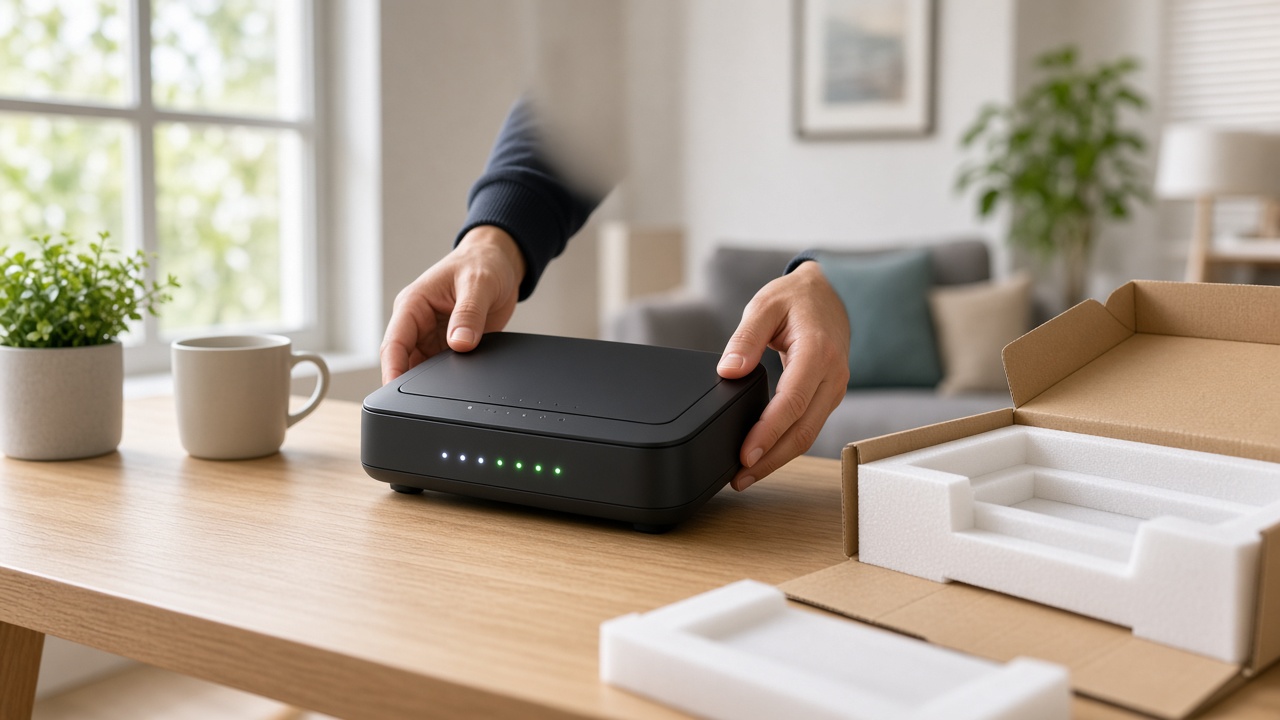
Wondering about the process to obtain a new router from AT&T? Identifying whether your current router falls within the warranty period and if the issues you're encountering are covered under AT&T's policy is the first step. Depending on the diagnosis of your router's problems, AT&T will suggest either repair or replacement. In situations where the router is irreparable or its malfunctions cover specific warranty-covered issues, AT&T typically provides a replacement to ensure ongoing quality service and uninterrupted internet connectivity.
Checking Router Eligibility for Upgrade
Several factors determine the eligibility of your AT&T router for an upgrade. The age, model, and any performance issues that may have arisen over time play a significant role in this assessment.
Factors Affecting Eligibility
Understanding the specifics can clarify your router's eligibility status for an upgrade with AT&T. Newer routers typically benefit from the latest technology and enhanced features, whereas older models might not support newer standards or speeds that AT&T offers. If your router's performance has degraded, exhibiting slow speeds, intermittent connectivity, or other problems, these are clear indications that an upgrade may be necessary.
How to Check
To verify your router's upgrade status:
- Log into your AT&T account online.
- Navigate to the equipment section of your account settings.
- Look for a section labeled "Router Upgrade" or "Equipment Upgrade."
- Review the information provided to determine if your router is eligible for an upgrade.
- If available, follow the on-screen instructions to begin the upgrade process.
By closely following this guide, you will gain insight into the potential of receiving a new router and enhancing your home network's performance. Remember that an upgraded router can significantly improve your internet experience, allowing for faster speeds and more reliable connections.
Contacting AT&T Customer Service for Router Issues
Experiencing router issues often necessitates a series of well-defined steps before reaching out for professional assistance. Performing initial troubleshooting may quickly resolve the matter. Users are advised to start by confirming the functionality of their IP and checking network settings. Validating the accuracy of the network password is another essential step to prevent unnecessary contacts with customer service.
Initial Troubleshooting
Resolving router concerns begins with standard troubleshooting procedures. Users should check the status of their router lights, reboot the device, and ensure connections are secure. Confirming the router's IP address and verifying network settings, such as DHCP and DNS, are operational steps to diagnose connectivity issues. Password verification ensures access control is not the root cause of the problem.
Contact Methods
Diverse communication channels are available to engage with AT&T customer service. Customers can speak directly with a representative by dialing the customer service phone number. For those preferring written communication, live chat provides real-time assistance without the need for a call. Furthermore, AT&T Communities offer comprehensive support from both peers and professionals, presenting a rich database of previously solved issues and expert insights.
- Dialing AT&T customer service allows direct, voice-guided assistance.
- Using the live chat feature on AT&T's website connects users with support agents.
- Engaging with AT&T Communities provides access to a treasure trove of information, allowing self-service or assistance from experienced users and AT&T experts.
Contacting AT&T customer service is a straightforward process. Customers receive guidance and solutions when router issues surpass the scope of preliminary troubleshooting. With multiple contact methods at their disposal, customers can choose the interaction style that best suits their preferences and needs.
Scheduling an AT&T Technician Visit for Router Assessment
Occasionally, AT&T clients encounter router issues that surpass simple troubleshooting and demand professional involvement. Under these circumstances, a technician's expertise is not just beneficial but necessary to pinpoint and remedy complex issues.
When to Schedule a Visit: Identifying situations that require professional assessment
Customers might notice persistent connectivity or performance problems, such as frequent disconnections, slow internet speeds, or failing hardware signals. If these issues persist despite basic troubleshooting efforts like resetting the router, scheduling a service visit will likely resolve them.
Setting Up an Appointment: How to use the account settings or customer service to schedule a technician visit
To arrange for a technician, AT&T subscribers can easily utilize their online account portal. Once logged in, navigate to the support section and follow the prompts to schedule a service appointment. For those who prefer personal interaction or have specific questions, contacting AT&T’s customer service line is another avenue. The representative will guide you through the scheduling process and provide available dates and times.
- Start by logging into the AT&T account online.
- Locate the support or help section regarding service issues.
- Select the option to schedule a technician visit.
- Choose an appointment slot that aligns with your availability.
- Alternatively, dial the customer service hotline for personal assistance.
Upon confirming a technician appointment, you will receive a confirmation via email or text message, ensuring that the details are noted, and help is en route on the specified date and time.
Delve into Sophisticated AT&T Router Models and Their Capabilities
AT&T customers looking to upgrade or replace their routers have a selection of advanced models to choose from, each offering a unique set of features designed to suit varied requirements and enhance connectivity experiences. Discerning which router model aligns with specific needs enables users to optimize their home or office network efficiently.
Model Overview
A host of router models await existing and new subscribers, ranging from standard options suitable for everyday internet needs to high-performance units capable of handling intense bandwidth demands. These models come equipped with the latest technology to provide stable, reliable connections.
Key Features
- Dual-band Wi-Fi: Select AT&T routers operate on dual-band frequencies, offering 2.4GHz and 5GHz channels for improved performance and less interference.
- Guest Access: Certain models boast a guest access feature, allowing hosts to provide Internet access to visitors while keeping the main network private and secure.
- Advanced models may include additional features such as Smart Home integration, enhanced security protocols like WPA3, and beamforming technology to direct signal strength to connected devices for increased coverage and speed.
- AT&T could also offer routers with built-in voice assistance capabilities, enabling users to perform network-related tasks via voice commands.
An exploration of the various models and their capabilities reveals a commitment to catering to the diverse needs of the customer base. Enhanced features like dual-band Wi-Fi and guest access not only support the demands of modern digital life but also offer the convenience and flexibility sought by connected consumers.
AT&T continuously assesses and updates their technology, ensuring that every router model on offer aligns with contemporary connectivity standards and the evolving digital landscape.
Understanding the Interplay between AT&T Internet Plans and Router Compatibility
AT&T offers a selection of internet plans tailored to different usage needs, from basic browsing to high-bandwidth gaming and streaming. Subscribers can choose from plans such as Internet 100, Internet 300, and Internet 1000, which reflect the maximum speed capability in megabits per second (Mbps).
Matching the right router to the chosen AT&T internet service plan ensures optimal performance. A new router must support the maximum speeds of the internet plan to avoid bottlenecks in data transmission. Equally, advanced features such as dual-band Wi-Fi and smart home management can apply to the latest AT&T routers, aligning with users' growing home networking demands.
- For moderate internet usage, a basic router could suffice with Internet 100, facilitating everyday tasks such as email and web surfing.
- Internet 300 users may benefit from a router with stronger signal strength and dual-band capabilities, enhancing the experience for streaming HD videos.
- Subscribers of Internet 1000, offering gigabit speeds, require a high-performance router that can handle extensive bandwidth and multiple devices simultaneously.
When selecting a new router, AT&T provides equipment options designed to harness the full potential of their internet plans. Users must also consider factors like the size of their home, the number of devices connected, and specific activities requiring internet access. This approach guarantees that the new router not only aligns with the service plan but also complements the user's digital lifestyle.
Navigating AT&T Warranty and Insurance for Equipment
When considering router and network equipment protection, assessing the warranty parameters AT&T provides is the starting point. The standard warranty covers manufacturing defects and hardware malfunctions under regular usage circumstances. This means replacement or repair at no additional cost if the equipment proves faulty without any undue influence or external damage caused by the user.
Understanding Warranty
Routers supplied by AT&T come with a manufacturer's warranty. This warranty typically extends for a fixed timeframe from the date of installation. Should the router cease to function optimally due to issues such as flawed firmware or hardware, the warranty facilitates a no-cost resolution. However, remember that conditions such as water damage, power surges, and modifications unauthorized by AT&T would render the warranty void.
Insurance Options
AT&T offers insurance programs which can be opted for an additional layer of protection. These insurance plans cover situations that fall outside the warranty. For instance, accidental damage or loss may be mitigated through insurance coverage, ensuring reduced downtime and potentially saving on unexpected expenses. Reviewing the terms and fees associated with these insurance plans allows for a well-informed decision tailored to individual risk preferences and equipment usage patterns.
- Distinguish between the warranty and insurance to optimize equipment coverage.
- Consider the insurance benefits for scenarios not covered by the standard warranty.
- Analyze service fees and premiums to ensure the chosen option aligns with projected needs and budget constraints.
Securing the right balance of warranty and insurance through AT&T not only assures continuous internet service but also peace of mind concerning potential hardware issues.
Following AT&T Router Return and Exchange Procedures
To return an AT&T router and engage in an exchange, customers must follow a step-by-step guide for a smooth transition. Begin by securing a return authorization through AT&T customer support. Next, prepare the device for shipment by restoring it to factory settings and repackaging it with all original components. Utilize the provided shipping label, and if one is not provided, contact customer support for guidance.
The exchange timeline from initiating a return to receiving a new router typically spans one to two weeks. During this time, customers should expect to send back the old router and await confirmation of its receipt by AT&T. Once AT&T processes the returned item, the replacement router is dispatched.
- Acquire return authorization from AT&T
- Reset router to factory settings
- Repackage router with all original accessories
- Attach provided shipping label or get one from customer support
- Send off the equipment
- Wait for receipt confirmation
- Anticipate dispatch of the replacement router
Throughout this process, keep records of all communications and confirmations of shipments and receipts. Effective tracking helps in the unlikely event of discrepancies during the exchange.
Managing AT&T Account Settings for Equipment Changes
Seamless account management resonates with successful equipment updates. Once a new router integrates into your setup, updating account settings solidifies this change. Secure the benefits of your equipment upgrade by ensuring your AT&T account reflects the new status quo.
Account Management: Best Practices
- Log in to your AT&T account promptly after installing the new router.
- Navigate the account settings and review network associations to incorporate the updated equipment details.
- Validate the service status to confirm active internet connection post-installation.
Keeping Information Up-to-Date
Accurate information within your AT&T account mitigates potential service disruptions. A change in router necessitates a fresh look at personal details and network settings.
- Access your AT&T account and proceed to profile or settings.
- Update contact information to facilitate timely communication regarding service or account notifications.
- Adjust the IP address settings if the new router's configuration deviates from the default.
- Change your Wi-Fi network's password to match the new router's security framework, subsequently updating devices that connect to it.
Mindful adjustments to your AT&T account following the installation of a new router will ensure a harmonious transition. Embrace the upgrade, and reaffirm your account to maintain uninterrupted service and support.
Troubleshooting Common AT&T Router Problems Before Replacement
If you’re encountering issues with your AT&T router, such as connectivity problems or slow WIFI speeds, certain steps may resolve these concerns without necessitating immediate replacement. Delve into these common complications and implement the suggested solutions to potentially restore full functionality to your device.
Connectivity Concerns
- Signal Interference: Devices such as cordless phones and microwaves can disrupt WIFI signals. Relocating the router away from these items may strengthen the connection.
- Overcrowded Networks: Too many connected devices can overload your network. Disconnect unnecessary gadgets to alleviate this issue.
Slow WIFI Speeds
- Bandwidth Saturation: Streaming services and large downloads can consume significant bandwidth. Cease these activities temporarily to see if speeds improve.
- Outdated Firmware: Ensure your router’s firmware is up to date through your AT&T account settings to enhance performance.
When to Reset or Reboot
Occasionally, refreshing your AT&T router can resolve persistent issues. Resetting the router's IP address or rebooting the device can be effective measures in restoring internet functionality. A reset will often be a comprehensive return to factory settings, which may solve deeper problems but will also erase any custom configurations you have set up. On the other hand, a simple reboot of the device can clear temporary errors or glitches without affecting your settings.
- A reset is necessary when there are continuous connection failures, and prior troubleshooting steps, such as rebooting, have failed.
- A reboot should be the first option when addressing sudden performance drops, and this act can often be completed by unplugging the router, waiting a brief period, and then plugging it back in.
By tackling these router challenges proactively, you eliminate the need for immediate replacement and maintain your AT&T service without interruption. Should these remedies not yield the desired outcome, consider reaching out to AT&T support for further guidance or to initiate a replacement if warranted.
Seamless Router Replacement: Your Guide to Navigating AT&T's Process
Accessing a new router through AT&T begins with an understanding of the company's replacement policy. If your router is eligible for an upgrade, customer service stands ready to assist with any issues and will schedule a technician visit if needed. Taking time to explore the various router models and features ensures you find the best fit for your internet plan and personal needs.
Equipped with the knowledge of AT&T’s warranty and insurance options, you can confidently navigate the return and exchange procedures. Adjusting your account settings is a necessary step for equipment changes. Prior to pursuing replacement, troubleshooting common problems could resolve less complex issues, saving time and effort.
In your pursuit of a new AT&T router, leveraging support forums and utilizing AT&T resources proves beneficial for a smooth transition. Beyond the immediate router replacement, consider diving into enhancing your home network security and optimizing WiFi signals for the best possible online experience.
Take the Next Step
For detailed guidance on each step of the router replacement process, explore our comprehensive guides. Have insights or experiences with AT&T router replacements or upgrades? Share your story in the comments or join community forums to contribute to the conversation.