Amazon Satellite Internet Louisiana 2026

Sparse infrastructure, low population density, and limited provider competition have long defined the internet landscape across rural Louisiana. In many parishes, residents still contend with unreliable service or no broadband access at all. While traditional telecoms have been slow to cover these underserved regions, Amazon is stepping into the wireless ecosystem with a bold strategy: global satellite internet through Project Kuiper.

As part of a multi-billion-dollar initiative, Amazon plans to launch over 3,200 low-earth orbit (LEO) satellites designed to deliver low-latency, high-speed internet. Unlike geostationary systems, Kuiper’s satellite constellation operates closer to Earth, enabling faster performance and wider accessibility. This positions Project Kuiper as a direct challenge to existing services like Starlink, while offering a scalable solution for communities that have been digitally left behind.

Louisiana stands out as a strategic location for Kuiper’s rollout. With over 30% of rural households lacking high-speed broadband, according to 2021 FCC broadband deployment data, the state presents both a critical need and an opportunity. In particular, regions like northern and central Louisiana—where fiber deployment remains limited—are prime candidates for satellite-based solutions.

What is Amazon Project Kuiper?

Background of Amazon’s Satellite Internet Initiative

Project Kuiper is Amazon’s high-bandwidth, low-latency satellite internet program. Announced in 2019, the initiative aims to deploy a constellation of 3,236 low Earth orbit (LEO) satellites. Development and testing take place under Amazon’s wholly owned subsidiary, Kuiper Systems LLC. These satellites will provide broadband connectivity to underserved areas, including rural parts of Louisiana, where traditional infrastructure is limited.

The name "Kuiper" references Dutch-American astronomer Gerard Kuiper, aligning with Amazon's aim to chart a new path in space-based connectivity. Investment in the project has already crossed the multi-billion-dollar mark, with dedicated facilities in Redmond, Washington, and plans for full-scale manufacturing capacity.

Mission and Long-Term Vision

Project Kuiper’s mission is to provide affordable, high-speed internet access across the globe. It targets remote regions first, balancing connectivity gaps with scalable, commercial-grade service. The broader long-term vision connects Kuiper with Amazon’s existing infrastructure — AWS, Alexa, and logistics systems — creating unified services powered by seamless connectivity layers.

Executives such as Dave Limp, former SVP of Amazon Devices and Services, have confirmed that Kuiper will support both consumer broadband and enterprise solutions. The integration with cloud-computing services will allow data to be processed closer to the source, reducing latency and optimizing performance for data-intensive applications.

FCC Approval and Spectrum Usage Overview

In July 2020, the United States Federal Communications Commission (FCC) granted Project Kuiper authorization to operate its planned satellite array. The license allows for the deployment of 3,236 LEO satellites in altitudes ranging from 590 to 630 kilometers. To maintain its license, Amazon must deploy at least 50% of those satellites by July 2026.

The FCC approved Kuiper's use of Ka-band spectrum — a frequency range known for supporting high-throughput satellite communications. This band enables the delivery of gigabit-class speeds, a significant upgrade for customers in Louisiana parishes where terrestrial internet coverage falls short.

The project will also include multiple ground stations across the United States, equipped with phased-array antennas for real-time communication with the satellite mesh. Spectrum coordination with existing operators, including avoidance of interference with Telesat and SpaceX, has been mandated as part of the license agreement.

The Role of Satellite Internet in Louisiana

Gaps in Rural Connectivity Across the State

In Louisiana, large portions of rural parishes operate with minimal or no broadband access. According to the Federal Communications Commission's 2022 Broadband Progress Report, nearly 22% of rural Louisianans lack access to broadband speeds of at least 25 Mbps download and 3 Mbps upload. In urban areas, that figure drops to 1%, underscoring the disparity.

Fiber expansion, although effective in urban centers like Baton Rouge or New Orleans, has proven restrictive in more remote areas. Limited return on investment, sparse population density, and long build times deter providers from laying fiber along lengthy stretches of unprofitable terrain.

Challenging Terrain and Environmental Constraints

The state’s geographical diversity presents further barriers. Wetlands, bayous, floodplains, and coastal marshes slice through much of southern and central Louisiana. Installing ground infrastructure often requires environmental approvals and costly construction measures to prevent damage and provide service continuity during seasonal flooding or hurricanes.

Even in northern Louisiana—home to hilly forests and isolated agricultural towns—the cost and logistical complexity of earthbound broadband installation remain prohibitive. These realities leave huge swaths of the state’s landmass digitally disconnected.

How Satellite Internet Bridges the Distance

Satellite internet bypasses this longstanding rural bottleneck. No trenching. No poles. No reliance on terrain. Instead, low Earth orbit (LEO) satellites like those in Amazon’s Project Kuiper deliver a clear line-of-sight signal directly to a user terminal, known as a phased-array antenna, regardless of terrain obstructions or infrastructure shortages on the ground.

In areas such as Morehouse Parish, Vernon Parish, or the Atchafalaya Basin, where fiber lines remain decades away, satellite internet becomes a deployable solution today. Remote households, tribal communities, and even fishing villages along the Gulf can receive internet access through a compact hardware kit and unobstructed view of the southern sky.

Wherever DSL crawls or fiber won’t go, LEO satellite networks open the bandwidth floodgates—with latency low enough to support video conferencing and download speeds fast enough to load modern applications. This model reshapes Louisiana’s digital geography, connecting isolated pockets into a statewide, cloud-based ecosystem.

Louisiana’s Digital Divide: The Broadband Landscape Under the Microscope

Technical Audit: Existing Broadband Infrastructure

Louisiana's statewide broadband infrastructure tells a story of contrast—urban pockets with reliable high-speed access and rural swathes mired in digital scarcity. According to data from the Federal Communications Commission (FCC) 2023 Broadband Deployment Report, approximately 22.3% of rural Louisianans lack access to fixed terrestrial broadband with at least 25 Mbps download and 3 Mbps upload speeds. Urban access surpasses 98%, highlighting a stark regional imbalance.

Major cities like New Orleans, Baton Rouge, and Shreveport benefit from robust fiber-optic and cable broadband networks. Providers such as Cox Communications and AT&T have deployed gigabit-capable infrastructure in these metro areas. However, coverage drops significantly in less populated regions. DSL remains the fallback in many rural areas, often struggling to deliver even 10 Mbps downstream reliably.

The Louisiana Office of Broadband Development and Connectivity, operating under the “ConnectLA” initiative, has cited capacity constraints, dated copper lines, and long distances between network hubs as primary barriers. The result: fragmented speeds, inconsistent latency, and limited provider competition outside metropolitan centers.

Spotlight on Gaps: Parishes with Chronic Underservice

Some parishes in the northeastern and southwestern corridors show persistent coverage voids. For example:

Students, remote workers, and healthcare providers in these regions face performance issues that hinder digital participation, especially during peak usage hours or inclement weather days that affect wired and wireless lines.

Fiber Deployment: Technical and Geographical Constraints

Expanding fiber-optic networks across Louisiana poses both engineering and economic challenges. Many rural parishes lack the population density to justify the high capital expenditure required for trenching and backhaul. Laying fiber through Louisiana’s diverse topographies—from swamp lands to flood-prone zones—drives up costs and delays completion timelines.

For instance, buried fiber in areas like Plaquemines or Iberia Parish requires elevated conduit designs and water-resistant sealing systems, further inflating construction budgets. Competitive carriers often bypass these regions unless incentivized by state or federal grants such as those under the BEAD (Broadband Equity, Access, and Deployment) Program.

The result is a patchwork grid. Even when fiber nameplates claim availability, last-mile connections may not exist or remain economically inaccessible for average households. Providers prioritize high-return zones, and entire clusters of homes sit just beyond the reach of existing infrastructure.

Given these limitations, the pathway for satellite internet solutions becomes sharply relevant. What happens when cables can’t reach your front door? Other sections will explore how Amazon’s satellite capabilities aim to sidestep these terrestrial constraints entirely.

How Amazon Satellite Internet Will Work in Louisiana

Low-Earth Orbit Satellites and Ground-Based Infrastructure

Amazon’s Project Kuiper will operate using a constellation of 3,236 low-Earth orbit (LEO) satellites positioned approximately 590 km to 630 km above the planet. These LEO satellites maintain lower latency and higher throughput compared to traditional geostationary satellites, which orbit at around 35,786 km. Signals from these satellites will link to earth via a series of ground stations, or gateway antennas, strategically located throughout the region—some of which are expected to be installed in or around Louisiana to optimize service coverage.

Each ground station will connect the satellite network to Amazon’s backbone internet infrastructure. Once the data reaches the ground, it travels through terrestrial fiber connections, integrating with the wider internet. This configuration allows Kuiper to deliver consistent, high-speed, low-latency connectivity across residential, commercial, and rural areas in Louisiana.

What Customers Will Need: Terminal Kits and Setup

Users in Louisiana will require a Kuiper terminal kit to access the network. Every kit will include three key components:

Amazon’s design targets affordability. The projected manufacturing cost of the standard terminal is under $400, keeping upfront expenses low for Louisiana households. Additional professional installation services may be available for users who prefer technician support.

Local Wireless Delivery and Device Compatibility

Once the signal reaches the premises via the Kuiper antenna, the system distributes it wirelessly using Wi-Fi 6 protocols. This ensures backward compatibility with all existing smartphones, tablets, laptops, smart TVs, and IoT devices in Louisiana homes. Commercial and industrial users can opt for extended range hardware that supports mesh networking or hardwired Ethernet integration.

Service will be uninterrupted during satellite handoffs, thanks to the Kuiper System’s dynamic beam steering and satellite overlap design. Even during heavy storms or regional outages, the redundancy built into the satellite grid and ground infrastructure ensures that most areas will stay connected.

How will this change the experience for residents in places like rural Rapides Parish or the bayous outside Terrebonne? Expect broadband performance never previously available outside metro hubs. Push play on streaming content, launch video conferences, or upload massive CAD files—without buffering or dropouts.

Inside the Technology: Kuiper’s Satellite Network and Performance Capabilities

Low Earth Orbit Network: The Foundation of Kuiper’s System

Amazon’s Project Kuiper leverages a constellation of Low Earth Orbit (LEO) satellites positioned between 590 km and 630 km above the Earth’s surface. This relatively low altitude, compared to traditional geostationary satellites at 35,786 km, dramatically reduces signal travel time—directly impacting latency and user experience.

Where geostationary networks average latencies of 600 ms or more, Kuiper’s system aims for sub-100 ms latency, which aligns with performance expectations for video conferencing, cloud applications, and online gaming.

Scale and Configuration: A Massive Deployment

The Federal Communications Commission (FCC) authorized Amazon to launch 3,236 satellites, with field testing already underway. The system is designed in three orbital shells containing thousands of Ka-band satellites, which will communicate both with ground terminals and each other through laser-based inter-satellite links (ISLs). These ISLs enhance global data routing efficiency by bypassing congested ground-based infrastructure.

Performance Benchmarks: Speed and Latency

Based on Amazon’s internal modeling and preliminary testing, Kuiper will deliver download speeds ranging from 100 Mbps to 400 Mbps, with upload speeds projected between 20 Mbps and 150 Mbps. The variability depends on terminal class (consumer, enterprise, or commercial aviation/maritime), atmospheric conditions, and network congestion. Latency levels are expected to fall consistently between 30 ms and 90 ms.

Initial low-latency round-trip times were achieved using Kuiper’s prototype satellites in early 2024, confirming system feasibility across weather-impacted regions, such as southern Louisiana’s humid subtropical zones.

Technical Distinctions from Fiber and 5G

Unlike fiber optic systems, which require extensive ground-based trenching and infrastructure, Kuiper’s network bypasses terrestrial obstacles through direct-to-satellite communication. While fiber delivers gigabit-class speeds with latencies frequently under 10 ms, it lacks portability and takes years to deploy across rural regions. Kuiper fills that gap.

Compared to 5G, especially mid-band and mmWave deployments, Kuiper offers more consistent coverage in geographically complex or low-density areas. 5G infrastructure depends on dense cell tower distribution, which is infeasible in vast tracts of Louisiana’s wetlands, bays, and agricultural zones. Kuiper’s LEO satellites provide wide-area coverage without needing proximity to base stations.

Projected Internet Speeds and Performance for Amazon Satellite Internet in Louisiana

How Kuiper’s Network Will Compare to Existing Louisiana Broadband

Amazon aims to deliver download speeds of up to 400 Mbps through Kuiper’s satellite network. Louisiana’s current average broadband speed sits around 197 Mbps in urban zones, but that figure drops drastically in many rural parishes, with some areas falling below 25 Mbps, the minimum threshold the FCC defines as "broadband."

These projections place Kuiper’s performance on competitive footing with urban cable and fiber networks while offering a step-change improvement for underserved areas. For residents in regions like Caldwell or Tensas Parish with DSL or satellite connections often below 10 Mbps, an upgrade to even the network’s minimum projected tier—expected to be around 100 Mbps—will transform daily connectivity.

Vast Gains in Rural Internet Performance

Amazon’s satellite mesh will enable uniform internet coverage across landscapes where physical infrastructure lags. With over 3,200 satellites planned in low Earth orbit, latency figures are expected to range between 30 to 50 milliseconds, similar to cable or 5G networks. For remote schools, clinics, and farms, this leap in both bandwidth and latency will overturn longstanding digital divides.

Take for example a high school located in LaSalle Parish currently relying on a shared T1 line averaging under 5 Mbps. With Kuiper, students could access cloud-based learning platforms and live-streamed classrooms without bottlenecks or buffering. Farms deploying smart irrigation sensors or robotic equipment will finally gain real-time data transmission capabilities critical for precision agriculture.

Support for Streaming, Remote Work, and Beyond

Across Louisiana’s geographic patchwork—from the urban core of Baton Rouge to the fishing communities of Plaquemines Parish—Kuiper’s internet performance will not only match expectations for modern online activity, it will redefine what’s considered standard.

Amazon Satellite Internet Deployment Timeline in Louisiana

Phased Rollout Strategy: From Initial Tests to Full Service

Amazon’s Project Kuiper follows a structured deployment approach designed to deliver reliable satellite internet with precision. The rollout begins with pilot testing involving early beta users, then expands to include commercial availability for broader regions. This phased model ensures each stage meets operational benchmarks before reaching the next phase of service expansion.

Key Deployment Milestones

When Will Louisiana Residents Gain Access?

The first Kuiper services in Louisiana are projected to arrive between Q4 2024 and Q1 2025, depending on the pace of satellite deployment and readiness of local ground infrastructure. Areas identified by the Louisiana Division of Administration’s Office of Broadband Development and Connectivity as “unserved” or “underserved” will be prioritized.

Curious whether your parish will be among the first to benefit? Look to federal broadband maps and Amazon's Project Kuiper updates for regional coverage forecasts. Once service goes live, customer onboarding is expected to proceed rapidly due to the system’s hardware-light setup and simplified terminal installation.

How Amazon Satellite Internet Stacks Up Against Starlink and Other Providers

Performance: Speed, Latency, and Reliability

Starlink currently leads the satellite internet sector with real-world download speeds between 50 Mbps and 250 Mbps. Upload speeds hover in the range of 10 to 40 Mbps, depending on location and network traffic. Latency generally sits between 25 to 50 milliseconds, low enough for video calls and online gaming.

Amazon’s Project Kuiper hasn’t entered the consumer market yet, but its planned architecture suggests similar, if not better, performance capabilities. Kuiper will operate at altitudes of 590 to 630 kilometers, which aligns with Starlink's Low Earth Orbit (LEO) range. This elevation is optimal for minimizing latency while maintaining strong signal integrity. Internal documentation from Amazon targets latency under 50 milliseconds with speeds starting at 100 Mbps, with scalability designed to compete directly with Starlink's upper tiers.

Cost and Pricing Comparisons

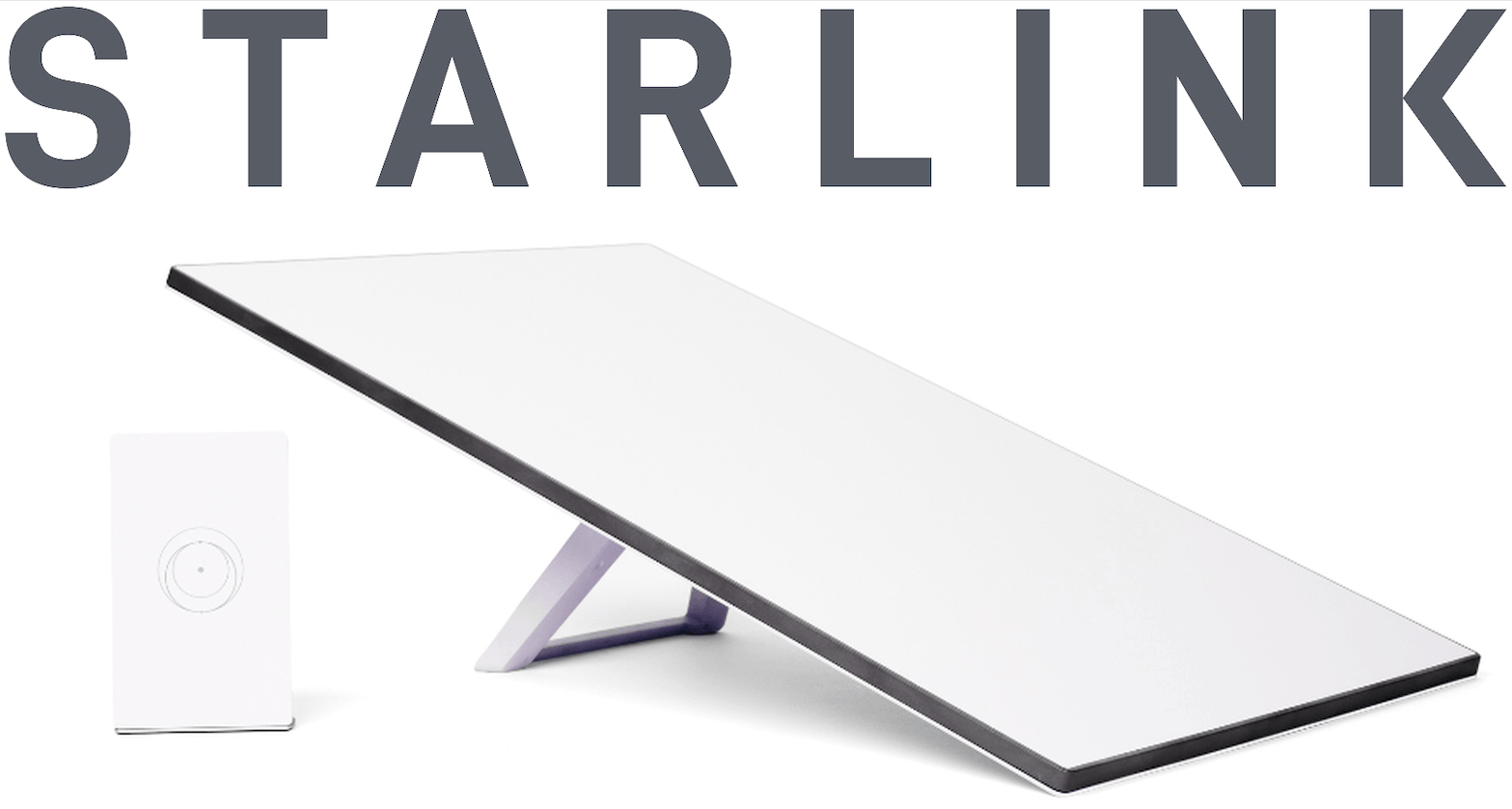
Currently, Starlink charges a one-time hardware fee of $599 for its residential kit and a monthly internet service cost of $120 for standard plans. Regional pricing may vary, and there are no long-term contracts. Starlink also offers a roaming “RV” plan and customized business packages with higher throughput—for significantly higher rates.

Amazon has not released Kuiper’s pricing publicly; however, sources close to the program indicate a cost structure designed for mass affordability. The hardware kit is projected to retail below $400, with monthly services starting around $50 to $70. These internal figures align with Amazon’s stated goal of reaching underserved communities, including large sections of rural Louisiana.

Technical Infrastructure: Deployment and Coverage Strategy

Starlink operates with an advanced fleet of over 5,000 satellites already in orbit. The system uses phased-array antennas and peer-to-peer satellite communication enabled by laser links in some of the newer units. Ground stations complement this setup, handling routing and backhaul to internet hubs on Earth.

Project Kuiper plans to launch a constellation of 3,236 LEO satellites. The initial batch of production satellites, KuiperSat-1 and KuiperSat-2, launched in October 2023, verified critical transmission and routing technologies. Amazon uses custom silicon in its Kuiper Central Processing Unit (KCPU), tuned for high-volume, low-latency data handling. Unlike Starlink, Kuiper will lean heavily on integration with AWS cloud infrastructure and edge data centers to reduce latency and improve routing.

User Hardware and Ease of Setup

Kuiper’s focus on simplicity and low-power consumption hardware reflects Amazon’s mass-scale vision. With integrated software paired to Alexa-enabled devices and Echo routers, setup and diagnostics will likely rely on familiarity with existing Amazon ecosystems—another differentiation from Starlink’s relatively platform-neutral app.

Breaking Down Costs: Amazon Satellite Internet Pricing in Louisiana

Estimated Monthly Service Fees

Amazon's Project Kuiper has not yet released official pricing, but internal filings with the FCC and statements from the company suggest a competitive pricing model is in development. Analysts from Morgan Stanley and Ars Technica expect Amazon to target a monthly subscription fee between $70 and $100. This places Kuiper in direct competition with Starlink, which currently charges $120/month in many parts of rural Louisiana.

Amazon has openly stated its goal to provide "affordable broadband access," pointing toward lower pricing tiers as a strategic objective. Given Amazon’s established ability to operate on narrow profit margins—a hallmark of its e-commerce dominance—projected subscription costs for Louisiana residents are expected to remain below or at the mid-range of satellite internet industry standards.

Equipment and Installation Costs

Based on information released in Kuiper’s FCC filings, Amazon’s customer terminal—dubbed the “ultra-compact phased array antenna”—is expected to have a production cost of less than $400. In comparison, Starlink’s customer kits retail for $599 (as of early 2024) plus shipping and handling. Kuiper aims to undercut this significantly.

Louisiana households with older infrastructure or complex home setups may require professional assistance, but in most cases, users will be able to install and activate Kuiper service independently.

Subsidy Options for Low-Income Households

Amazon plans to participate in the Affordable Connectivity Program (ACP), a federal initiative administered by the FCC. The ACP provides up to $30/month off broadband bills for eligible households, and up to $75/month for those on qualifying Tribal lands.

In Louisiana, where nearly 18% of households fall under the federal poverty line and many rural regions remain underserved, ACP participation can substantially lower barriers to access. Coupling ACP benefits with a low-cost Kuiper subscription could bring fees down to as low as $40/month for tens of thousands of households across the state.

Amazon’s Approach vs. Competitors

Project Kuiper’s pricing strategy reflects a long-term ecosystem play rather than front-loaded capital recoupment. Where competitors like Starlink emphasize speed performance and early adopter pricing, Amazon’s model aligns with scale and affordability. Integration with Amazon’s existing Prime, AWS, and retail systems may further lower effective costs through bundled offerings.

Competitively, Kuiper's lower equipment pricing, planned participation in subsidy programs, and Amazon’s logistics network position it as a high-volume, low-margin service. This contrasts sharply with OneWeb’s enterprise-first model and Starlink’s premium brand positioning.

Shaping a Connected Future for Louisiana

Amazon's entry into the satellite internet arena through Project Kuiper signals a defining shift for Louisiana’s digital infrastructure. By deploying a constellation of low Earth orbit (LEO) satellites, Amazon promises to erase longstanding gaps in internet coverage and performance—especially in areas that conventional broadband has failed to reach.

This initiative won't just expand access. It will upend the digital status quo across rural parishes, river towns, and coastal communities. Satellite internet, delivered through Kuiper’s advanced network, will introduce faster service, wider reach, and competitive pricing models long absent from Louisiana's challenging geographies. With better connectivity, local economies can diversify, remote education becomes more reliable, and telehealth services find a stable channel for growth.

Infrastructure transformation on this scale needs participation at every level—from state broadband offices to households exploring their options. Amazon has already started initiating public-private collaborations, but residents can act now to evaluate readiness and get ahead of the curve.

What’s next for Louisiana residents?

Where in Louisiana is connectivity still a challenge for you—north of I-20, deep in Cajun Country, or on the edges of the Atchafalaya? Use those insights to prepare. Project Kuiper is not a distant promise. The orbit is being built now.