AirTime Fairness 2026: Everything About it
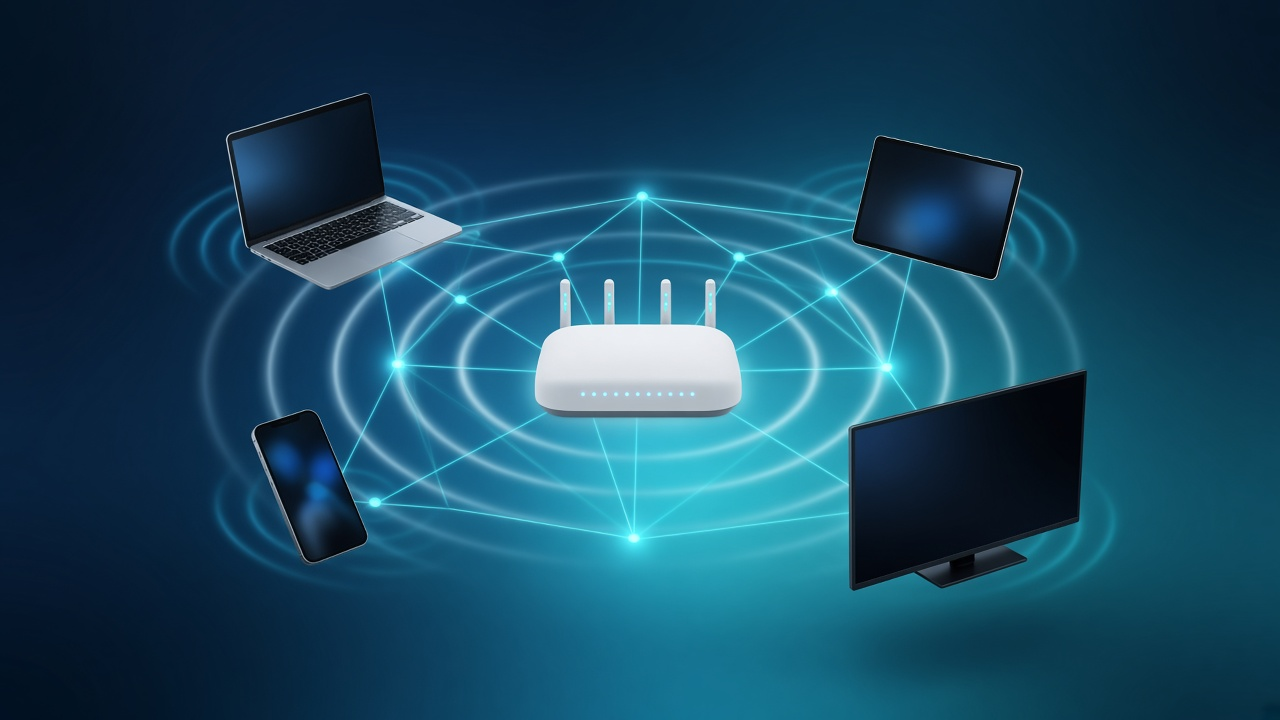
Wireless technology revolutionized the way devices connect, granting the freedom to access the internet without the constraints of physical wires. Wi-Fi operates by using radio frequencies to transmit data between devices and network routers, creating a versatile and easy-to-use networking environment. Efficient bandwidth distribution stands as a hallmark of optimal network performance, ensuring fast and reliable internet access across multiple devices. With the advent of AirTime Fairness, networks can achieve greater efficiency, enhancing the user experience by regulating the time each device has to communicate with the router. Grasping the nuances of AirTime Fairness can significantly improve the functioning of both personal and professional wireless environments.
The Role of Quality of Service (QoS) in Wi-Fi Networks
Quality of Service, commonly known as QoS, serves as a pivotal mechanism in the performance of Wi-Fi networks. This network feature enables the prioritization of certain types of traffic, ensuring that high-priority tasks receive the necessary bandwidth for optimal performance. QoS effectively manages available bandwidth and reduces latency, which can be especially critical for applications requiring real-time data transmission, such as video conferencing or online gaming.
AirTime Fairness (ATF), a specific aspect of QoS, enhances overall user experience by equalizing the distribution of airtime among connected devices. Unlike traditional methods that allocate bandwidth based on data rates, ATF aims for equitable time allocation, thereby mitigating situations where slower devices impede the network's efficiency. The incorporation of ATF into QoS strategies guarantees that faster devices are not unjustly delayed by slower devices, thus optimizing the network for all users.
- QoS stands as a guardian of network efficiency, dynamically allocating resources to meet the demands of various applications.
- The implementation of ATF within QoS parameters assists in preventing network bottlenecks.
- Users experience reduced lag and buffering as ATF ensures devices with diverse capabilities can coexist without detrimental effects on the network.
Employing QoS protocols inclusive of ATF proves especially advantageous in environments saturated with a multitude of Wi-Fi-enabled devices. For instance, corporate settings or educational institutions benefit immensely from this level of refined traffic management. The outcome is a smooth, uninterrupted connectivity experience that supports a variety of simultaneous activities across a diverse array of devices.
The Impact of Network Standards on AirTime Fairness
The IEEE 802.11 set of standards underpins the entire framework for wireless networking, affecting how AirTime Fairness (ATF) is operationalized. These standards dictate the behavior of wireless networks, including how access points manage the time that each connected device is allotted for data transmission. As network standards evolve, so do the capabilities and effectiveness of ATF policies.
Examine the IEEE 802.11 standards and their relevance to ATF
The IEEE 802.11 standards are critical in defining the communication protocols for wireless networking. Among these standards, the 802.11n (Wi-Fi 4) and 802.11ac (Wi-Fi 5) are significant for ATF because they support multiple input multiple output (MIMO) technologies, allowing multiple devices to send and receive data simultaneously. However, the latest standard, 802.11ax (Wi-Fi 6), introduces enhanced mechanisms for sharing airtime more efficiently, directly impacting how ATF is implemented and how well it performs.
Explain how these standards shape the performance of wireless networks
Different standards integrate ATF in unique ways. For instance, Wi-Fi 5 improved on the performance of its predecessors by offering a more robust method for supporting ATF and managing network resources. Wi-Fi 6 goes even further by integrating OFDMA (Orthogonal Frequency Division Multiple Access), which allocates channels to devices based on real-time network demands, thereby optimizing the airtime each device receives. This allocation can boost overall network efficiency, prevent bottlenecks, and reduce latency for all users.
In a multi-user environment, the improved standards reduce the time waiting for slow devices to transmit data, thus curtailing the domino effect created by such inefficiencies.
Optimizing AirTime Fairness: A Guide to AP Configuration
Configuring access points (APs) for AirTime Fairness (ATF) entails meticulous adjustments to the network devices governing wireless communications. A step-by-step approach harmonizes the AP configuration with ATF protocols. Initially, administrators access the AP's setting interface, typically through a web browser or specialized software. The next move involves locating the wireless settings section where ATF can be activated. Specific firmware may necessitate firmware updates to support ATF. After activation, parameters like bandwidth limitations, client limits, and acknowledgment timeouts require adjustment for optimal ATF performance.
In environments where numerous users compete for bandwidth, the precise setup of APs drastically influences overall network efficacy. APs that are not correctly configured can lead to uneven distribution of airtime, adversely affecting some users. Conversely, carefully calibrated APs ensure equitable access to airtime and maintain high-quality service for all connected devices. This balance fosters an environment where all clients, irrespective of their data demands, obtain fair network access time, thereby enhancing user experience.
While configuring APs to champion ATF, diverse device capabilities must be considered. Advanced APs can discern and prioritize devices based on their specifications, catering to the needs of both high-speed and slower devices. This distinction assists in mitigating network latency and throughput issues, ultimately fostering a robust and responsive network. Completing these configurations leads to a network architecture that maximizes both the performance and the fairness of wireless communications within a multi-user domain.
Deciphering Algorithms that Drive AirTime Fairness
Wireless networks employ a variety of algorithms to enforce AirTime Fairness (ATF), each designed to ensure equitable airtime distribution among connected devices. These algorithms are foundational in mitigating instances where slower devices dominate connection time, which disproportionately impacts the network's overall throughput and performance. Addressing airtime allocation challenges, they carefully evaluate the transmission needs and adapt in real-time to the fluctuating wireless landscape.
Basic Types of ATF Algorithms
Defining the operational framework for ATF are two distinct types of algorithms: static and dynamic. Static algorithms assign fixed time slots for devices, disregarding the varying bandwidth needs. Conversely, dynamic approaches assess the real-time data demands, allotting airtime accordingly to optimize network efficiency and user experience.
Comparing ATF Algorithms
Static algorithms, characterized by their predefined parameters, offer consistency but lack flexibility. They operate on a simple principle; device transmission times are pre-set, potentially leading to sub-optimal performance when user demand is dynamic. In stark contrast, dynamic algorithms shine by automatically adjusting to the network’s current demands, providing more fluid and responsive airtime allocation that can readily cater to sudden shifts in data requirements.
The stark comparison illustrates an evolution from a rigid framework to a more adaptable and efficient strategy. Specifically, protocols such as enhanced distributed channel access (EDCA) under IEEE 802.11e exemplify dynamic algorithms, leveraging various access categories to prioritize traffic based on urgency and importance.
- Static Allocation: Simplifies management but may result in inefficient use of resources during uneven demand periods.
- Dynamic Allocation: Requires a more complex management system yet significantly boosts overall network performance by prioritizing traffic based on real-time analysis.
Consider dynamic ATF as a maestro of an orchestra, controlling the pace and entrance of instruments to create harmony. As network conditions fluctuate, dynamic ATF algorithms orchestrate device access to the airwaves, creating a symphony of balanced and efficient communication.
Unraveling the Mechanisms of Traffic Management
Traffic management in wireless networking employs a variety of techniques to control the flow of data between devices. Among these, methods such as band steering, load balancing, and rate limiting are utilized. Band steering directs dual-band devices to the less congested 5GHz band, effectively distributing traffic to improve overall performance. Load balancing distributes network traffic across multiple access points to optimize utilization. Rate limiting, on the other hand, restricts the data rate for different services or users to prevent network oversaturation.
Integrated with AirTime Fairness (ATF), these techniques ensure equitable distribution of airtime among devices. For instance, ATF works alongside load balancing to maintain an even distribution of network resources across a multi-access point setup. Additionally, rate limiting is complemented by ATF, as it prevents slower devices from monopolizing the airtime, thus ensuring faster devices can maintain their performance levels without being hindered by the presence of slower transmitting devices.
The union of traffic management techniques and ATF results in a more responsive and efficient network. Users experience a noticeable improvement in performance without the need for manual intervention when devices seamlessly navigate between different frequencies or access points thanks to this cohesive approach. While devices transmit at varying data rates, ATF assigns airtime proportional to their capabilities, ensuring that the entire network ecosystem operates in harmony.
- Band steering encourages efficient frequency band usage.
- Load balancing optimizes network traffic distribution across access points.
- Rate limiting controls available bandwidth per device or service.
Through the smart application of these traffic management strategies, network administrators can effectively harness ATF to improve user experience. This synergy facilitates a balanced network where all devices, regardless of their individual speeds, have a fair chance at communicating within the wireless environment.
Dealing with Network Congestion Issues
Network congestion emerges when too many devices attempt to communicate over a Wi-Fi network simultaneously, leading to a bottleneck effect. Data traffic exceeds network capacity, causing delays, packet loss, and a decline in overall network performance. These conditions frequently occur in areas with many wireless clients, such as offices, public venues, and densely populated residential spaces.
AirTime Fairness (ATF) contributes to the mitigation of these issues by ensuring equal airtime distribution among all active devices, regardless of their data rate capabilities. The protocol prevents slower devices from monopolizing airtime, which, in turn, keeps the network operating efficiently. By doing so, ATF enhances user experience by providing a more stable connection with reduced latency for everyone.
Causes of Network Congestion
- Simultaneous data requests from multiple devices can overwhelm network bandwidth.
- Legacy devices with slower data rates can consume more airtime, exacerbating congestion.
- Intensive bandwidth applications can choke the available data throughput.
- Interference from other wireless signals can cause network disruption, adding to congestion.
ATF's Alleviation of Congestion
By incorporating ATF into Wi-Fi networks, administrators can distribute airtime among devices more equitably. This method allows devices with higher data rate capabilities to operate without undue delay, as ATF prevents slower devices from clogging the network with prolonged data transmission times. This dynamically optimized airtime sharing helps maintain network speeds and reduces congestion effects, even as demand fluctuates.
Client Device Types and Capabilities
The landscape of Wi-Fi-enabled devices is vast, ranging from pervasive smartphones to smart-home devices and gaming consoles. Each device carries varied Wi-Fi capabilities that can significantly influence the overall network experience. Some support older Wi-Fi standards like 802.11b/g/n, while others are equipped with recent advancements such as 802.11ac or ax, capable of higher throughput and better performance.
AirTime Fairness (ATF) adjusts to the diverse capabilities of these devices. For instance, without ATF, legacy devices with slower data rates can disproportionately consume airtime, causing a bottleneck that hampers the performance of newer, faster devices. By implementing ATF, the access point can allocate equal airtime to devices, which tends to maximize the network efficiency rather than equally distributing bandwidth, which may lead to inefficiencies.
Different Devices, Different Demands
- Smartphones and laptops, often used for bandwidth-intensive activities, require robust data rates and more airtime for satisfactory performance.
- IoT devices typically transmit small data packets intermittently, so while they frequently require network access, their total airtime demand is lower.
ATF ensures that a device sending large data packets does not overshadow those sending small packets. This equitable time-based approach levels the field, optimizing the usage according to a device's operation principle. As a result, each device, irrespective of its Wi-Fi standard or speed, gets fair access to the network, which translates into a more predictable and smooth user experience across all connected devices.
By recognizing the broad spectrum of device capabilities, network administrators can configure ATF settings to match the specific requirements of their environment. Multifaceted devices coexisting within the same network space necessitate a dynamic approach. ATF delivers this dynamicity, managing the available airtime to accommodate diverse communication needs and capabilities efficiently.
Balancing Throughput vs. Latency
Throughput and latency together dictate the efficiency of network performance, acting as two sides of a scale that measure the success of data transmission. Throughput, or the volume of data transferred over a network at any given time, and latency, which marks the delay before a transfer of data begins following an instruction, typically have an inverse relationship. A high throughput often means more data is being processed, but may lead to increased latency. Conversely, reduced latency implies faster response times, which can sometimes result in lower throughput.
Optimizing Network Performance with AirTime Fairness
AirTime Fairness (ATF) enhances network performance by ensuring equitable distribution of airtime among all connected devices. By preventing slower devices from monopolizing airtime, ATF effectively increases throughput for newer, faster devices while maintaining lower latency across the network. Slower devices experience shorter airtime access but the intervals are often sufficient for their capabilities, allowing for minimal impact on overall user experience. This optimization mitigates the risk of faster devices stalling and ensures a consistently responsive network.
- ATF equitably allocates transmission opportunities, thus allowing higher throughput for capable devices without appreciably increasing latency.
- Network administrators observe improved network efficiency, as ATF diminishes the variance in device performance.
- Latency-sensitive applications benefit from ATF as it minimizes the likelihood of bottleneck situations where quick response times are critical.
Unveiling AirTime Fairness in Multi-User Environment Management
In high-density environments, AirTime Fairness (ATF) operates as a foundational principle ensuring equitable access to network resources. When multiple users share a wireless network, devices with slower connection speeds might monopolize airtime, causing faster devices to operate sub-optimally. ATF addresses this by allocating equal airtime to each device, rather than equal data frames, thereby streamlining overall network efficiency.
In the face of congestion, ATF deploys advanced strategies. Network administrators can tier users, giving priority to critical tasks while still maintaining fairness. By controlling the time each device spends transmitting and receiving data, ATF minimizes the risk of slower devices clogging the network, promoting a robust performance environment even as user demands fluctuate.
- By assigning airtime equitably, ATF prevents network saturation from slower devices which could otherwise extend their transmission times and degrade the performance of faster devices in the vicinity.
- ATF's dynamic handling of resources enables networks to maintain optimal performance levels in diverse environments, accommodating a mixture of device capabilities seamlessly.
As such, incorporating ATF is a strategic choice in environments where the user volume is high and device performance levels vary extensively. Users experience consistent connection quality, which is essential for both personal and professional settings that rely on wireless connectivity.
Navigating Woe: Implementing AirTime Fairness Challenges
Deploying AirTime Fairness (ATF) may seem straightforward at the outset, yet network administrators often encounter a maze of complex issues. Each wireless environment is unique, and ATF implementation is no exception to this rule, often presenting nuanced challenges that require both creativity and technical insight to overcome.
Compatibility Quagmires
One significant challenge revolves around device compatibility. Numerous client devices, especially older or more budget-friendly options, don't always play well with ATF mechanisms. The result disrupts not only their performance but also the overall network efficiency.
Uneven Performance Landscapes
Additionally, the heterogeneous nature of devices creates an uneven performance landscape. High bandwidth devices can monopolize airtime even with ATF, which means network administrators need to constantly fine-tune settings to maintain a level playing field.
Firmware and Software Skirmishes
Firmware or software limitations also hamper ATF application. Some access points may lack the necessary firmware updates, impeding ATF functions from reaching their potential, requiring administrators to seek firmware upgrades or replacement hardware.
Configuration Complexity
Accurate configuration is another hurdle. ATF requires adept handling of network settings; a misstep could lead to degraded service. Mastery over these configurations ensures that ATF contributes positively to network throughput and latency.
Monitoring and Managing the Gauntlet
Consistent monitoring and management form the backbone of successful ATF implementation. Recognizing when to adjust ATF parameters in response to changing network conditions plays a key role in maintaining network quality.
Possible Remedies
- With a view to mitigating these challenges, updating client devices or promoting the use of up-to-date technology among users can serve as a foundational step.
- Regularly updating AP firmware ensures compatibility and maximizes ATF efficiency.
- Investing in advanced network management tools can simplify ATF configuration and ongoing adjustments.
- Professional training for network administrators on ATF implementation can also prove invaluable.
At their core, these strategies represent more than mere fixes; they are pivotal steps toward refining ATF to meet the demands of advanced wireless networking. The implementation of ATF, despite its complexities, grants the forethought to achieve equitable bandwidth distribution across all devices.
Mastering AirTime Fairness: A Final Walkthrough
Equipping one's wireless network with AirTime Fairness (ATF) transcends mere technical enhancements; it aligns with providing equitable Internet experiences across varied devices. Addressing ATF's critical role in network performance, this content has dissected its influence on bandwidth allocation, its integration within Quality of Service protocols, and its presence across different network standards and configurations. By understanding the intricate algorithms that govern ATF and the traffic management techniques that complement it, network administrators can skillfully combat congestion, aptly managing multi-user environments. Moreover, recognizing the diversity in client device capabilities fosters a perceptive approach to achieving a balance between throughput and latency.
Reflecting on the potential challenges when implementing AirTime Fairness, including the decision to enable or disable it, can inform network strategies. While disabling ATF might benefit certain scenarios, engaging it typically leads to a more democratized wireless access allowing for a more consistent network performance for all devices. Router support for ATF often stands as a testament to a device's commitment to advanced network management, anchoring its relevance in the groundwork for future advancements in Internet access and Wi-Fi technology.
Considering ATF features when selecting Wi-Fi products could be a decisive step towards cultivating an advanced, reliable, and fair network environment. Should questions arise on the configuration or optimization of AirTime Fairness settings, reaching out to support teams proves to be a practical solution, paving the way for an improved access experience.
Embrace ATF for Your Network's Equity
Are AirTime Fairness features part of your network's vocabulary? If uncertain, examining the Wi-Fi products at your disposal might reveal untapped potential waiting to enhance your network's performance. Engage with the intricate world of ATF by consulting product documentation or seeking the expertise of support teams, equipped to steer your network towards optimal fairness settings.
Resources and Further Reading
- Discover articles delving deeper into AirTime Fairness algorithms and their real-world applications.
- Gain insight from research papers underscoring the evolution of ATF and its significance in wireless technology.
- Review product documentation for comprehensive guides to enable or fine-tune ATF on your devices.
FAQs Section
In this section, find answers to prevailing questions about ATF, from compatibility concerns to troubleshooting steps for enabling or disabling this feature. Let this knowledge cement your understanding of AirTime Fairness and its workings within your network.