What Is 5G Standalone, and What Does It Mean for Home Internet?
By RSINC editorial team | Updated
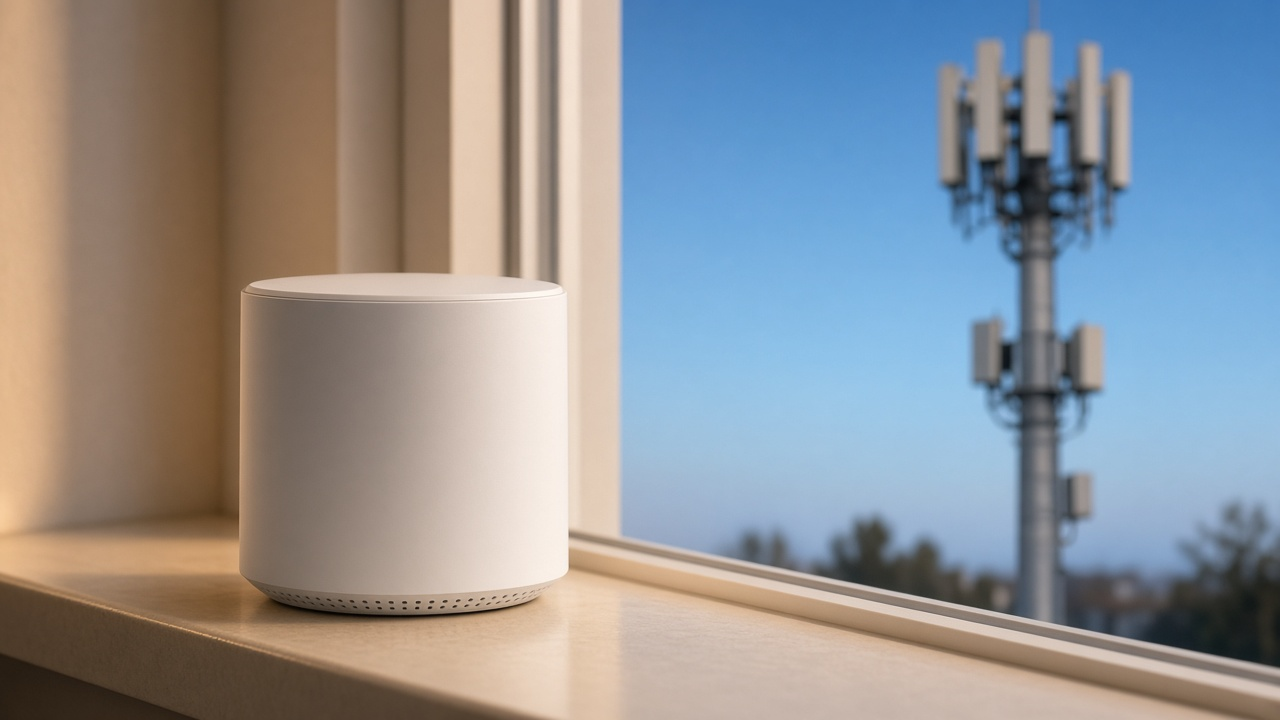
5G Standalone, often shortened to SA, uses a 5G radio network with a 5G core. Non-standalone 5G uses a 5G radio connection anchored to the existing LTE core. The difference concerns the mobile network behind your connection; it does not by itself establish that a particular home qualifies for service.
What changes with a 5G core
Ericsson describes standalone architecture as a foundation for capabilities including network slicing and enhanced fixed wireless access. Those capabilities can support service improvements, but their presence in a technology description does not establish a household speed, a retail plan feature or support in a specific gateway.
Ask which equipment and service configuration apply to your address. A phone's 5G indicator alone is not a measurement of your home's gateway connection. Compare the actual product terms and equipment documentation rather than treating every use of the 5G label as identical.
What the October mobile measurements show
In its October 20, 2026 U.S. analysis, Opensignal reported that its 5G users had access to standalone connections 71.2% of the time on T-Mobile, 20.2% on Verizon and 4.4% on AT&T. These are observed mobile-user availability measures, not percentages of homes that can order a fixed wireless plan.
The study found improved download speeds and latency on standalone compared with non-standalone across the three operators. Upload results varied: Verizon's standalone upload result was slightly lower. The research therefore does not support a claim that standalone always improves every measure, or that these mobile results predict a particular home's performance.
Questions to ask about home internet
Give the provider the complete service address and the exact gateway model. Ask whether standalone operation is supported and enabled for that product at that location. Request the answer for your installed equipment rather than a general statement about the provider's nationwide network. This guide does not confirm SA support for any named gateway.
Follow the provider's installation and update instructions. Do not buy a replacement gateway solely because a mobile-network article reports better averages. First establish whether the replacement is approved for your plan and whether it changes the specific limitation you are experiencing.
Test the result you actually need
Record download, upload and response-time results at comparable times. Separate a device's Wi-Fi connection from the gateway's mobile connection, and note whether the issue affects one device or the household. Test evening use as well as quieter periods. Our evening slowdown guide and 5G home internet troubleshooting guide can help structure the checks.
Before switching providers, compare expected service, equipment charges and cancellation terms for your address. Review network priority separately from standalone architecture. Signal, congestion, equipment and plan eligibility still matter; ZIP screening is only a starting point.
Frequently asked questions
What does standalone mean?
A 5G radio network connects to a 5G core.
Do mobile availability percentages prove home availability?
No. They describe the study's mobile users, not address-level fixed wireless eligibility.
Does SA always improve uploads?
No. Opensignal's October comparison reported different upload outcomes among operators.
Is my gateway's SA support confirmed here?
No. Ask the provider about the exact model, plan and location.
Should I replace equipment based on a national average?
First verify compatibility and identify the limitation affecting your own connection.
For help comparing internet at your address, call RSINC at 1-877-697-2926 or compare local providers.
Reviewed November 3, 2026. Availability, prices and terms can change.