T-Mobile Is Buying More 600 MHz Spectrum From Bluewater: What It Means for Your Signal
By RSinc Staff | Updated
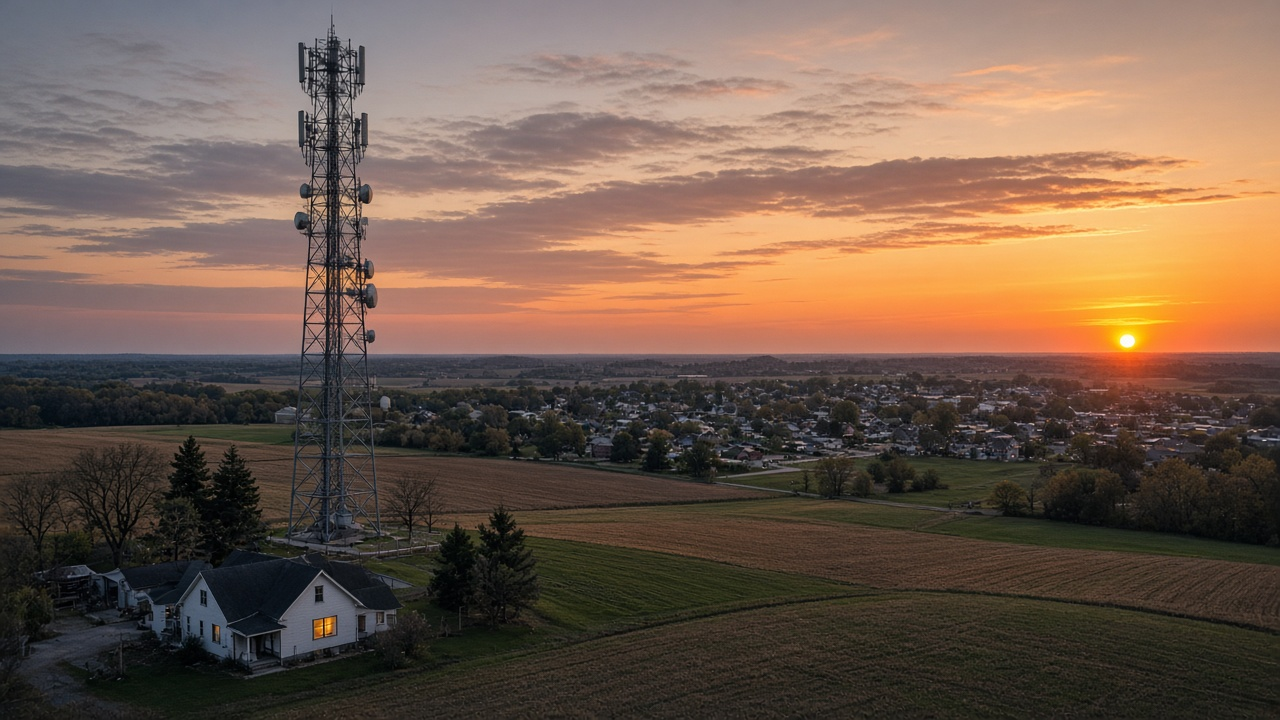
T-Mobile is adding more low-band spectrum to its 5G network. The company has filed with the FCC to take over 58 600 MHz licenses from Bluewater Wireless that cover 435 counties in 27 states. Here is what the deal is, when it could make a difference, and what it means for phones and 5G home internet in the areas covered, as of November 20, 2026.
What T-Mobile is buying
Bluewater won these licenses in the FCC's 2017 600 MHz auction, paying $568 million for 66 licenses, including the 58 in this deal. News coverage reports the transfer would add about 10 MHz of 600 MHz spectrum in most of the covered areas, and up to 20 MHz in a few markets, including parts of Colorado. The price T-Mobile is paying was not disclosed.
T-Mobile said in a statement that the spectrum "will help us deliver even more capacity and better 5G performance for customers in the areas covered by these licenses." It said it filed with the FCC on November 12 and wants to put the spectrum to use as quickly as possible, subject to regulatory approval.
How soon it could help
The FCC still has to approve the transfer. In the meantime, T-Mobile and Bluewater signed a short-term lease that, according to the filing as reported, starts 10 days after the application was filed and runs for one year. That could let T-Mobile begin using the spectrum before the FCC finishes its review.
What 600 MHz does for coverage
Low-band spectrum like 600 MHz travels farther and passes through walls better than higher frequencies. That makes it valuable for rural coverage, highways and indoor signal. The trade-off is speed. An analyst's review of speed test data in the affected counties, cited in news coverage, found that T-Mobile 5G speeds on 600 MHz were about seven times slower than on its 2.5 GHz mid-band spectrum. More 600 MHz mostly means more reliable coverage and more room for users, rather than dramatically faster peak speeds.
What it means for 5G home internet
T-Mobile's home internet shares the same network as phones, so extra capacity can help reduce slowdowns during busy hours in areas that rely on low-band coverage. It is unlikely to turn a weak home internet signal into a fast one by itself, since mid-band spectrum carries most of the speed. If you are on 5G home internet in a rural area, see how to boost 5G home internet speed and why 5G home internet slows at night.
Why the deal matters beyond T-Mobile
Low-band spectrum has become more valuable as satellite and wireless companies look for ways to reach phones in rural areas. News coverage noted the deal keeps these licenses away from other bidders, including SpaceX, which has been seeking spectrum of its own. See our coverage of the T-Mobile and SpaceX satellite partnership for background.
Compare 5G home internet and other options at your address
See whether T-Mobile, other 5G home internet or wired providers serve your home.
Frequently asked questions
What is T-Mobile buying from Bluewater?
T-Mobile filed with the FCC to take over 58 Bluewater Wireless 600 MHz licenses covering 435 counties in 27 states. The price was not disclosed.
When will the new spectrum be used?
T-Mobile and Bluewater signed a short-term lease that, as reported from the filing, begins 10 days after filing and lasts one year, so T-Mobile could start using it before FCC approval of the full transfer.
Will this make T-Mobile faster?
Mostly it adds coverage and capacity. 600 MHz travels far and through walls, but it is much slower than mid-band spectrum, so peak speeds will not change much.
Does this help T-Mobile 5G home internet?
It can help with capacity and coverage in affected rural areas, but mid-band spectrum carries most home internet speed.
Which areas are covered?
The licenses cover 435 counties in 27 states. A county-by-county list was not published by T-Mobile; news coverage noted some Colorado markets gain up to 20 MHz.