Is the Internet Salesperson at Your Door Legit? How to Check Before You Sign
By RSinc Staff | Updated
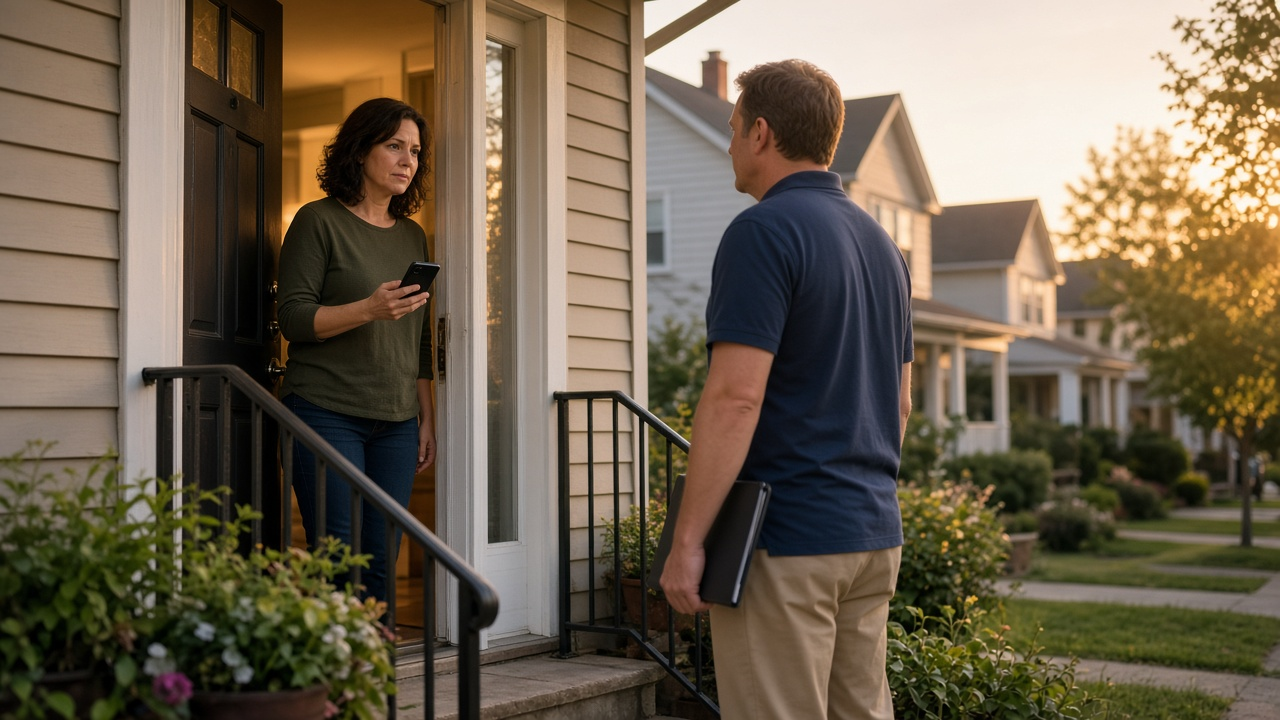
Door-to-door sales are common again as fiber companies race to sign up new neighborhoods, and many of the reps you meet are legitimate. Scammers know that too. A few minutes of checking can tell you whether the person on your porch works for a real provider and whether the offer is what it sounds like.
Signs the salesperson is probably legitimate
- The provider actually builds or sells service on your street, which you can confirm yourself on the provider's own website.
- The rep shows a company ID badge and gives you a name you can verify by calling the provider's main customer service number, not a number the rep gives you.
- The rep is happy to leave a printed offer or a link so you can sign up later on your own.
- You are not asked to pay anything on the spot.
Red flags that point to a scam or a bad deal
- A demand for payment at the door, especially by gift card, payment app or cash.
- Requests for your Social Security number, bank login or current provider password.
- Claims that your current service is "being shut off" today unless you switch now.
- A "fiber" offer that turns out to be cable, DSL or a wireless plan once you read the fine print.
- Pressure to sign a tablet without seeing the full price, contract length and fees.
If something feels wrong, close the door and check on your own. Our guides to spotting AI phone scams and fighting scam calls cover the same tricks used over the phone.
What to get in writing before you sign
- The monthly price for the first year and after any promotion ends.
- Every fee, including equipment, installation and any cost-recovery fees.
- Whether there is a contract and what it costs to cancel early.
- The connection type, plus download and upload speeds.
- The installation date and what the installer will do on your property.
Our checklist of what to check before signing an internet contract goes into more detail, and the broadband facts label shows the standard price breakdown every provider must publish.
Your three-day right to cancel a home sale
The Federal Trade Commission's Cooling-Off Rule generally lets you cancel a sale of $25 or more made at your home until midnight of the third business day after the sale. The seller is supposed to tell you about that right and give you a cancellation form and a dated copy of the contract. The rule has exceptions, and providers may have their own trial or return terms, so read the paperwork and keep a copy.
How to check the offer yourself
Thank the rep, take the flyer, and look up your address on the provider's own website or call its main number. If the price and speed match, you can sign up directly. You can also see every provider at your address and compare the offer to what else is available. Learn how to check coverage before you sign up, and see whether a provider can install equipment on your property.
Check the offer against every provider at your address
See which providers really serve your home before you sign at the door.
Frequently asked questions
Do internet companies really sell door to door?
Yes. Some fiber and cable providers use door-to-door reps, especially in neighborhoods where they have just built new lines. Verify the rep with the provider's main customer service number before you share personal details.
Should I pay a door-to-door internet salesperson?
No. Legitimate providers bill you after service starts or take payment through their own website or app. Do not pay cash, gift cards or payment-app transfers at the door.
Can I cancel an internet plan I signed up for at my door?
The FTC Cooling-Off Rule generally gives you until midnight of the third business day to cancel a sale of $25 or more made at your home. Check your paperwork for the cancellation form and the provider's own terms.
How do I know if the offer is really fiber?
Ask the rep to show the connection type in writing, and check the provider's broadband facts label for your address. Real fiber usually has upload speeds close to download speeds.
What should I do if I think it was a scam?
Do not share more information, contact your bank if you paid, and report it to your state attorney general and the FTC. Call your real provider to check your account.