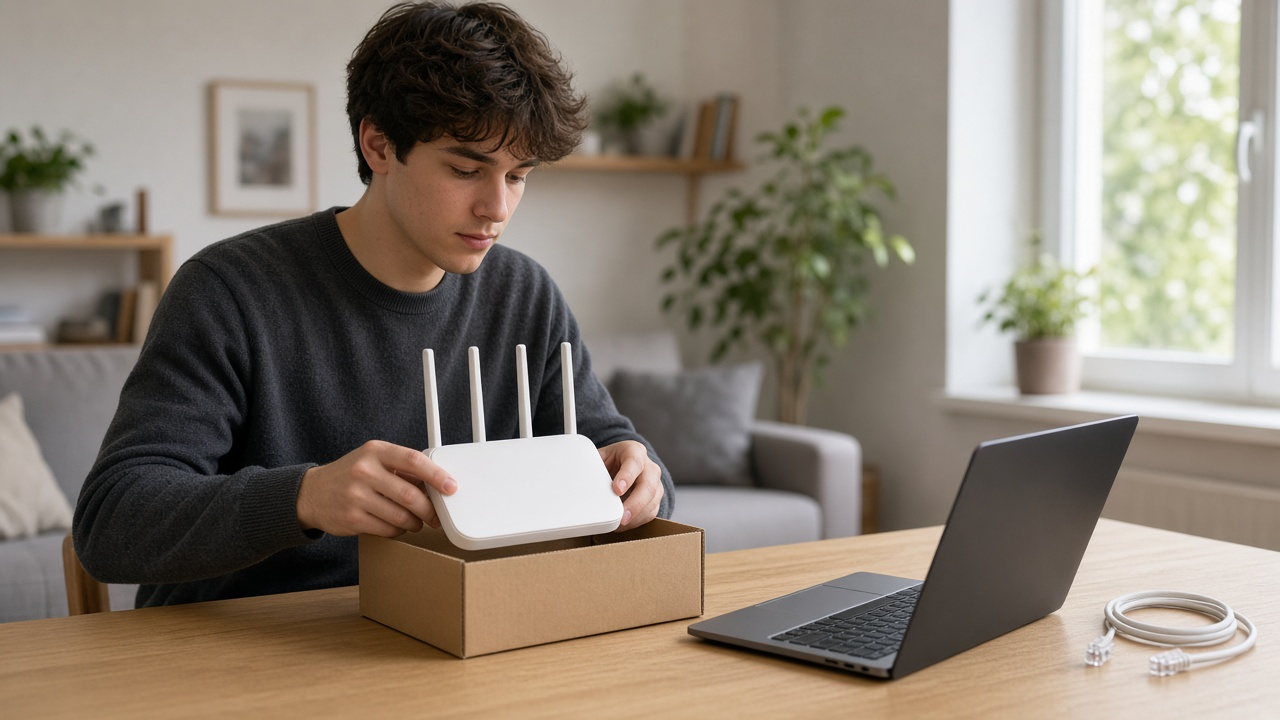
FCC Router Ban: What Routers Can You Still Buy (and Keep)?
Shopping for a new Wi-Fi router during Amazon's Prime Big Deal Days on October 6–7, or just tired of dead zones? You may have heard that the FCC "banned" foreign-made routers. The good news: you can still buy plenty of routers, and the one you own is fine to keep using.
Here's what the rule actually does, what changed in late September, and how to shop for a router with confidence. Details are current as of September 30, 2026.
The quick version
- Your current router is fine. The FCC says consumers don't need to do anything, and there are no restrictions on using routers you already own.
- Store shelves aren't being cleared. Router models the FCC authorized before the rule took effect can still be imported, sold, and used.
- New models face new rules. Since March 23, 2026, new consumer router models produced outside the U.S. can't get FCC authorization unless they receive a "Conditional Approval" from federal security agencies.
- Many brands have approvals. A growing list of router makers has conditional approval for newer models, and industry groups keep getting waivers.
What the FCC router rule does
On March 23, 2026, the FCC added consumer routers produced in foreign countries to its "Covered List." That list covers communications equipment that national security agencies have found to pose unacceptable risk. The FCC pointed to past cyberattacks that exploited home and small-office routers.
Being on the list means a device can't receive new FCC equipment authorization. Most electronics need that authorization before they can be imported or sold in the U.S. The rule targets new models. It doesn't recall or ban devices that were already authorized.
A few details matter for shoppers:
- "Produced" is broad. It includes design and development as well as manufacturing and assembly. A router from a U.S. company can still count as foreign-produced if key steps happen overseas.
- It's about home gear. The rule covers consumer-grade routers meant for residential use that customers can install themselves. Enterprise equipment isn't included.
- ISP gateways count too. The FCC says internet provider gateways that combine a modem and router in one box are within the rule's scope.
- Updates can continue. Under an FCC waiver, covered routers can keep getting basic software and firmware updates.
What changed in September
On September 23, 2026, the FCC's engineering office granted expedited waivers to two major industry groups, CTIA and USTelecom. The waivers let their members' suppliers make certain hardware changes to previously approved routers and gateways, such as swapping memory chips or replacing parts that are no longer made. They're good for one year.
Why does that matter to you? Router makers have been dealing with memory shortages and parts reaching end-of-life. Without waivers, even small component swaps could require new approval. That could slow down the supply of popular models or the gateways your internet provider hands out. These waivers join others already granted to individual companies and cable industry groups.
New router, same slow internet?
A better router can't fix a slow plan. Share your ZIP code and we'll help you compare internet speeds and prices available at your address.
Which routers can you still buy?
Short answer: nearly everything you'll see from a mainstream retailer. There are three groups:
- Previously authorized models. Any router the FCC authorized before the rule took effect can still be sold. Look for an FCC ID on the box, label, or product listing.
- Models with Conditional Approval. Federal agencies have approved specific routers or product lines from companies including Netgear, eero, Asus, Nokia, and Starlink, along with makers of many internet provider gateways. Approvals have end dates, but devices authorized during an approval window can keep being sold after it ends.
- Routers produced in the U.S. These don't need conditional approval, though very few consumer routers qualify today.
What to avoid: gray-market imports without an FCC ID. A new model that never received FCC authorization generally can't be legally used in the U.S., even if you can find it on a marketplace site.
How to shop for a router right now
- Match the router to your plan. For plans up to about 1 Gig, a good Wi-Fi 6 or newer router works well. For multi-gig fiber, look for a 2.5 Gbps or faster WAN port and Wi-Fi 6E or Wi-Fi 7.
- Go mesh for bigger homes. If you have dead zones on another floor or at the far end of the house, a mesh system usually beats a single powerful router.
- Check the FCC ID. Stick with listings that show an FCC ID and are sold by the retailer or the brand.
- Check update support. Pick a brand that regularly releases security updates and turns on automatic updates by default.
- Ask your provider first. Many internet plans include a gateway, sometimes with an equipment fee. Before buying, confirm your provider allows your own router and whether you'll need to put their gateway in bridge mode.
Should you buy now or wait?
There's no need to panic-buy. Authorized routers aren't disappearing, and new models are still arriving through conditional approvals. If your router is several years old, no longer gets security updates, or can't keep up with your internet plan, a Prime Day sale is a reasonable time to upgrade. If your current router works well and still gets updates, you can keep it.
Whatever you decide, a few basic steps make any router safer: change the default admin password, use a strong Wi-Fi password, and keep firmware updated.
Frequently asked questions
Is my router banned?
No. The FCC says consumers can keep using routers they already own, and there are no restrictions on that use.
Can I still buy a TP-Link router?
Yes, for models that already have FCC authorization. The rule applies to new models from every brand produced outside the U.S. unless they receive conditional approval, so check for an FCC ID.
Does the ban affect my internet provider's gateway?
Your current gateway keeps working. New gateway models fall under the rule, which is why providers and their equipment suppliers have sought waivers and approvals.
How do I know if a router is approved?
Look for an FCC ID on the device, box, or listing. Previously authorized models and models with conditional approval can be sold legally.
Will routers get more expensive?
It's too early to say. Parts shortages and approval costs could affect prices over time, but plenty of models are still on sale.
Upgrade your internet, not just your router
Tell us your ZIP code and how many people and devices use your Wi-Fi, and we'll help you find a plan that fits.