Amazon Satellite Internet Maryland 2026

Project Kuiper is Amazon’s satellite broadband initiative aimed at building a constellation of 3,236 low Earth orbit (LEO) satellites. The goal: create a global communications network that delivers high-speed internet to underserved and remote communities. The name pays homage to Gerard Kuiper, a pioneering planetary scientist, though ironically, none of the satellites will operate in the Kuiper Belt.

Amazon plans to invest over $10 billion into Kuiper, with satellite production headquartered in Kirkland, Washington. In April 2023, Amazon announced the start of satellite prototype testing after launching two test units—KuiperSat-1 and KuiperSat-2—into orbit aboard an Atlas V rocket.

Goals: Affordable, High-Speed Internet for Underserved Regions

The primary mission of Project Kuiper centers on closing connectivity gaps. Hundreds of millions of people worldwide still lack reliable internet access, particularly in rural and geographically challenging areas. In Maryland, this includes portions of the Eastern Shore, Western Maryland, and Appalachian foothills.

By deploying LEO satellites that orbit at an altitude of 590 km to 630 km, Kuiper aims to minimize latency and maximize coverage. Amazon has stated that user terminals—ground equipment used to connect to the Kuiper network—will cost less than $500 to produce, with speeds up to 400 Mbps.

Comparison to Starlink and Other Satellite Ventures

Project Kuiper enters a competitive field already populated by SpaceX’s Starlink, OneWeb, and Telesat's Lightspeed. Yet key differentiators separate Kuiper from the rest.

Unlike Starlink, which sells direct-to-consumer, Amazon may lean heavily into enterprise, government, and education sectors, leveraging its AWS cloud infrastructure for integrated services.

Key Partnerships and Milestones

Since 2022, Amazon has forged several technology and launch alliances critical to Kuiper's build-out:

By the end of 2024, Amazon expects to begin beta testing with commercial and public-sector customers including schools, hospitals, and community anchor institutions—Maryland included. The company publicly committed to leveraging the program in support of the FCC’s Rural Digital Opportunity Fund (RDOF) objectives.

LEO Satellites Explained: How Internet is Delivered from Space

The Science Behind Low-Earth Orbit Satellites

Low-Earth Orbit (LEO) satellites operate between 200 to 2,000 kilometers above Earth's surface. Unlike geostationary satellites, which remain locked over a fixed point 35,786 kilometers away, LEO satellites circle the planet in roughly 90 to 120 minutes. This rapid movement allows for near-global coverage through the use of satellite constellations—hundreds or even thousands of small interconnected satellites operating in synchronized orbits.

Amazon’s Project Kuiper, for instance, plans to deploy 3,236 satellites into LEO tiers. This network will allow the system to deliver signals to and from Earth using phased array antennas. These antennas don’t need moving parts; they steer beams electronically, offering precise, real-time direction of data streams to user terminals.

Why LEO Signals Matter More Than Ever

The advantages of LEO satellites over traditional geostationary systems come down to physics and engineering. By being closer to the Earth, LEO satellites drastically reduce the time it takes for internet data to travel. Latency—the lag measured in milliseconds between sending and receiving a data packet—is one of the major performance indicators for internet quality.

In geostationary satellite systems, latency typically ranges from 600 to 800 milliseconds. That’s noticeable in two-way applications like video conferencing or real-time gaming. LEO systems, on the other hand, achieve latencies as low as 20–40 milliseconds, matching or surpassing average terrestrial broadband, according to data from SpaceX Starlink beta users and comparable benchmarks expected for Project Kuiper deployments.

Into the Numbers: Specs, Bandwidth, and Coverage

Each LEO satellite in Amazon’s envisioned constellation will weigh around 600 kg and operate in Ka-band frequencies—specifically between 17.7 to 20.2 GHz for downlink and 27.5 to 30.0 GHz for uplink. The high frequency supports high-throughput communication, enabling gigabit per second data rates.

With satellites positioned across multiple orbital altitudes and inclinations, this structure allows for global redundancy and resiliency. Maryland will fall under high-priority service zones, especially in underserved or hard-to-wire areas like the Appalachian region.

Beyond Internet: LEO's Role in Earth Science and Monitoring

Federal agencies like NASA rely on LEO for satellite-based Earth observation missions. These include systems like Landsat, Terra, and the upcoming Earth System Observatory. Data gathered from these platforms power climate models, monitor natural disasters, and track land-use changes.

Terra, launched in 1999, operates in a sun-synchronous LEO orbit, meaning it crosses over the equator at the same local solar time every day. This consistency enables comparative daily observations—ideal for detecting subtle environmental shifts. Its instrumentation suite, including MODIS (Moderate Resolution Imaging Spectroradiometer), captures detailed imagery of Maryland’s forests, urban spread, rainfall patterns, and coastal behavior in the Chesapeake Bay.

So when Amazon deploys Kuiper satellites into LEO, the groundwork laid by decades of scientific missions ensures the architecture is proven. The overlap between Earth science and infrastructure innovation continues to deepen.

Satellite Internet in Maryland: What Residents Can Expect

Availability Timeline for Maryland

Amazon plans to begin its Project Kuiper service rollout in the second half of 2024, targeting initial coverage across the United States. Maryland falls within the continental U.S. zone, making it part of the early deployment phase. By late 2024 to early 2025, most urban and suburban areas of Maryland, including Baltimore, Frederick, and Silver Spring, will likely gain access. Rural regions and outlying communities, such as Western Maryland and the Eastern Shore, are expected to be addressed during the broader deployment scheduled to continue into 2026.

Expected Performance: Speed and Reliability

Amazon has publicly stated that Kuiper’s system aims to deliver download speeds of up to 400 Mbps. Latency is projected to remain under 50 milliseconds due to the lower-earth orbit of the satellites—roughly 590 kilometers above the surface. Under optimal conditions, users in Maryland can expect speeds comparable to fixed broadband, but performance may vary with weather, terrain, and network load. Reliability will benefit from Amazon’s planned constellation of over 3,200 satellites, which creates coverage redundancy to minimize outages.

Installation Process

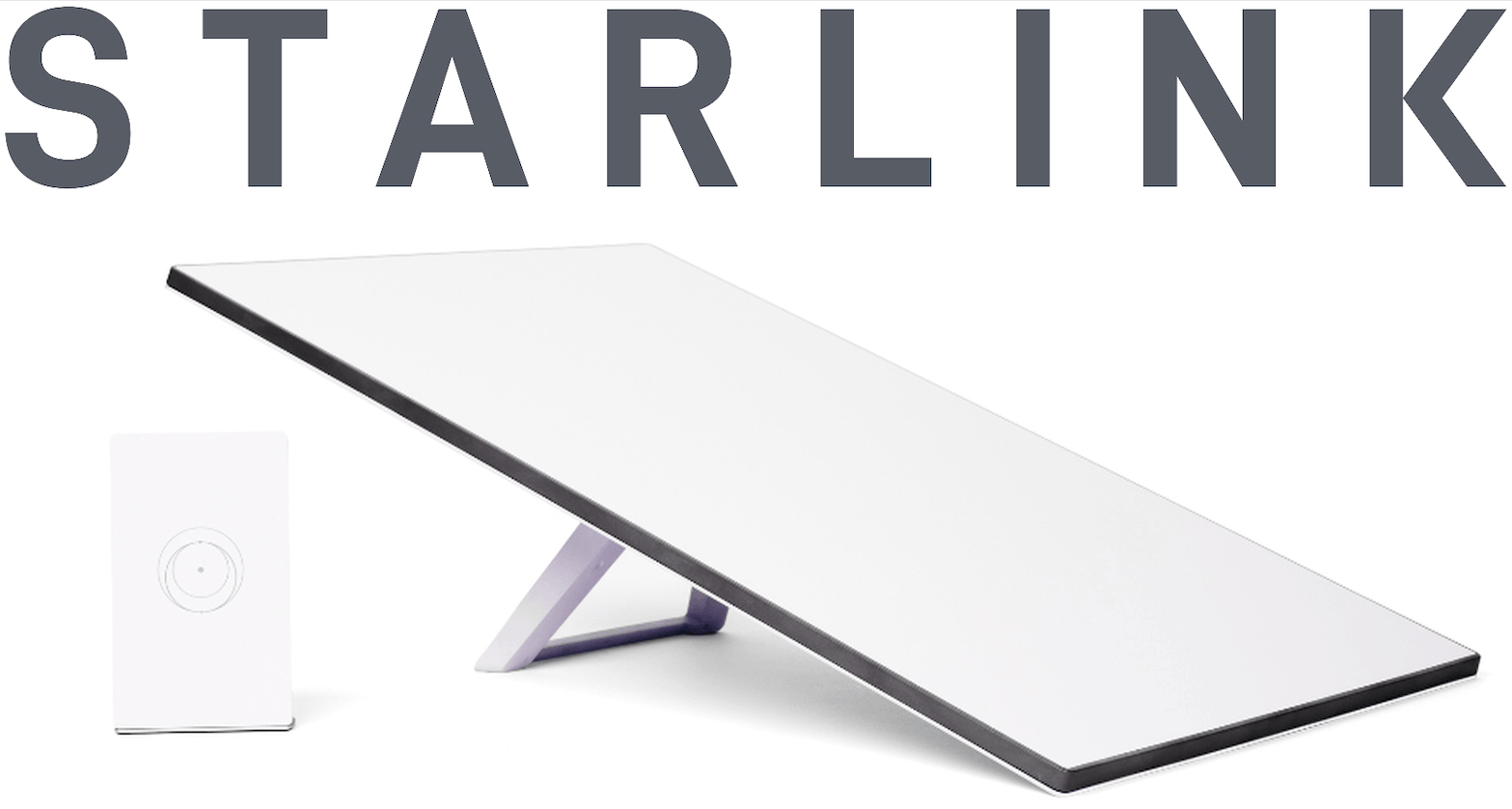
Installation will involve a compact user terminal, roughly the size of a small pizza box, which will connect to Kuiper satellites orbiting overhead. In Maryland, residents will need to place the terminal outdoors—typically on rooftops or elevated mounts—with a clear line of sight to the sky. The dish includes a phased-array antenna capable of electronically steering its beam, eliminating the need for motorized parts. Basic setup will be designed for do-it-yourself installation, although Amazon may contract local technicians for optional professional setup services.

Consumer Equipment Requirements

Subscribers will require three primary components: the Kuiper user terminal (satellite dish), an indoor Wi-Fi router, and a power source. The dish connects wirelessly or directly to the router and relies on Amazon-designed semiconductors to manage signal processing. Terminals are expected to be rugged enough to withstand Maryland’s seasonal variations, including humidity and snowfall. No additional equipment—like signal boosters—will be needed under normal use conditions.

Pricing Models and Subscription Plans

While Amazon has not disclosed finalized pricing, internal estimates based on manufacturing efficiencies and competitive positioning suggest consumer subscription rates will target a range between $50 and $75 per month. This positions Kuiper below incumbent satellite providers like HughesNet or Viasat. Equipment cost is projected to fall under $400 for the user terminal, with Amazon potentially subsidizing hardware in exchange for term commitments. Tiered plans based on data usage or bandwidth allocation could become available, offering flexibility for both light and heavy internet users in Maryland.

Cleared for Launch: FCC Approvals and the Regulatory Track for Amazon’s Satellite Internet in Maryland

Establishing Legality in Orbit: Amazon’s Work with the FCC

Amazon has navigated a strict regulatory framework to authorize Project Kuiper’s satellite internet service. The Federal Communications Commission (FCC), which oversees satellite communications in the United States, granted Amazon approval in July 2020 to deploy and operate 3,236 low Earth orbit (LEO) satellites. This approval followed Amazon’s application under File No. SAT-LOA-20190704-00057 and was contingent upon Amazon investing over $10 billion into the project.

To retain its authorization, Amazon must deploy at least 50% of its satellites by July 2026 and complete the full constellation by July 2029. These deadlines are part of the FCC's orbital deployment compliance framework, designed to prevent frequency hoarding and ensure practical timelines for satellite operators.

Licensing Spectrum and Operating Bands

Project Kuiper's ability to function hinges on access to highly regulated radio frequency spectrum. The FCC granted Amazon access to Ka-band frequencies, a high-throughput spectrum capable of delivering fast broadband. Specifically, Amazon holds licenses for:

This puts Project Kuiper in direct competition with SpaceX's Starlink, which also operates within the Ka-band range. To minimize interference, the FCC imposes stringent coordination protocols among satellite constellations utilizing similar frequency ranges. That means Amazon must actively coordinate operations with existing players or alter its design to avoid degradation of service quality.

Implications for Market Competition and Maryland Residents

With FCC authorization in place, Amazon's entry into the satellite internet market introduces a major new competitor to SpaceX and established ground-based internet service providers. In Maryland, this increases consumer choice, particularly in rural areas where broadband infrastructure remains patchy. Individuals and businesses in underserved counties such as Garrett, Allegany, and Somerset could see price pressure on existing providers as Amazon introduces a new high-speed option with broader geographic coverage.

The increased competition is not hypothetical. FCC filings show a growing uptick in applications for earth stations and user terminals from both Amazon and rivals, indicating a preparation for ground deployments across various states including Maryland.

Regulatory and Environmental Review Process

Satellite operations carry terrestrial impact, which triggers environmental oversight. Under the National Environmental Policy Act (NEPA), the FCC must evaluate whether large satellite constellations could contribute to orbital debris, affect astronomy, or raise other environmental concerns. Although the FCC categorically excluded Kuiper’s initial filings from full environmental review, several advocacy groups have pushed back. As a result, petitions for reconsideration are pending for large satellite constellations in general — and that includes Amazon's fleet.

Local Maryland agencies are also watching closely. The build-out of necessary ground infrastructure, such as Kuiper’s planned 94,000-square-foot satellite processing facility in Florida and future user ground stations in states like Maryland, will trigger state-by-state regulatory reviews. From zoning to RF safety assessments, these localized regulations could influence where and how Amazon scales service within the state.

Local Internet Landscape: Impact on Maryland ISPs

New Competitor or Strategic Ally?

Amazon’s satellite venture, Project Kuiper, will alter how Maryland’s internet service providers operate, especially in underserved and rural areas. Unlike fiber or DSL networks, Kuiper’s low Earth orbit (LEO) approach bypasses terrestrial infrastructure entirely, introducing a direct-to-consumer model that could compete head-to-head with existing ISPs. Maryland’s regional providers, especially those outside the I-95 corridor, face the greatest pressure.

In urban centers like Baltimore or Rockville where high-speed cable and fiber layers already exist, Kuiper may serve more as a supplemental option. But in areas like Alleghany, Garrett, and Dorchester counties—where broadband expansion lags—the economic model shifts. A satellite connection that requires no trenching or local tower investments can immediately attract households stuck with unreliable DSL or expensive cellular solutions.

Bundling, Licensing, and Cooperative Models

Rather than approach the market strictly as a disruptor, Amazon could craft cooperative models with Maryland-based ISPs. Possibilities exist for joint customer acquisition strategies, where local providers share billing and customer service infrastructure while delivering Kuiper’s bandwidth under a co-branded offering.

These partnerships would allow Amazon to scale customer reach without replicating established support networks. At the same time, Maryland ISPs could extend service territories using Kuiper’s satellite layers without massive infrastructure investments.

Risks to Existing Provider Margins

Despite potential collaboration avenues, some segments of the ISP market face direct threats. Providers reliant on monopolistic pricing in low-density zip codes could lose market share as Kuiper offers flat-rate service with competitive download speeds. Satellite latency, once a key drawback, is no longer a barrier—Amazon’s LEO configuration aims to offer sub-100ms latency, rivaling cable in responsiveness for most consumer tasks.

Another flashpoint could emerge around government subsidies. Kuiper may bid for access to Maryland’s broadband deployment grants or federal dollars under the BEAD program. If successful, local ISPs that once relied on public infrastructure initiatives may see reduced funding, redirecting subsidy flows to a Big Tech entrant.

Opportunity in Adaptation

For proactive ISPs, Kuiper's entry doesn’t represent a threat—it marks an opportunity to reimagine how service is delivered. Maryland providers that embrace hybrid models, combining ground and orbital assets, will secure cost advantages and wider customer bases. Satellite doesn’t eliminate the network—it reshapes it. The most agile players will harness both worlds.

The Digital Divide: Bridging Gaps in Rural Maryland

Uneven Terrain: Broadband Disparities in Rural Maryland

Western Maryland’s Appalachian foothills, the marshy contours of the Eastern Shore, and scattered farming communities across southern counties all share a persistent issue: limited or nonexistent access to high-speed internet. According to the FCC’s 2022 Broadband Progress Report, over 238,000 Marylanders still live in areas without access to broadband speeds of at least 25 Mbps (download) and 3 Mbps (upload), with rural regions accounting for nearly 80% of that underserved population.

Legacy infrastructure, such as copper-based DSL and fixed wireless, continues to restrict bandwidth. In places like Garrett, Somerset, and Kent counties, fiber deployments remain sparse due to low population density and high installation costs. The result? Students sitting in school parking lots to complete assignments, telemedicine options limited by buffering screens, and businesses constrained by slow upload speeds.

Project Kuiper’s Role in Equalizing Access

Amazon’s satellite constellation offers a non-terrestrial internet delivery model that bypasses the limitations of ground infrastructure. Leveraging low-Earth orbit satellites, Kuiper can blanket large swaths of terrain—including topographically challenging or economically unviable areas—with consistent and scalable broadband service.

Unlike fiber optics, which require physical trenching and pole access, or cellular towers that depend on line-of-sight, Kuiper’s system connects users directly to satellites, dramatically reducing last-mile connectivity challenges. Remote homes near the Chesapeake escape routes or deep in the Monocacy River Valley can achieve the same streaming quality and upload speeds as suburban homes in Howard County.

Federal and State Commitments to Digital Equity

Maryland has already pledged $300 million through its Connect Maryland initiative, aiming to provide universal broadband access by 2026. The state utilizes federal resources, including the Broadband Equity, Access, and Deployment (BEAD) program, which allocates $267 million to Maryland from the Infrastructure Investment and Jobs Act (2021).

These funds directly support satellite adoption by subsidizing consumer equipment and accelerating partnerships with providers like Amazon. Moreover, the Office of Statewide Broadband now includes non-terrestrial broadband technology within its infrastructure grant eligibility, making LEO satellite solutions a recognized part of the public toolkit for rural broadband expansion.

Amplifying Impact Through Institutions

Public anchor institutions—such as libraries, school districts, and university extension centers—serve as critical contact points for digital access in rural communities. The Maryland State Library Agency already runs initiatives that extend Wi-Fi beyond building walls, but satellite-enhanced connectivity would allow them to support even broader geographies.

With the infrastructure and funding aligning, and Amazon’s satellites poised to offer statewide coverage, rural Maryland is no longer a broadband afterthought. The digital divide, long persistent across farms, forests, and fishing villages, now faces its most promising opportunity for closure in decades.

Forging Connections: Amazon and Maryland Institutions Pave the Way

Strategic Partnerships with Maryland’s Academic Powerhouses

Amazon’s Project Kuiper isn’t just about deploying new technology—it also brings the potential for transformative collaboration with Maryland’s leading academic institutions. The University of Maryland (UMD), already known for its research in aerospace, data science, and telecommunications, stands as a key potential partner. Faculty at UMD’s Clark School of Engineering and School of Information Studies actively work on satellite networking, advanced antenna systems, and rural connectivity challenges. Aligning this research with Kuiper’s system architecture could accelerate both innovation and real-world application.

Collaboration need not stop at campus borders. Through formal Memoranda of Understanding (MOUs), Project Kuiper could integrate with UMD labs, offering Amazon access to academic expertise while granting students exposure to next-gen satellite technology. These partnerships may include internships, co-funded research initiatives, or joint ventures in ground station design and edge computing.

School District Engagement and Community Tech Literacy

Beyond higher education, K-12 school districts across Maryland are on Amazon’s radar for community impact programs. Targeted counties—especially in western and southern Maryland, where broadband availability remains inconsistent—are being explored for satellite-powered classroom connectivity pilots. These pilot programs can support digital coursework, remote learning, and STEM curriculum enhancement using real-time satellite data.

In addition, Amazon Future Engineer, a company-sponsored initiative, may expand its coding bootcamps and computer science workshops in Maryland communities where Project Kuiper connectivity is introduced. Curriculum can be enhanced to include real-world use cases of low-Earth orbit networks—an early step in grooming the state’s next generation of aerospace technologists.

Public Sector Symbiosis: Government and Nonprofit Collaboration

Heads of Maryland’s Department of Information Technology (DoIT) have begun informal dialogues around satellite connectivity as a supplemental solution in state-led broadband deployment programs. These discussions coincide with how Project Kuiper could integrate with Governor Moore’s $300 million Connect Maryland initiative, which aims to deliver universal broadband by 2026.

Public-private cooperation may take the shape of shared deployment models. For example, fixed satellite terminals funded jointly by Amazon and the Maryland Broadband Cooperative (MDBC) could be installed on public libraries, municipal buildings, or emergency services outposts. Doing so would extend coverage into broadband deserts while reducing infrastructure costs.

Nonprofit organizations such as the Digital Equity Coalition of Maryland are also laying the groundwork for partnerships that combine technical solutions with digital literacy training. Joint programming with Amazon could include Wi-Fi access map audits, needs assessments in agricultural communities, and workshops on using satellite internet for telehealth and job access.

The evolving synergy between these players—corporate, academic, government, and nonprofit—constructs a collaborative framework that will accelerate equitable technology access throughout Maryland.

Consumer Benefits and Challenges: Weighing Amazon Satellite Internet in Maryland

Unlocking Access and Speed for Residents Statewide

Amazon’s satellite internet initiative, operating through its Project Kuiper constellation, introduces high-speed connectivity to communities across Maryland—including those routinely left behind by traditional broadband providers. The low Earth orbit (LEO) satellite network delivers latency under 100 milliseconds and projected speeds of up to 400 Mbps. These performance benchmarks rival mid-tier fiber packages and exceed the capabilities of legacy satellite services like HughesNet or Viasat.

Rural and mountainous areas in Western Maryland, coastal communities on the Eastern Shore, and remote stretches of Southern Maryland stand to gain the most immediate benefit. Conventional wired infrastructure frequently skips these zones due to low ROI for telecom companies. With Kuiper’s orbit-based model, geographic isolation becomes irrelevant.

Driving Competition Across Maryland’s Internet Market

Expanded internet options generate market pressure. Incumbent ISPs in Maryland may respond to Amazon’s entry by adjusting pricing models, improving customer service, or accelerating rollout timelines for existing fiber installations. This competitive ripple effect can elevate user experience across urban and suburban zones as well—such as in Baltimore, Columbia, and Silver Spring.

Enabling Next-Generation Applications in Underserved Regions

Installation and Equipment: A Mixed Bag

Amazon’s consumer terminal includes an antenna—approximately 11 inches in diameter—plus a household Wi-Fi router. While the company expects manufacturing costs under $400 per unit, upfront setup pricing for Maryland residents may still vary by vendor and available subsidies. In multi-unit dwellings or densely wooded areas, aligning installations for optimal satellite visibility may require professional assistance, adding to costs.

Weather Sensitivity and Service Continuity

Despite promising bandwidth, LEO satellite internet remains susceptible to meteorological fluctuations. Snowfall, sediment-heavy rain, or dense cloud cover can degrade signal quality. Eastern Maryland’s coastal fog, especially around Cambridge or Ocean City, can cause brief drops in performance. However, the Kuiper network’s phased array antennas and multi-satellite routing architecture help alleviate prolonged disruptions by shifting user traffic dynamically.

Subscription Management and Data Prioritization

Amazon has not released its final pricing tiers or data caps for Project Kuiper services in Maryland. What remains under scrutiny is how bandwidth allocation will be managed during peak use periods—especially in high-density areas. If subscription tiers restrict full access, consumer advocacy groups may raise concerns about digital equity, particularly for low-income households in Prince George's County and Baltimore City.

How do the trade-offs compare from your perspective? Consider what fiber options cost in your neighborhood. Now imagine matching their speed—without a single foot of cable underground. That’s the scale of what Amazon’s satellite internet promises to Marylanders.

Environmental Considerations & Global Impacts of Amazon Satellite Internet in Maryland

Space Debris and the Sustainability of LEO Infrastructure

Deploying thousands of low Earth orbit (LEO) satellites significantly increases the risk of orbital debris. Amazon’s Project Kuiper plans to launch over 3,200 satellites, adding to the more than 5,500 currently orbiting Earth, according to the European Space Agency. As these satellites orbit between 590 and 630 kilometers above the surface, even defunct units or minor paint flecks can travel at speeds exceeding 25,000 km/h—fast enough to damage active spacecraft.

To mitigate this, Amazon has committed to deorbiting non-operational satellites within 355 days of mission completion, faster than the FCC’s five-year guideline. However, orbital congestion remains a pressing issue. Collisions generate clouds of debris that can cascade into further impacts—a phenomenon known as the Kessler Syndrome. Sustaining Amazon's Maryland-based operations depends on long-term debris management and global coordination.

Environmental Impact of Ground Infrastructure

Beyond orbital concerns, the terrestrial footprint of satellite internet matters. Project Kuiper requires hundreds of ground stations globally—including potential installation hubs across Maryland. These facilities consume electricity 24/7 to control satellite operations and route data. While Amazon aims for carbon-neutral operations by 2040, every antenna farm and cooling system contributes to ongoing energy demand.

At the consumer level, the satellite terminals Amazon is developing will require regular replacement cycles and standardized power input. Their environmental impact stems not only from use but from manufacturing, materials, and eventual disposal. As Maryland users adopt Kuiper gear, this life-cycle impact will scale cumulatively.

Satellite Contributions to Environmental Monitoring

LEO satellites aren’t solely transmission tools—they double as powerful instruments for Earth observation. Amazon’s technology can assist climate and ecological monitoring when integrated with scientific platforms. NASA’s Terra satellite, for example, collects over 185 gigabytes of Earth observation data daily, feeding into Maryland-based studies on agriculture, coastal erosion, and land use.

While Project Kuiper’s primary mission remains connectivity, its satellite sensors could augment existing environmental surveillance networks. When paired with AI-driven analytics at commercial or research centers, these satellites can provide real-time data on land degradation or weather anomalies across both Maryland’s wetlands and the global climate system.

Satellite Imagery: Understanding Earth from Above

High-resolution satellite imagery moves environmental science forward. In the Amazon rainforest, satellite analysis tracks deforestation with precision down to hectares. These monitoring capabilities can support conservation enforcement, carbon accounting, and community engagement. Project Kuiper’s hardware, while primarily connectivity-focused, exists within this imaging ecosystem.

For Maryland, integrating satellite data—whether from Amazon’s fleet or others—offers granular insight into the Chesapeake Bay’s health, urban expansion, and agricultural sustainability. The broader value of LEO technologies lies not only in the internet they deliver, but in the planet-wide lens they open for policymakers and developers.