What Type of Cable Does Frontier use?
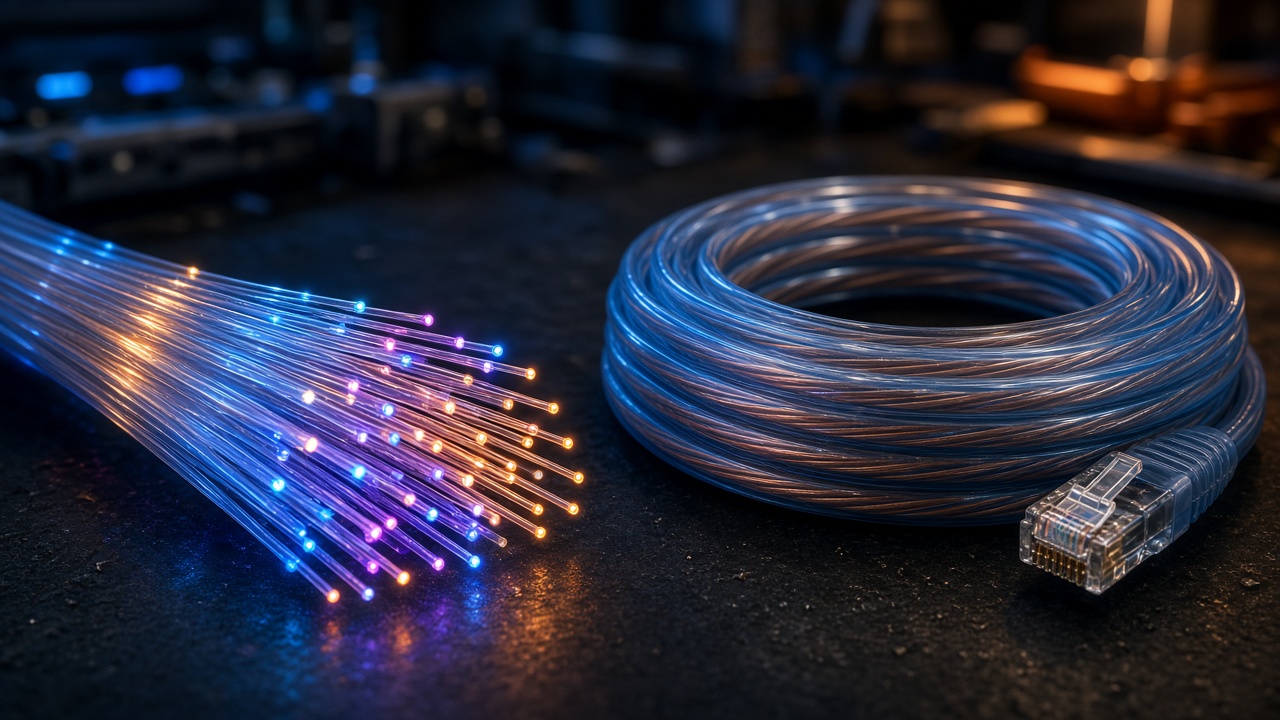
Welcome to a detailed exploration of the network backbone that supports Frontier Communications. With the ever-increasing demand for fast, reliable broadband internet services, grasping the hardware intricacies, like the cables employed by providers such as Frontier, becomes imperative. This knowledge serves not just to satisfy technical curiosity but also to assure that subscribers can leverage the high-speed internet service to its full potential. Navigate through the world of telecommunications cabling and discover the technology that keeps digital life smoothly connected.
Unveiling Frontier Communications Services
Frontier Communications has established itself as a key provider in the sphere of telecommunications. Offering an array of services to meet diverse customer needs, Frontier has a footprint in several states across the United States.
The core offering of Frontier lies in its Broadband Internet service, which is available in multiple forms designed to cater to different levels of usage demands and budgets. The customer experience stands at the forefront of Frontier's mission, with an emphasis on providing reliable connectivity and responsive customer support.
- High-speed Internet
- TV and Voice Services
- Secure Routers and Wi-Fi
- Digital Protection
- 24/7 Technical Support
Though many users initially knew Frontier for its DSL services, the company has made significant strides in incorporating fiber optic technology into its infrastructure, which has become a pillar in its quest to offer cutting-edge broadband solutions. With constant enhancements to its network, Frontier has been keen to deliver what subscribers seek: faster speeds and reliable Internet service.
Frontier's Shift from DSL to Fiber Optic Technology
In the realms of internet infrastructure, Frontier Communications has undergone a significant transition. Replacing the aging DSL lines, the company has embarked on the deployment of fiber optic technology. This migration has been motivated by the demand for higher bandwidth and more reliable internet connections among consumers and businesses alike.
Explain the Evolution of Frontier's Infrastructure
Established initially as a telecom company providing service via copper DSL lines, Frontier recognized the necessity to evolve. Fiber optic technology entered the scene as a solution to bandwidth limitations. The upgrade to fiber has been a focused initiative, enabling Frontier to deliver faster, more consistent internet speeds and accommodate the increased data consumption of modern users.
Benefits of Fiber Optic over DSL
When comparing fiber optic to DSL, the former outpaces the latter significantly. Fiber's conduits of glass or plastic fibers offer less resistance and an absence of electromagnetic interference, factors that greatly enhance data transmission rates. Unlike DSL, which uses copper lines prone to degradation and distance-related loss, fiber sends data with light, resulting in minimal signal attenuation over long distances. For customers, this means an unmatched online experience, with smoother streaming, superior download/upload capacities, and symmetric speed.
The Speed and Network Capacity Advantages of Fiber for End Users
- Speeds through Frontier's fiber network reach gigabit tiers, a marked increase from the maximum of approximately 100 Mbps often seen with DSL.
- Seamless performance is observed even during peak hours, courtesy of fiber optics' greater network capacity.
- Users experience drastic improvements in cloud-based services, telecommuting, and video conferencing due to fiber's low latency.
- Online gaming and large file transfers become notably more efficient, eradicating the frustration of slow connections.
The Pivotal Transformation in Broadband: Fiber Optic's Ascendancy
Fiber optic technology stands as a cornerstone in the realm of modern broadband, offering unparalleled data transmission capabilities. Through the use of light signals, data travels at speeds approaching that of light itself along flexible, minuscule strands of glass or plastic— a stark contrast to the electrical signals used in the traditional coaxial cables.
Unthreading the Superiorities of Fiber Optics
When juxtaposed with conventional coaxial cables, fiber optics reveal their superiority. Unlike coaxial cables, which transmit data through copper and are prone to electromagnetic interference, fiber optic cables are impervious to such disruptions. Furthermore, fiber optics have a significantly higher bandwidth. This advantage translates into the ability to support burgeoning data consumption demands, as residential and commercial users alike continue to necessitate ever-increasing internet speeds.
Necessity for Future-Proofing Internet Connectivity
Deemed a necessity for future-proofing internet connectivity, fiber optics extend a long-term solution to the ever-evolving digital landscape. As the Internet of Things (IoT) expands and applications such as virtual reality become more commonplace, fiber optic infrastructure forms the spinal cord for these data-intensive technologies. Such a resilient and scalable network ensures that advancements in technology can be accommodated without necessitating a complete overhaul of the existing internet apparatus.
- Fiber optic cables transmit vast amounts of data over long distances without succumbing to signal degradation.
- The inherent capacity for speed in fiber optic systems perpetually eclipses the capabilities of older copper wire technologies.
- By laying down fiber optic networks, service providers like Frontier ensure robust connectivity for emerging technologies and future applications.
Fiber optics form the backbone of advanced networks providing the lifeblood for innovations and empowering a seamless digital experience for users. With this technology at the core of their broadband offerings, Frontier fortifies its position in the hyper-competitive telecommunications landscape.
Delving Into the Cables That Power Frontier’s Network
Frontier Communications tailors its network infrastructure to meet varying consumer needs, employing distinct types of cables to establish robust, high-speed internet connections. These cables form the lifeline for data transmission across residential and commercial spaces alike.
Fiber Optic: The Backbone of Frontier's Network
Frontier emphasizes fiber optic cables, a cutting-edge medium offering unparalleled data transmission speeds. These cables transmit information as light, making them immune to electromagnetic interference and granting them a vast bandwidth capacity. As such, fiber optic infrastructure sustains Frontier's rapid internet services, particularly the FiOS platform.
Coaxial Cables in Legacy Systems
In some regions, however, Frontier employs coaxial cables, especially where legacy systems remain. Coaxial cables, recognized for their earlier prominence in cable television services, consist of a copper core, an insulating layer, a metallic shield, and an outer plastic sheath. Though not as efficient as fiber optics, these cables still provide a reliable medium for data and television signals—albeit with bandwidth limitations compared to fiber.
Frontier’s ongoing infrastructure enhancements demonstrate a drive towards a predominantly fiber optic-powered network. This transition aligns with the growing demand for bandwidth and the necessity of stable, high-speed internet connectivity. The implementation of fiber reinforces Frontier's commitment to leading-edge technology, manifesting in superior internet service offerings.
Delving into the Capabilities of Frontier’s Broadband Network
Frontier’s broadband network uses a combination of fiber optic cables for its high-speed connections, known for their large bandwidth and reduced latency. These advanced cables consist of strands of glass fibers encased in an insulated casing. Capable of transmitting data as light pulses, they support greater data capacity than traditional metal conductors. The architecture of Frontier's fiber network predominantly follows the fiber-to-the-home (FTTH) model, delivering a direct fiber optic connection to customers' premises.
Regarding network capacity and speed, fiber optic technology propels Frontier’s service offerings into the upper echelon. Fiber cables can easily support gigabit internet speeds, with the potential to reach tens of gigabits per second under optimal conditions. This extensive capacity ensures users can enjoy seamless streaming, gaming, and downloading without bandwidth constraints. In essence, as demand for higher bandwidth and more reliable connections increases, fiber optics offer a scalable solution that can handle growth without significant infrastructural overhauls.
The benchmarks for high-performance internet include latency, speed, and reliability. Fiber optic cables excel in all three areas. Low attenuation and interference rates result in minimal signal degradation over long distances, thereby maintaining high-speed connectivity and response times. A direct correlation exists between these technical specifications and the overall user experience, requiring a robust network infrastructure to support data-intensive applications and services.
- Fiber optic cables provide ample bandwidth to accommodate future advancements and increasing internet traffic.
- With symmetrical upload and download speeds, fiber optic cables facilitate real-time data transmission essential for cloud services and online collaboration.
- The longevity and durability of fiber cables ensure a sustainable and long-term internet solution for both the company and its customers.
Modern applications, burgeoning IoT devices, and the proliferation of video content make the network specs not merely advantageous but necessary for maintaining a competitive service. Users consistently gravitate towards ISPs that provide a resilient, high-capacity network infrastructure that aligns with their escalating digital needs.
The Installation and Setup Process
Unveiling the steps for Frontier installation guides you through a seamless transition to high-speed connectivity. Initially, a professional technician will schedule an appointment at a convenient time to conduct the installation. On the predetermined date, they bring the necessary tools and Frontier's high-quality cables to your location.
Proper in-home wiring forms the backbone of a reliable internet service. Technicians meticulously evaluate your home's internal wiring infrastructure to ensure compatibility with Frontier’s advanced networks. This examination preemptively addresses potential performance bottlenecks.
Frontier's commitment shines as technicians ensure your setup harnesses the full breadth of your chosen service. They configure the network, fine-tune the connection parameters, and connect your devices. Through this comprehensive approach, Frontier aims to deliver an exceptional broadband experience from day one.
- A technician performs an installation, aligning their visit with your schedule.
- Assessment and potential upgrades to your home's internal wiring are conducted to support Frontier's technology.
- Expert network configuration delivers a tailored internet experience.
- Technicians facilitate an extensive test of the service in your home, confirming the performance of your broadband connection.
Echoing through each step, from the strategic wiring to the methodical setup, is Frontier's dedication to providing a state-of-the-art service capable of meeting the digital demands of today's world. With the technical expertise of Frontier's installers, the network you rely on becomes a gateway to boundless possibilities.
Maximizing Frontier's Network: In-Home Wiring and Connectivity
Homes vary widely in their wiring and connectivity setups, influenced by factors such as architectural design and technology adaptability. Depending on the age of the property, occupants may encounter a spectrum ranging from legacy copper wiring to advanced structured cabling systems. Each type creates specific scenarios for internet service providers to address when delivering broadband services.
Frontier leverages its cable choice meticulously to ensure reliable home connectivity. With a focus on deploying fiber-optic technology where available, Frontier ensures that this high-speed and high-capacity medium forms the backbone of a customer's internet connection. Fiber-optic cables carry data at speeds of up to 1000 Mbps, outrunning traditional copper lines. Subsequently, the seamless provision of broadband relies on the condition and readiness of existing in-home wiring to support new technology.
Fiber installations might require upgrading older infrastructures or installing new ones, where Frontier technicians often manage the transition from the home's boundary to the internal network. For ideal in-home connectivity, quality and continuity of wiring are paramount. Viable tips to maintain peak connectivity include regular inspections of cables, avoidance of sharp bends or kinks that can physically damage fibers, and minimizing the length of copper wiring if it's used in conjunction with fiber to reduce potential signal degradation.
- Structured cabling guarantees the most adaptable and scalable solution for data transmission within homes.
- Coaxial cables may still be used within homes in the case of hybrid networks, where a combination of fiber and copper lines deliver services.
- Wireless extenders prove pivotal in properties with formidable architectural characteristics that might impede signal propagation.
Maintaining a high-performance in-home network entails more than securing a high-speed internet plan; it requires continuous attention to the physical components ensuring data transmits effectively. Regular review and potential upgrading of in-house wiring configurations, coupled with smart placement of modems and routers, secure the integrity of connectivity. This holistic approach to home network management underscores Frontier's cable and service choice, facilitating an ecosystem where users can enjoy the full spectrum of features that high-speed internet provides.
Selecting the Right Modems and Routers for Frontier Services
To maintain seamless connectivity with Frontier's services, customers must utilize compatible modems and routers. These devices have to be able to handle the particular technology used by Frontier, such as fiber optic for their FiOS services or DSL for standard internet connections. When shopping for networking equipment, pay close attention to the specifications to ensure they match Frontier's requirements.
Frontier-Compatible Equipment
Frontier has a list of approved equipment on their website. Examples of suitable modems include the Arris NVG468MQ and the Arris MEB1100, both known for their optimal performance with Frontier's FiOS services. As for routers, the Frontier FiOS Quantum Gateway is a popular choice, capable of handling the high-speed data transmission brought by fiber optics.
Utilizing Frontier's approved modems and routers comes with several benefits. These devices are designed to maximize the potential of Frontier's network, allowing users to enjoy higher speeds and stronger connections. Additionally, the compatibility simplifies installation processes and can lead to more efficient troubleshooting should any issues arise.
Ensuring you have equipment that complements Frontier's services not only enhances your online experience but also helps avoid common technical problems associated with using incompatible hardware.
Installation Necessities: The Right Cable for Your Frontier Service
Selecting the appropriate cable for Frontier services ensures optimal performance and connectivity. Given that Frontier offers fiber-optic service, a distinct set of cables and in-home equipment is necessary. Unlike the traditional DSL or coaxial connections that rely on copper lines, fiber-optic service uses a fiber-optic cable to deliver internet service. As such, installations typically involve running a fiber-optic line to the home, which then connects to an Optical Network Terminal (ONT).
For households transitioning to Frontier's fiber-optic internet, an upgrade from existing copper wiring to fiber-optic lines will take place. This new setup may include specialized modems and routers designed to handle high-speed fiber-optic signals. In some instances, Ethernet cables are required to connect the ONT to the router, supporting Gigabit speeds; Category 5e (Cat5e) or Category 6 (Cat6) Ethernet cables are typically recommended for this purpose. These cables are engineered to reduce crosstalk and handle higher bandwidth compared to older types of Ethernet cables.
Troubleshooting and Maintenance of Frontier Cable Connections
Maintaining a consistent and high-quality internet connection requires periodic troubleshooting and maintenance. Users frequently face issues that can disrupt their Frontier broadband service. Knowledge of common problems and solutions empowers users to swiftly restore their connection.
Guidance on Maintaining Your Frontier Cable Connection
Regular maintenance of the Frontier cable network involves checking cable connections, ensuring modem and router firmware is up-to-date, and rebooting the system periodically. Keep cables away from sources of interference such as large electronic appliances and heavy-duty power cables. Regular inspections can prevent physical damage and degradation of cable performance over time.
Common Issues and Troubleshooting Tips for Frontier Broadband Internet
- Speed Fluctuations: Testing your internet speed with an online speed test can determine if you are receiving the bandwidth for which you are paying. If speeds are consistently low, resetting the modem and router can sometimes resolve the discrepancy.
- Connectivity Problems: Issues with connectivity often stem from loose cables. Ensure that all connections are secure. If the problem persists, bypass any splitters by directly connecting the cable to the modem to diagnose whether the splitter is faulty.
- Intermittent Signal: This could indicate a problem with the Frontier network, external environmental factors, or hardware issues. Power cycling your equipment may resolve this, but if the problem continues, documenting the times and frequencies of the outages will be helpful when contacting support.
When to Contact Frontier Support for Additional Help
Certain situations warrant a call to Frontier support. If your internet service is down and you have determined it is not an issue with your in-home setup, Frontier’s customer support team can assist in further diagnosing and solving the problem. Contact support if you notice damaged cables or if troubleshooting steps have not resolved the issue. Frontier technicians possess the necessary tools and expertise to diagnose and resolve deeper network-related problems.
Unwavering Dedication to Fast, Reliable Internet Access
Frontier remains steadfast in their dedication to deliver high-speed and reliable internet services. Recognizing the growing demands for faster data transfer and increased bandwidth, the company has been actively upgrading their network infrastructure to fiber optics, thereby significantly enhancing the quality of internet service for their customers.
An extensive effort to replace outdated copper lines with highly efficient fiber-optic ones is underway. This transformation is targeted to provide superior internet speed, reliability, and overall better performance to meet modern requirements. Quick access to information, seamless streaming of high-definition content, and uninterrupted gaming experiences are among the tangible benefits enjoyed by subscribers due to these improvements.
Consumers select Frontier with the expectation of a top-tier internet service and customer experience. In response, the company's focus on fostering customer satisfaction is reflected not just in the network's technical enhancements but also in the continuous support and transparent communications provided to subscribers.
Explore Your Frontier Broadband Setup
Frontier Communications has transitioned from DSL to the more advanced fiber optic technology, ensuring a leap in broadband speed, reliability, and network capacity. Understanding the fiber cables running through the veins of Frontier's network allows users to better grasp the superior service quality they receive. Compatibility issues between cables and equipment become trivial through this knowledge.
Delving into the specifics, Frontier utilizes state-of-the-art fiber optic cables that provide a significant boost in internet performance compared to the older DSL technology. With the demands for higher bandwidth and faster speeds increasing, fiber optics stand as the backbone of Frontier's commitment to delivering high-speed internet.
Fortifying your in-home connectivity starts with selecting the appropriate modems and routers that align with Frontier’s specifications. Proper installation and setup catalyze your service to operate at full potential. Regular maintenance and troubleshooting further ensure a seamless internet experience.
Recognize the influence of fiber optic technology on your broadband service and take steps to ensure you exploit every ounce of its potential. Check your current Frontier service and equipment. An upgrade or a simple assessment might just be the tweak needed for peak performance. Frontier's dedication to delivering high-speed internet aims to provide customer satisfaction that aligns with the fast-paced demands of the digital era.
Reflect on your current internet setup. Does your equipment harness the full power of Frontier's fiber optic network? Act now, for a swift examination and adjustment could lead to a transformative broadband experience.