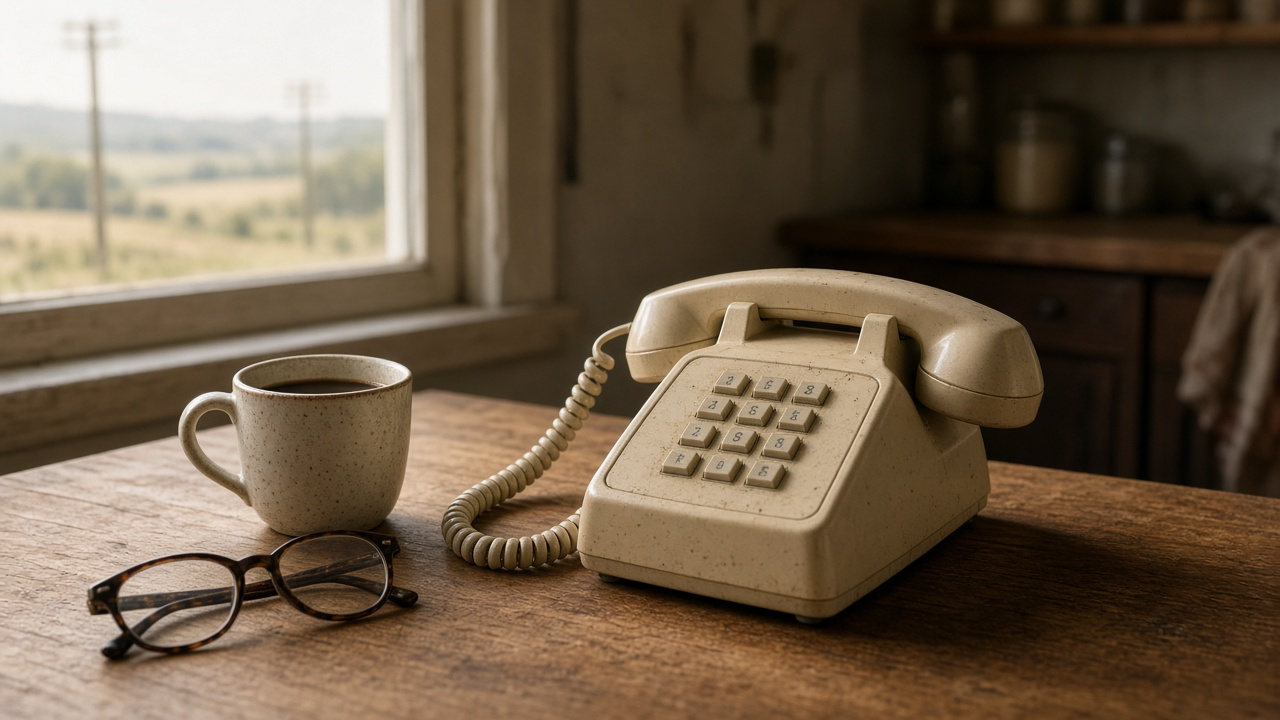
Verizon's Copper Landline Shutoff Is on Hold: What Landline Customers Should Know
If you still have a traditional Verizon or Frontier landline, you may have received a letter saying your copper phone service is going away. For customers in parts of nine states, that timeline just slowed down. On September 25, 2026, the Federal Communications Commission (FCC) said it needs more time to review Verizon's request to shut off copper home phone service, so the request won't be approved automatically.
That's a pause, not a cancellation. Here's what happened, which areas are involved, and what you can do now so you aren't caught off guard. Details are current as of September 29, 2026.
The quick version
- What Verizon asked for: permission to stop offering traditional copper-based phone service (often called POTS, or "plain old telephone service") in parts of Arizona, Delaware, New Jersey, New Mexico, Ohio, Rhode Island, South Carolina, Utah, and Virginia
- What the FCC did: took the request off the fast track the day before it would have been approved automatically, saying it needs more time to review it
- What that means: no final decision yet. The FCC said the move is not a ruling on the merits, so the request could still be approved later.
- A second request is pending: Verizon filed another application on September 9 covering parts of nine more states and Washington, D.C.
Why the FCC hit pause
Verizon says its network in the first group of states could provide copper phone service to about 12 million locations, but only about 277,000 still subscribe. The company wants to move those customers to newer technology such as fiber or wireless.
Local governments, consumer groups, and subscribers pushed back. Their main worry was that in remote and rural areas, the replacement might be weaker wireless service, or nothing reliable at all. Some rural communities have spotty cell coverage and long power outages, and people there depend on a copper line that keeps working when the power is out. One county in Virginia told regulators that nearly half of its area lacks qualifying wireless coverage.
Verizon responded that it won't discontinue copper service at a location unless a replacement is available there. It asked the FCC to approve the request without conditions. The FCC decided it needed more time.
The second Verizon request
On September 9, 2026, Verizon and its Frontier companies filed a second application. It covers parts of California, Connecticut, Illinois, Maryland, Massachusetts, Michigan, New York, Pennsylvania, West Virginia, and Washington, D.C. Verizon says about 750,000 homes and businesses in those areas still use copper phone service.
In that filing, Verizon asks to end copper service on or after November 30, 2026, pending approval. Customers in those areas were mailed notices around September 8. The notices say no action is needed yet, and that anyone whose service will actually end will get another letter with a specific disconnection date.
These requests cover portions of each state, not whole states. If you're not sure whether your line is included, the letter from Verizon or Frontier is your best guide.
Thinking about your options before the switch?
If your copper line is going away, now is a good time to see what home phone and internet service is actually available at your address.
What replaces a copper landline?
Under Verizon's plan, copper service would end only where another voice option is available. That could include:
- Fiber home phone: digital voice over a fiber internet connection
- Wireless home phone: a small box that lets your existing phone and phone jacks work over Verizon's cellular network
- Mobile phone service
- Phone service from another provider, such as a cable or fiber company that serves your address
Watch out for battery backup
A traditional copper line gets power from the phone network, so a corded phone usually keeps working during a power outage. Newer services need power in your home. According to its filing, Verizon's wireless home phone equipment runs on standard AA backup batteries rated for roughly three to four hours of talk time and about a day on standby. If you rely on your landline during storms, plan for longer outages. Keep spare batteries, or add a small battery backup unit.
Check anything else plugged into your line
Home alarm systems, medical alert devices, fax machines, and some elevator or gate phones use copper lines. Ask the company that services each device whether it works with digital or wireless voice before your copper line is switched off.
What landline customers should do now
- Read any letter from Verizon or Frontier carefully. It will tell you whether your area is included and what happens next.
- Don't panic-switch. Nothing changes for customers in the paused area until the FCC acts. Customers covered by the second application should get a separate letter with a date before any disconnection.
- List what depends on your line. Include alarms, medical devices, and any phone you need during power outages.
- Check your cell signal at home. If it's weak, write that down. It matters when you choose a replacement, and it's the kind of concern regulators are reviewing.
- Compare your options. You may be able to bundle home phone with internet service for less than you pay for a standalone landline.
Is this happening with other phone companies?
Yes. Phone companies across the country are working to retire aging copper networks. In June 2026, the FCC approved AT&T's request to stop copper service at more than 184,000 locations in California, and California regulators appealed that decision. Over the next few years, expect more letters and more debate about what counts as a good-enough replacement, especially in rural areas.
Frequently asked questions
Is Verizon shutting off landlines?
Verizon wants to stop offering traditional copper-based home phone service in parts of 18 states and Washington, D.C., across two applications. As of September 29, 2026, the FCC has paused automatic approval of the first request and hasn't made a final decision on either one.
Which states are in the paused Verizon request?
Parts of Arizona, Delaware, New Jersey, New Mexico, Ohio, Rhode Island, South Carolina, Utah, and Virginia.
Will I lose my phone number?
Generally, you can keep your number when you move to a new phone service. Ask about number porting before you cancel anything.
Will my copper line be cut off if there's no replacement where I live?
Verizon has told regulators it won't discontinue copper service at a location that doesn't have one of the replacement options it listed. The FCC is still reviewing how that would work.
Do I have to do anything right now?
No action is required yet. It's still smart to check what depends on your landline and see what phone and internet options serve your address, so you can switch on your own schedule.
Get help planning your move off copper
Tell us your ZIP code and what you use your landline for, and we'll help you compare fiber, cable, wireless, and bundled phone options.