Starlink Pricing: Are You Paying Too Much (July 2026)?

SpaceX’s Starlink project has rapidly altered the landscape of satellite internet, bringing high-speed connectivity to some of the world’s most remote areas. Starlink’s ability to deliver broadband where cable or fiber options remain unavailable has helped bridge the digital divide, yet the cost of this innovation sparks ongoing debate. Do you know exactly what you’re paying for — and could there be a more cost-effective plan for your needs? Which service tiers does Starlink offer, and how do these stack up against competitors? Before you accept your monthly bill, ask yourself: are you overpaying, and what alternatives might actually serve you better?

Starlink Pricing Plans Comparison: Find the Right Fit for Your Needs

Starlink offers several plans, each tailored for different usage scenarios and customer segments. Explore the range of options to determine which package delivers the required connectivity and value for your situation.

Current Starlink Plans

Main Features and Speed Tiers

Starlink Price Comparison Chart (June 2024, USD)

Which plan feels most aligned with your expectations and needs? Before choosing, consider whether your usage scenario demands mobility, higher speeds, or priority support. Matching your actual requirements with the right tier prevents overpaying and maximizes value.

Hidden Fees and Additional Costs: The Real Price of Starlink

Standard Equipment Fee: The Cost of Your Connection

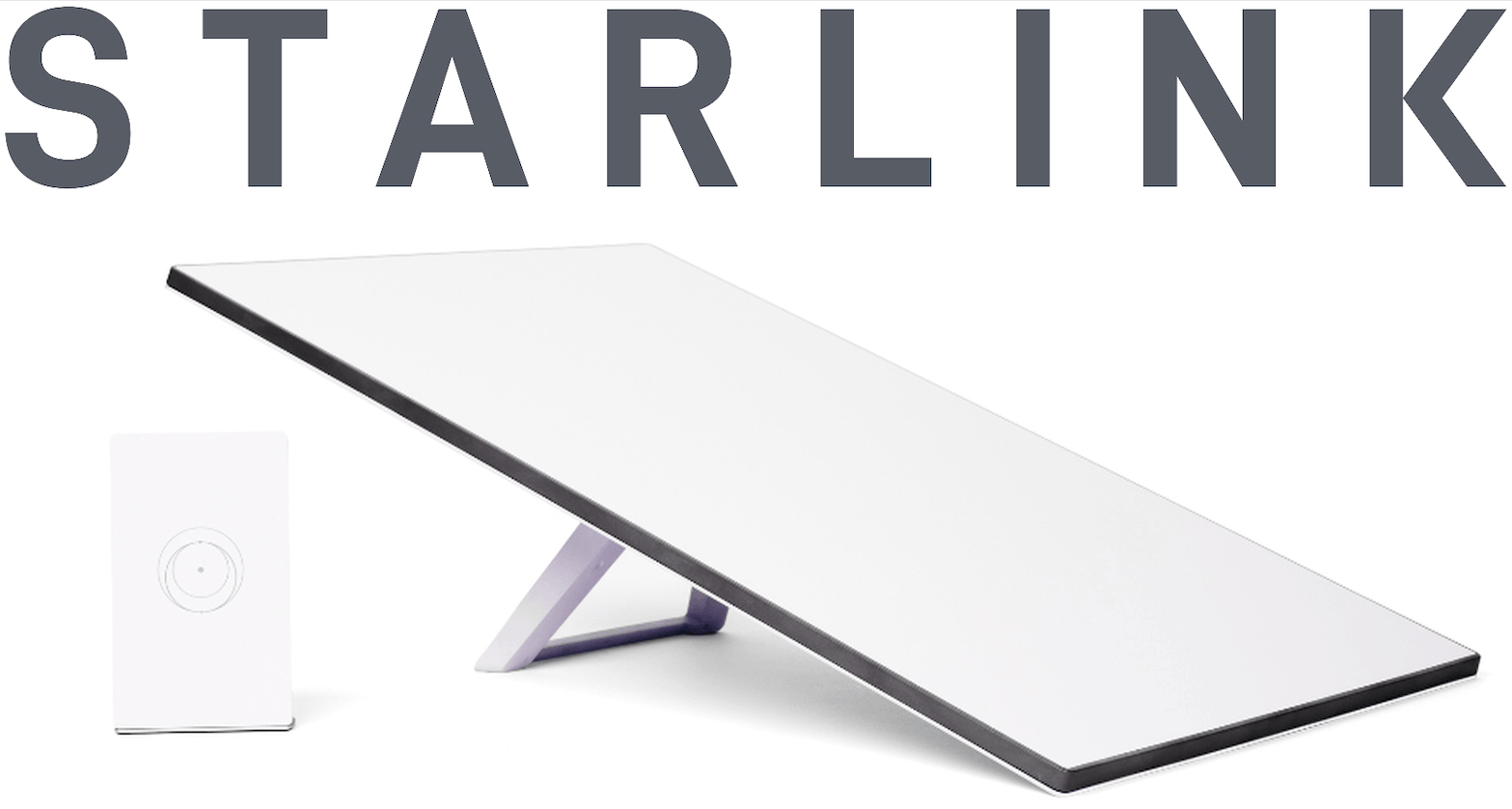
Every Starlink subscription requires a one-time hardware purchase. The standard equipment package—comprising the phased array antenna (dish), router, power supply, and mounting tripod—costs $599 USD as of June 2024 (Starlink official site). For users in Canada, Australia, or the UK, prices fluctuate based on region and exchange rates, but commonly range between CA$759 and £449. Have you factored this up-front investment into your calculation of total yearly costs?

Shipping, Handling, and Activation Fees

While browsing Starlink’s checkout page, have you noticed the additional line items? Shipping generally adds $50–$99 USD to the initial hardware purchase, with rural and remote areas sometimes facing higher surcharges. Starlink no longer charges a separate activation fee in most regions; however, earlier adopters reported charges up to $50 for initial setup. Check your invoice: what additional expenses appear alongside your base hardware cost?

Potential Installation Costs

Although Starlink markets its hardware as “self-install,” not everyone opts for DIY. Engaging a professional for rooftop mounting, cable routing, or custom installations adds a new layer of expense. Most third-party installers in North America quote between $150 and $500 USD, depending on location complexity and mounting requirements (Jeff Geerling, 2021). How much are you willing to pay for convenience and expert service?

Disconnection or Cancellation Fees

Starlink operates month-to-month with no mandatory annual contract. However, equipment return and account cancellation sometimes generate unexpected charges. Users failing to return equipment after cancelling face a charge equal to the full purchase price of the kit. In select markets, some users have reported restocking fees of up to $50 when returning unopened kits. Have you read the fine print on Starlink’s return and cancellation policy?

What other small print could affect your final out-of-pocket cost? Take a close look at each line of your order confirmation, consider regional surcharges, and keep receipts for all transactions.

Starlink vs. Traditional ISP Pricing: How Does It Stack Up?

Monthly Fees—A Straightforward Comparison

Starlink charges a flat monthly rate of $120 for residential service in most of the United States as of June 2024 (Starlink official site). Compare this with Comcast Xfinity, where customers pay between $40 and $113/month for plans ranging from 200 Mbps up to 1200 Mbps (Xfinity pricing). Verizon Fios fiber internet customers see monthly prices between $49.99 and $119.99 for speeds from 300 Mbps to 1 Gbps (Verizon Fios pricing). AT&T offers fiber internet starting at $55/month for 300 Mbps, scaling to $180/month for 5-Gig plans (AT&T Fiber pricing). DSL plans from Frontier or CenturyLink typically fall in the lower range, with prices from $50 to $65/month, but speeds tend to max out under 100 Mbps.

Speed, Reliability, and Service Coverage: Numbers Tell the Story

While Starlink advertises speeds of 25-220 Mbps download and 5-25 Mbps upload, real-world user reports cluster around 70-140 Mbps download (Ookla Q4 2023) in the U.S., with average latency near 48 ms. Fiber ISPs, such as Verizon Fios and AT&T Fiber, routinely deliver symmetrical gigabit speeds, with latencies commonly under 20 ms. Cable internet hovers in the 100-1200 Mbps range, though upload speeds lag, and during peak hours, congestion can cause dips. DSL connections trail behind, reaching up to 115 Mbps but often averaging 20-40 Mbps, coupled with high latency. Not everyone gets fiber or speedy cable—coverage remains limited, especially away from urban cores. Starlink fills this gap with near-global coverage, reaching remote and rural areas where traditional ISPs don’t offer service or only provide DSL-level options.

Pros and Cons: Satellite Internet vs Fiber, Cable, and DSL

What matters most to you—is it pure speed, low latency, or broad accessibility? In urban areas with robust fiber competition, traditional ISPs undercut Starlink’s pricing while delivering faster, more stable connections. In rural or remote communities, Starlink frequently outpaces the few alternatives both for speed and reliability, even if the price bracket lands higher than budget DSL.

How Starlink Pricing Changes Across Regions: Are You Paying More Than Others?

Overview of Price Variations by Country

Starlink subscription fees vary substantially depending on location. In the United States, the residential plan cost stands at $120 per month as of June 2024. Moving north to Canada, monthly rates climb to around CAD 140, equating to roughly $102 USD, but regional taxes push final bills higher. Across the European Union, pricing diverges even more: customers in Germany pay €65 per month ($70 USD), while those in France face €50 per month ($54 USD), reflecting regulatory differences and local market strategies. In Asia, select countries like Japan see monthly rates near ¥12,300 (about $85 USD), whereas availability in India and Southeast Asia remains limited or in beta stages. What implications do these price gaps create for global users?

State and Region-Specific Surcharges or Taxes

Beyond base subscription fees, regionally-assessed VAT, GST, digital service taxes, and import duties alter total costs. American users in states such as California and Texas pay additional state and local sales taxes, lifting typical monthly bills by 8%–10%. Canadian provinces like Quebec impose a federal GST (5%) plus a Quebec Sales Tax (9.975%), leading to effective surcharges of nearly 15%. In the EU, VAT varies from 19% in Germany up to 27% in Hungary, with each rate directly reflected on Starlink invoices. Some rural or remote areas incur extra delivery charges due to increased logistics expenses. How do these added costs shape customer perceptions in your area?

Subscriber Feedback on Regional Pricing Fairness

International discussion forums, such as Reddit’s r/Starlink and Starlink community Facebook groups, bring diverse perspectives on pricing equity. American subscribers frequently question why users in France or Germany access lower monthly rates despite similar service levels. Canadians often express frustration about high taxes inflating their monthly bills, while EU users debate the fairness of VAT discrepancies. In Asia, participants in India and Indonesia report on beta pricing and express concerns about long-term affordability relative to average local incomes. Check whether subscribers in your region have noted satisfaction or disappointment—what would you say defines fair value for global access to satellite internet?

Understanding Starlink Equipment and Installation Costs

Upfront Price Tag: Starlink Dish and Terminal

To begin accessing Starlink’s satellite internet service, every user must purchase a Starlink Kit. This kit includes the phased array dish (sometimes referred to as "Dishy McFlatface"), a Wi-Fi router, mounting hardware, and all necessary cables. As of June 2024, the one-time fee for the standard Starlink residential kit stands at $599 in the United States. For those opting for the high-performance kit, often needed for business or mobility plans, this charge rises to $2,500 or more, depending on configuration and regional availability (source: Starlink FAQ).

Reflect for a moment: How often do ISPs require hardware investments this hefty? In contrast to traditional internet providers—who typically offer modems and routers for rental fees—Starlink’s model frontloads its cost.

Professional Installation or DIY? Examining Your Options

Most users self-install the Starlink kit without extra fees, guided by the system’s streamlined app setup. However, some people want a hands-off approach or face unique roofing and mounting challenges. Professional installation services are available via Starlink’s recommended third-party partners. In 2024, installation fees range widely, starting at $250 and climbing above $600 depending on property complexity and geographic location (Starlink Support).

Have you decided whether you’d risk the ladder climb yourself, or would you rather pay for hands-free peace of mind? Consider both cost and personal safety when making this decision.

Maintenance and Replacement: Ongoing Hardware Expenses

After initial setup, Starlink equipment does not require regular rental payments. Still, damage—whether due to severe weather, wildlife, or user error—may mean unexpected replacement costs. Out-of-warranty hardware replacements for the standard dish are priced similarly to new kits: expect a bill upwards of $599 per device. Mounting hardware or cable replacements range from $20 to $100 depending on the component (source: Starlink Shop).

Is it time to factor periodic replacement into your annual connectivity budget? Look closely at your environmental risks and usage type to estimate long-term Starlink ownership expenses.

Starlink’s Data Usage Limits and Speed Tiers: What Do You Actually Get?

Starlink’s Fair Use Policy: Soft Data Caps, Priority Access, and Unlimited Promises

Starlink applies a Fair Use Policy anchored by soft data caps, priority data allocations, and claims of unlimited usage, though the experience varies by plan and region. Every Starlink Residential plan in the United States includes “Priority Access” data—typically 1 TB per month as of June 2024. Starlink Commercial (Business) users receive between 1 TB and 6 TB of priority data per month, depending on the chosen tier. Once this allocation is consumed, the system shifts the user into a “Basic Access” mode, which can result in reduced speeds during peak congestion, though Starlink does not enforce hard data cutoffs. The company presents its plans as “unlimited,” but only initial data within the “Priority” segment receives Starlink's highest delivery speeds.

Reflect on your household’s monthly data usage, then compare it: according to the U.S. Federal Communications Commission (FCC), the average American home exceeded 500 GB per month in 2023—a figure well within Starlink’s residential threshold for full-speed data, but one that heavy streamers or remote workers can surpass.

Speed and Data Allocation Across Starlink’s Plan Types

User Feedback and Real-World Speeds

Cut through official figures by considering crowdsourced data. According to Speedtest Intelligence Q1 2024 results, median Starlink U.S. download speeds hovered at 62.5 Mbps, while users in congested regions of California and Texas recorded dips to 35–50 Mbps during evening hours. Users posting on Reddit’s r/Starlink forum frequently note that speeds remain steady until priority data depletes; afterward, speeds can halve or more during peak periods.

Ask yourself: Are promised “unlimited” Starlink downloads enough when video meetings freeze after hitting the 1 TB mark? Review your own past data bills and usage trends—especially if your household features multiple gamers or 4K video streamers.

Unlocking Savings: Discounts and Promotions on Starlink Plans

Analyzing Historical Starlink Discounts

Existing and past promotions from Starlink have ranged from referral rewards to discounted equipment pricing. For example, in June 2023, Starlink introduced a limited $200 discount on standard kits for new residential customers in select US zip codes. Referral programs have surfaced as well, such as the 2021 offer where both the existing customer and the referred user received $100 off their service bill after a successful activation (Source: SpaceX Support Announcements, June 2023).

Qualification Criteria: Who Can Access Special Starlink Rates?

Exclusive rates sometimes target specific groups, though these opportunities have remained rare. As of early 2024, no ongoing, publicized discounts exist specifically for students or veterans under the standard Starlink service. However, during the Q4 2022 Education & Community Grant pilot in the US, select rural school districts received subsidized monthly rates, up to 50% off standard pricing, directly through custom contracts (Source: FCC E-Rate Filings, 2022).

Spotting Limited-Time Starlink Promotions

Interested in catching the next offer? Most Starlink discounts operate for short periods, often announced via email or the Starlink online dashboard. For example, a recurring trend shows price breaks in late Q1 and Q4 when new satellites launch and coverage rapidly expands.

How closely do you monitor your Starlink dashboard for announcements? Have you ever spotted a time-limited discount before it expired?

The Real Value of Starlink in Rural and Underserved Markets

Cost vs. Value for Customers with Limited Internet Choices

In many rural regions, traditional broadband either does not exist or offers speeds far below the Federal Communications Commission's (FCC) broadband benchmark of 25 Mbps download and 3 Mbps upload. According to the FCC's 2022 Broadband Deployment Report, around 14.5 million Americans lack access to these minimum speeds, with rural and Tribal lands facing the deepest gaps. Starlink delivers average download speeds between 25 Mbps and 220 Mbps and upload speeds from 5 Mbps to 25 Mbps, depending on location and network congestion (FCC; Ookla Speedtest).

Monthly costs for rural internet can exceed $100 for outdated DSL or fixed wireless, with some satellite competitors (like Viasat or HughesNet) charging $50-$150 a month for speeds typically under 50 Mbps and strict data caps. In direct contrast, the Starlink Residential plan cost stands at $120 per month for most rural US customers (as of April 2024), plus a one-time equipment fee of $599 (Starlink Official). Although this initial outlay appears steep, users receive consistent, low-latency, and much faster service compared to traditional rural alternatives.

If you live beyond cable or fiber zones, the price premium buys a reliable connection, the ability to stream media, participate in video calls, and access digital services that transform business, education, and healthcare options.

Real Feedback: What Are Rural Users Saying?

Customer reviews on Reddit and the Starlink Community Forum echo these sentiments, where satisfaction often hinges on the lack of wired alternatives and the jump in quality-of-life improvements despite the higher monthly fee (Reddit).

Evaluating the Value for Commercial and Aviation Customers in Remote Regions

For enterprises and aviation operators far from cell towers or fiber backbones, Starlink Business and Starlink Aviation bring unique value. The Business plan charges $250 a month, plus $2,500 for hardware, offering prioritized bandwidth and up to 350 Mbps. This enables remote operations—from mineral exploration to agricultural monitoring and remote construction coordination—especially where downtime directly translates into lost revenue.

Starlink Aviation, pricing from $12,500 for the hardware and monthly subscriptions starting at $25,000, equips private jets, regional airlines, and emergency flights with consistent connectivity. Flight operators report that inflight Wi-Fi previously unavailable in remote skies can now deliver 20–40 Mbps, supporting video conferencing and crew communications (Starlink Aviation).

Business leaders describe the premium as ‘mission critical,’ with downtime savings outweighing higher upfront expenses. Ask yourself: how much would a day of lost work or communication cost in your operation?

Exploring Alternatives to Starlink: Are There Better Deals?

Other Satellite Internet Providers: HughesNet and Viasat

Starlink faces competition from other satellite internet providers, most notably HughesNet and Viasat. Each offers unique plans with varying pricing, speed, and data allowances.

Neither HughesNet nor Viasat offer the unlimited high-speed data that Starlink provides; both throttle speeds sharply after the monthly data cap. How heavily do you use your internet: light browsing, streaming in 4K, frequent large downloads? Your answer guides this choice.

Ground-Based Internet: Verizon LTE/5G, Fixed Wireless, Rural ISPs

Service availability varies widely—have you checked your exact address using provider look-up tools? In many rural zip codes, ground-based technologies may not extend coverage. However, where available, these can provide lower latency and higher reliability for a similar or lower monthly cost.

How Do the Alternatives Stack Up on Cost, Speed, and Reliability?

Households prioritizing unlimited data for streaming and frequent downloads can benefit from Starlink or select 5G/fiber providers where available. However, if your usage remains under 200 GB per month, services like HughesNet or fixed wireless options may save $30–$70 each month, offsetting potential speed bumps and stricter data caps. Which tradeoffs would you accept for your household?

Conclusion: Are You Paying Too Much for Your Starlink Service?

Recap of Key Points

Major variations exist in Starlink prices depending on region, service plan, and application—ranging from $120/month for residential users in the United States to $5,000/month for maritime and aviation clients. Equipment and installation fees, usually about $599 for the standard kit, add to the initial investment. Regional cost differences remain notable, with developing nations often seeing adjusted rates. Comparing commercial and residential plans reveals significant price gaps, while data caps and speed tiers place additional constraints on usage value. Feedback from actual users highlights mixed satisfaction; some report unmatched reliability in rural areas, while others express concerns about price against performance, especially when compared to fiber or Verizon high-speed alternatives.

Checklist: Evaluate Your Starlink Internet Plan

Recommendations for Reviewing Your Starlink Service and Pricing

Schedule annual reviews of your Starlink plan and Internet needs. Communicate with Starlink’s support teams if you notice service gaps or unexplained charges. Explore user forums and professional consultations for insights about optimal plan selection. Solicit direct feedback from peers using satellite, fiber, or commercial providers. If your current plan does not match your usage patterns or budget requirements, request a plan modification or research service alternatives before making a final decision.

Call to Action

Have you discovered hidden costs or unexpected savings with your Starlink plan? Join the discussion in user communities and provide your feedback to help others make more informed choices. Thinking about making changes? Consult with a trusted Internet professional or directly reach out to Starlink support for guidance on the best plan fit for your Internet needs.