Starlink Hits 13.6 Million Subscribers: Will More Users Slow Your Starlink?
Updated
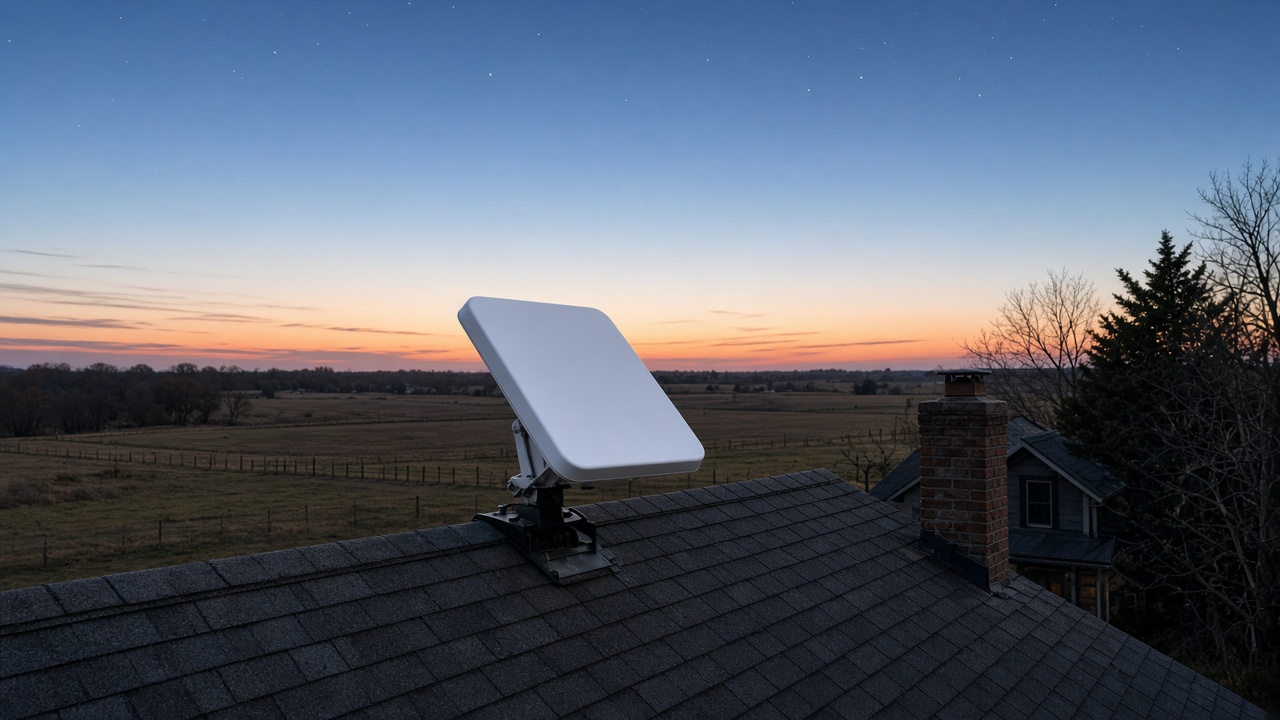
Starlink keeps adding customers faster than ever. SpaceX reported 13.6 million Starlink consumer subscribers as of September 30, 2026, up from 12.0 million three months earlier and 7.2 million a year before. More users can mean slower evening speeds in crowded areas, but satellite launches are adding capacity too. Whether your service slows down depends mostly on how busy your local coverage cell is.
The numbers from SpaceX's Q3 2026 report
| Metric | Q3 2026 | Q2 2026 | Q3 2025 |
|---|---|---|---|
| Consumer subscribers | 13.6 million | 12.0 million | 7.2 million |
| Average revenue per consumer user | $69/mo | $66/mo | $83/mo |
| Connectivity revenue | $5.25 billion | $4.29 billion | $3.10 billion |
SpaceX's total quarterly revenue rose 161% from a year earlier to about $14.6 billion. Most of that jump came from its AI business, while Starlink connectivity revenue grew 69%. The lower reported average revenue per user does not by itself establish which plans or markets drove the change.
Why more users can slow some areas
Each satellite beam serves a patch of ground called a cell, and everyone in that cell shares its capacity. When a cell fills up, evening speeds can drop. Starlink manages this by marking busy areas as sold out or limited, adding a one-time demand charge in some places, or offering lower-priority plans with capped speeds. If speeds have dipped for you lately, our guide on why Starlink has been slow explains what to check.
Is Starlink limited where you live?
Compare satellite and other options at your address.
What new satellites change
SpaceX says its next-generation V3 satellites are designed to add capacity; launches and local network conditions determine when customers see a benefit. See how many Starlink satellites are in orbit and what V3 satellites mean for home internet. Additional capacity does not guarantee an immediate speed increase for any particular address.
What to do if your area is congested
- Check Starlink's availability map for your address before you order; a sold-out or waitlist label means a busy cell.
- Pick a plan tier based on how much you need priority at peak hours.
- Run speed tests in the morning and the evening to see if slowdowns follow peak times.
- Compare other options at your address before you commit.
Alternatives if Starlink is full
In rural areas with no cable or fiber, satellite is the usual fallback. Starlink uses low-Earth-orbit satellites and may be an option where wired service is unavailable. Viasat customers who order through RSINC are guaranteed at least 80 Mbps down and 3-5 Mbps up. Hughesnet may be another option, subject to address and installation eligibility.
Our Starlink alternatives guide also covers 5G home internet and fiber, which may reach you even if you live outside town.
Compare satellite and home internet by ZIP
Enter your ZIP to compare listed providers; confirm availability at your address.